
Last updated November 16, 2026
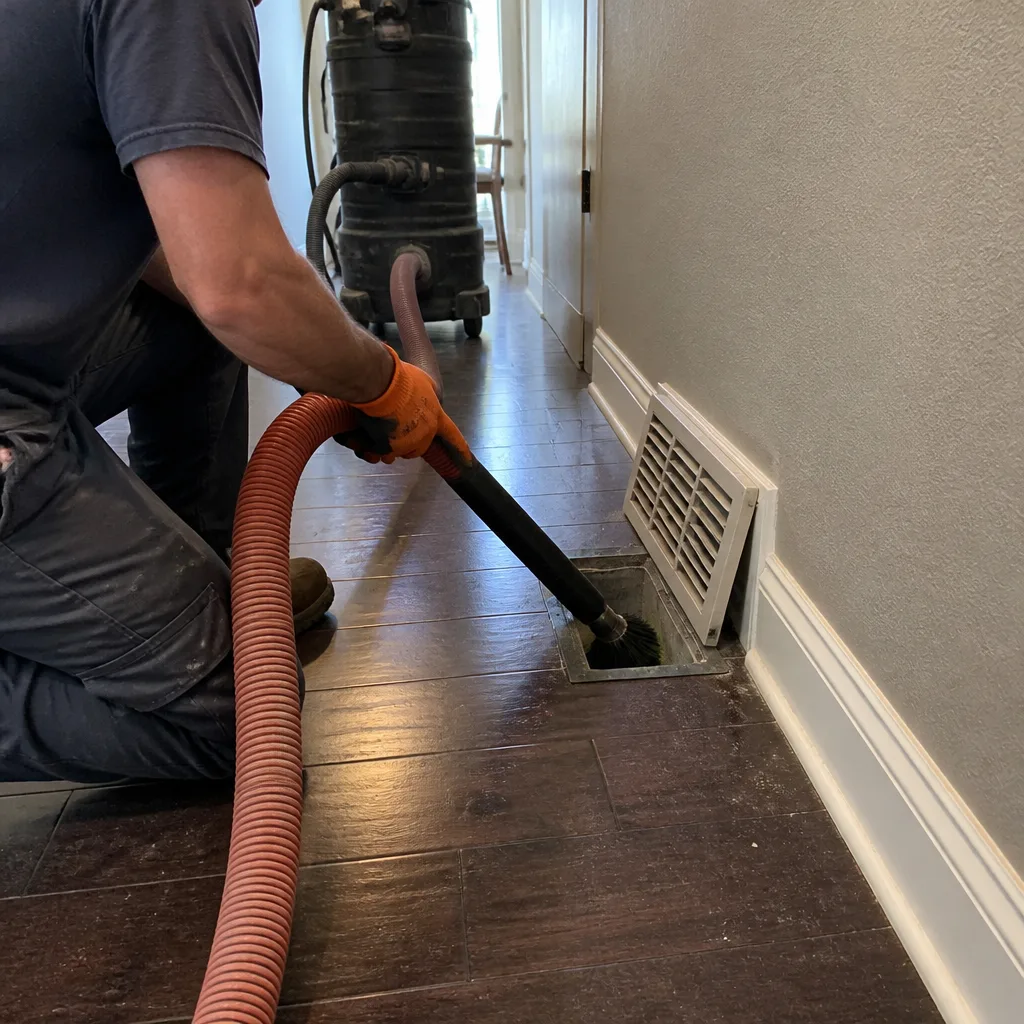
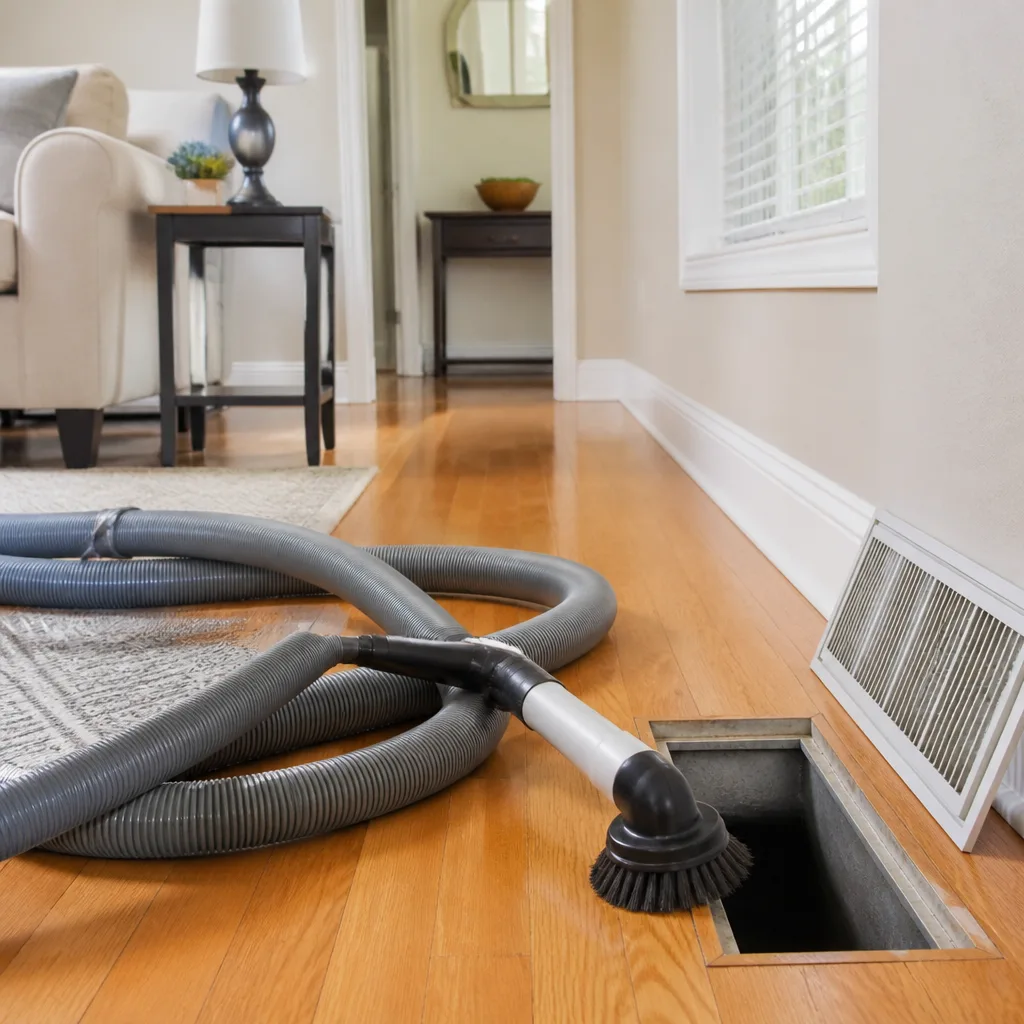 Whole-home duct cleaning
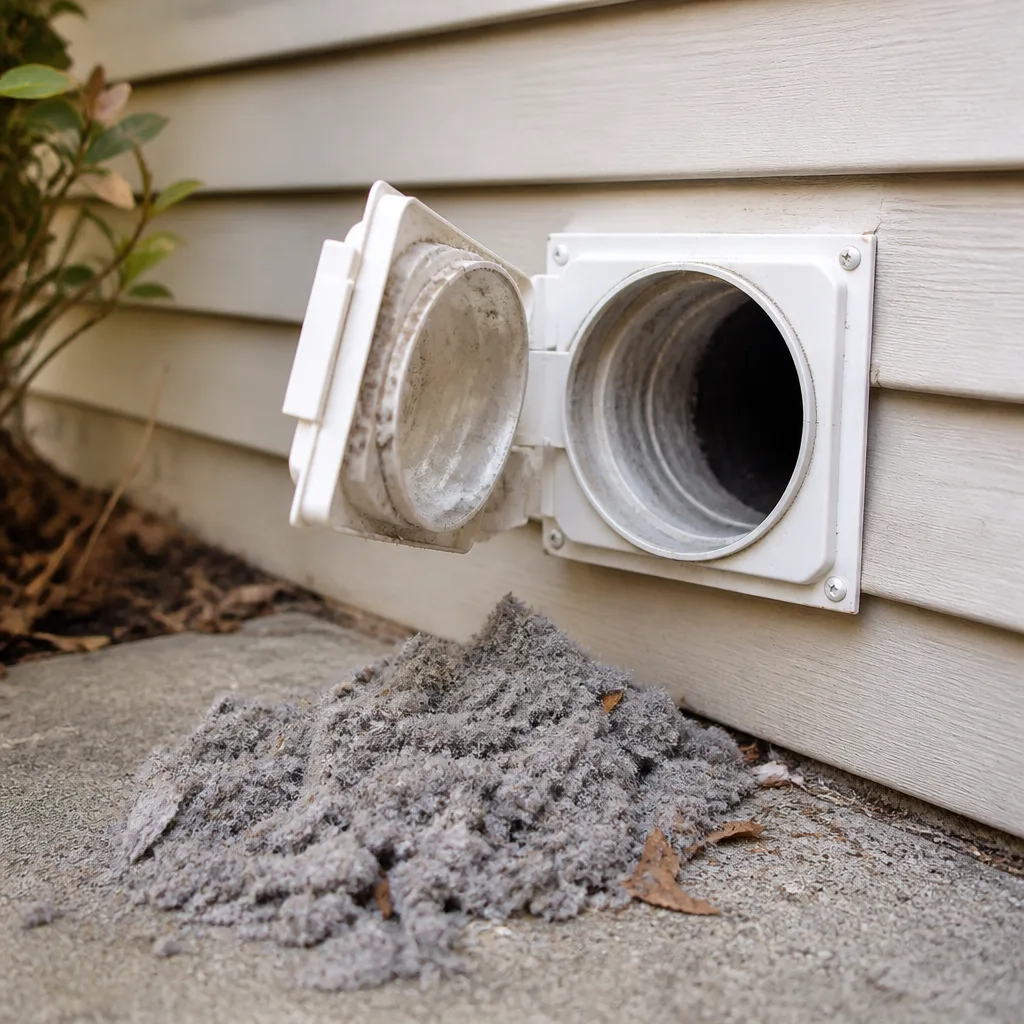 Dryer vent cleaning
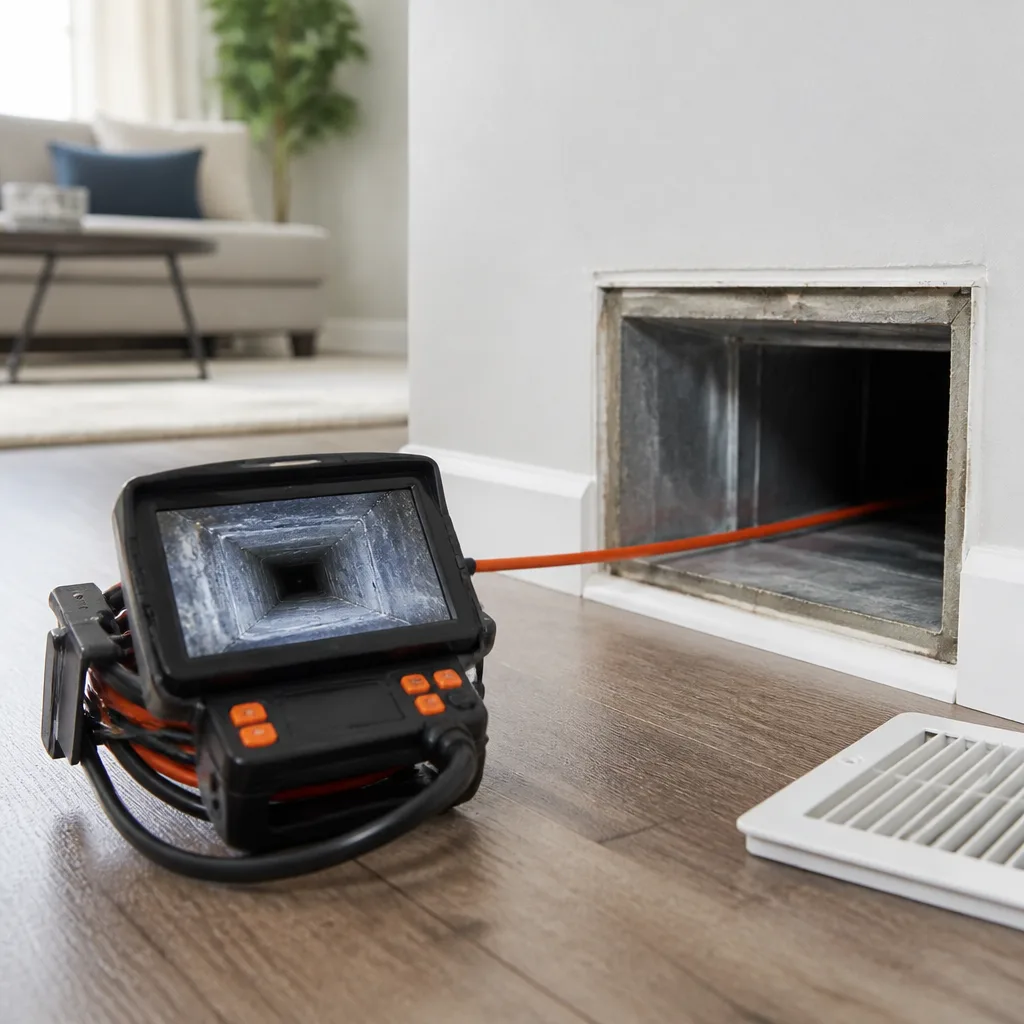 Camera inspection
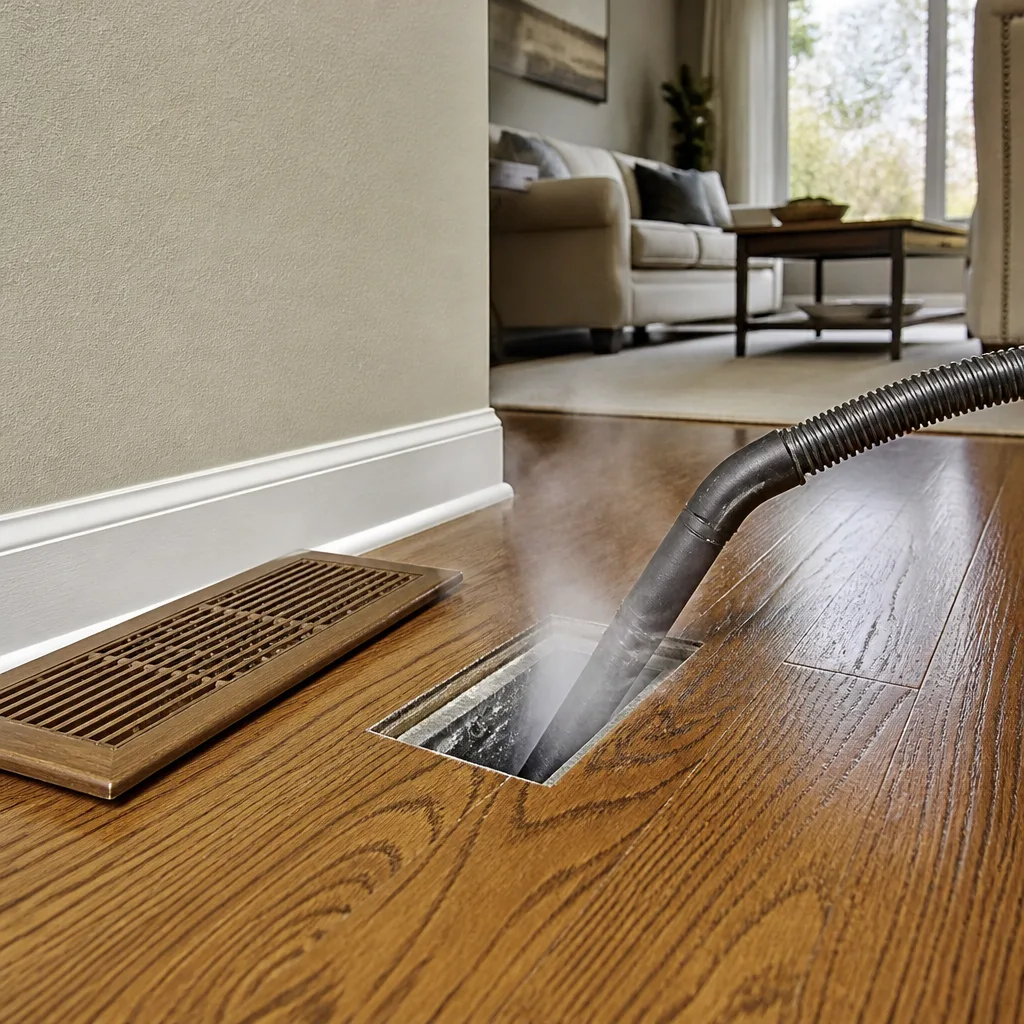 Sanitizing & deodorizing
Whole-system duct and dryer vent check with before-and-after photos - you see exactly what came out of your vents
That "$99 whole-house special" is a bait ad - the real number appears once they are in your hallway, or the "clean" is a shop-vac at the register. We photograph the inside of your ducts before and after instead.
How to Hire an Air Duct Cleaning Contractor in Riverview: A Step-by-Step Guide
Most people hire a duct cleaner the way they hire a locksmith: something breaks, they search fast, and they pick whoever answers first and quotes lowest. That reflex is exactly what the worst operators in this trade are counting on. Duct cleaning has one of the lowest barriers to entry of any home service – a shop vacuum, a van, and a made-up company name is enough to be “in business” in Florida. The U.S. Environmental Protection Agency has openly warned homeowners that duct cleaning is a service prone to fraud and unnecessary upselling, and Hillsborough County doesn’t issue a duct-cleaning-specific license, so nobody’s checking credentials at the door before you let them in. What separates a real specialist from an opportunist is the equipment they own and the process they can explain. This guide gives you the exact questions – and the exact answers you should expect – to tell them apart before you hand anyone a deposit.
Quick Answer
To hire a legitimate air duct cleaning contractor in Riverview, ask three questions before you book: what equipment they use (a real contractor will name their system, not just say “a truck”), what their pre-work inspection involves, and whether they document before-and-after with photos of your actual ducts. A whole-system quote for well under $150 is almost always a bait-and-switch or a blow-and-go non-service. If a contractor can describe Rotobrush, Nikro, or Abatement Technologies equipment and how they use it on your home, you’re likely dealing with a specialist. If they get vague or defensive, keep looking.
Styles & brands we work with
- Whole-home duct cleaning
- Dryer vent cleaning
- Camera inspection
- Sanitizing & deodorizing
Table of Contents
- Why hiring an air duct cleaner in Riverview is harder than it should be
- The equipment questions to ask – and the names to listen for
- NADCA membership vs. NADCA-aligned standards: what the difference means for your quote
- Pricing red flags: what a suspiciously low quote really tells you
- What a legitimate pre-work inspection should include
- How to verify before-and-after documentation
- Step-by-step: vetting a contractor from first call to final walkthrough
- Common mistakes to avoid
- When to call a professional
- Frequently asked questions
Why hiring an air duct cleaner in Riverview is harder than it should be
Riverview has grown fast, and growth attracts two kinds of contractors: the ones who invested in real equipment and training, and the ones who saw a market with no licensing wall and a steady stream of new homeowners who don’t yet know who to trust. Both will show up at your door with a business card. Only one of them spent five figures on duct-specific equipment before taking their first job.
Here’s the uncomfortable truth about this trade: blowing air through a duct and calling it “cleaning” is easy. Anyone with a shop vacuum, a compressor, and a fogging machine can make a system look busy for an hour and leave with your money. What they can’t do without genuine equipment is mechanically agitate the duct walls, pull the loosened debris into a sealed negative-air system, and capture it through HEPA filtration so it doesn’t just redistribute into your living room. That difference – agitation and capture versus a glorified leaf blower – is the entire ballgame. It’s also invisible if you don’t know what to ask.
Hillsborough County doesn’t require a duct-cleaning-specific license, which means a contractor’s accountability rests entirely on the equipment they own and the process they can describe. That’s why this guide is framed as a vetting interrogation rather than a checklist of pleasantries. When you call a company in Riverview, you’re not interviewing a friendly voice – you’re determining whether they own the machines that do the actual work. Our own answer to that question involves duct cleaning in Riverview built around Rotobrush rotary-contact extraction, Nikro negative-air units, and Abatement Technologies scrubbers, and we’re happy to describe how each is used. A legitimate contractor will be too.
The equipment questions to ask – and the names to listen for
The single most reliable way to separate specialists from opportunists is to ask what equipment they use – specifically. A real contractor won’t hesitate, because their equipment is the thing they’re proudest of. An opportunist will pivot to price, deflect with vague phrases like “professional-grade tools,” or get defensive that you’re questioning them at all.
Listen for these three names. Not every legitimate contractor owns all three, but a real specialist will recognize them and describe how they’re used:
- Rotobrush – a rotary-brush extraction system. Instead of relying on air pressure alone, it feeds a spinning brush through the duct to physically scrub the walls, with a vacuum pulling the dislodged debris into a collection system at the same time. This is the industry benchmark for mechanical contact cleaning, and it’s purpose-built for residential ductwork.
- Nikro – negative-air and HEPA-filtration units. These create a pressure differential that pulls air (and contaminants) toward the vacuum rather than pushing them into your rooms. The same equipment class shows up in professional mold and restoration work.
- Abatement Technologies – air scrubbers used in remediation settings, deployed here to filter the air during and after cleaning rather than just moving it around.
If a contractor uses a truck-mounted blower and nothing else, ask one more question: “Does that system mechanically agitate the duct walls, or does it just push air?” A truck-mount blower can move volume, but it doesn’t scrub. If the answer involves fogging the system or spraying a sanitizer to “kill” what’s in there without removing the physical debris first, that’s a sales tactic, not a cleaning method. Ask them to walk you through the whole process on your specific system, and notice whether you get specifics or a pitch. Our own process – the one behind the full scope of air duct cleaning we offer in Riverview – is built to be explained, and any contractor worth hiring should feel the same.
What a vague answer sounds like
“Oh, we’ve got all the professional stuff – truck-mounted, state-of-the-art. Don’t worry, we’ll take care of it.” That’s not an answer. It’s a deflection. When you hear it, ask again, plainly: “What’s the brand and model of the machine you’ll run in my house, and how does it clean the duct walls?” You’re entitled to know before anyone walks in.
NADCA membership vs. NADCA-aligned standards: what the difference means for your quote
NADCA – the National Air Duct Cleaners Association – publishes the industry’s accepted standard for assessing and cleaning HVAC systems, and it’s the reference point any competent contractor should be working from. But there’s a real difference between saying “we follow NADCA standards” and being an actual NADCA member, and you should understand which one you’re being sold.
NADCA membership means a company has joined the association, agreed to its code of ethics, and – depending on their membership level – may hold certifications for individual technicians who’ve passed NADCA’s Air Systems Cleaning Specialist exam. Membership is a verified status: you can check it on NADCA’s own database. “NADCA-aligned” is looser language. It can mean a company genuinely follows NADCA’s methods and equipment expectations without paying for membership, or it can mean a marketing phrase slapped on a website.
Here’s how to navigate the distinction when you’re comparing quotes in Riverview:
- Ask directly: “Are you a NADCA member, and can I verify it?” A real member won’t mind you checking.
- If they say they’re “NADCA-aligned,” ask what that means in practice – which methods, which equipment, and whether their technicians have any formal certification.
- Ask whether they use the association’s equipment and process standards even if they aren’t dues-paying members. Some good specialists run NADCA-aligned methods without the badge, and that’s a legitimate answer.
The label matters less than what sits behind it. A contractor who can explain NADCA’s standard of care – mechanical agitation, source removal, negative-air containment, documented verification – is likely doing real work regardless of membership status. A contractor who drops “NADCA” without being able to explain a single thing it requires is using the acronym as decoration. Our own clients in Riverview get a process we’re happy to walk through step by step, because we work to NADCA-aligned standards and can explain each one – which is the honest version of the “Riverview” specialist you actually want.
Pricing red flags: what a suspiciously low quote really tells you
A whole-home duct cleaning quote under $150 almost always signals one of two things: a bait-and-switch where the technician “discovers” problems on site and the invoice jumps, or a blow-and-go non-service where air is pushed around for twenty minutes and nobody touches a brush to the duct walls. Neither is a bargain. Both can leave you with the same dust you started with.
Realistically, a legitimate whole-system cleaning – with agitation equipment, negative-air capture, and documentation – requires a crew, an hour or more of real work, and thousands of dollars of equipment. The price has to reflect that. Be deeply suspicious of:
- Coupon prices with asterisks. A “$49 whole house” ad usually has fine print that limits the price to a small number of vents, with per-vent pricing that balloons once they’re on site. Ask up front whether the quote is a whole-system flat price or a per-vent charge.
- Add-ons discovered mid-job. A rep who suddenly finds “mold” or “damage” and quotes an emergency treatment on the spot is running a script. Legitimate issues should appear in the pre-work inspection and the written estimate – never as a surprise invoice.
- Sanitizer upsells on a first visit. If a company can’t clean without immediately spraying a sanitizer you never asked about, the sanitizer is the business model, not the cleaning.
- Per-vent quotes with no whole-system ceiling. Ask for a flat price for the entire system before anyone starts, and confirm it’s in writing.
When you’re getting quotes in Riverview, ask for the written estimate to state plainly what will be cleaned, what equipment will be used, and what the final price is. Cheaper quotes are cheaper for a reason – usually because they aren’t doing the work.
A quick filter for the first phone call
When you call, listen for whether the person on the other end asks you anything about your home first – the number of returns, how many systems, what problem you’re trying to solve. A company that quotes a firm whole-home price before asking a single question about your house isn’t cleaning your system. They’re booking a truck.
What a legitimate pre-work inspection should include
A competent contractor inspects the system before quoting the job, every time. The inspection is the diagnosis, and skipping it means the estimate is a guess. In a Riverview home, that inspection should take real time – a quick glance doesn’t count. Expect it to involve the following, and note when any of it gets skipped.
- Visual walkthrough of the duct runs. At minimum, the contractor should look at accessible duct sections, the supply and return registers, and the air handler location – and note visible dust, debris, or disconnected joints.
- Checking the air handler and blower compartment. A system whose air handler is packed with dust and debris isn’t clean, even if the runs were vacuumed. A real inspection looks at the blower and evaporator coil area.
- Assessing return and register conditions. Rust, condensation, or loose seals matter. These come up in Riverview homes where the system runs hard through long humid stretches, and they affect the cleaning plan.
- A short camera inspection where it’s warranted. If there’s restricted access, hidden flex runs, or signs of damage, a camera can confirm what’s inside without cutting into the ductwork.
- A written, itemized estimate – whole-system and flat. By the time the inspection is done, you should know exactly what’s being cleaned, how, with what equipment, and what it costs.
Ask how long the inspection will take. A serious contractor will tell you it depends on the home, but a real inspection in a standard single-family house is measured in a visit, not a minute at the door. Anyone who quotes a whole-home price on the phone without knowing anything about your house is quoting a template, and the invoice will look nothing like the template. When the estimate is free and the inspection is real, you have nothing to lose by asking the contractor to walk you through the findings. Our air duct cleaning reservations in Riverview work that way – an inspection first, then a written flat price per system, then the work.
How to verify before-and-after documentation
Duct cleaning happens out of sight. You literally cannot see the inside of your ducts from where you’re standing, which makes before-and-after documentation the only objective proof you have that the work happened. A legitimate contractor expects you to want it. A blow-and-go operator counts on you not asking.
Here’s what real documentation looks like:
- Photos of your actual ducts, not stock images from a brochure. Before photos should show visible debris; after photos should show clean duct walls at the same angle and locations.
- Register-by-register shots, ideally labeled by room, so you can match each photo to a specific vent.
- Video inspection footage where the system allows it – a camera run through the ducts gives you a far more convincing record than a photograph alone.
- A post-cleaning report noting what was cleaned, what was found and addressed, what equipment was used, and any repair recommendations.
- Updated photos after any repair work, so the record stays current if repairs were part of the job.
Ask before booking whether the contractor provides this documentation, and see a sample if you can. A company that says “we’ll text you pictures” is likely doing something, but a company that hands you a labeled before-and-after record for every register is doing the job properly. The photos are also your defense if dust settles back into the system weeks later – you’ll have a record of what was cleaned and when, and you’ll know whether a follow-up reflects new debris or missed work. Our clients in Riverview get before-and-after photos of their own ducts because that’s the only way to verify a job that happens out of sight.
Step-by-step: vetting a contractor from first call to final walkthrough
Here’s the whole process in one sequence. Use this as your working checklist through the vetting, and each step tells you what to listen for and what should trigger caution.
- Make the first call and notice the questions. The receptionist or estimator should ask about your home before quoting anything. What’s the problem you’re solving? How many systems? Any pets, recent renovations, or moisture issues? Vague answers to simple questions are a warning sign.
- Ask for equipment names. “What equipment will you run in my house?” Listen for Rotobrush, Nikro, Abatement Technologies, or a specific, explainable alternative. Vague phrasing is the red flag.
- Ask about NADCA standard compliance. Do they follow NADCA-aligned methods? Are they members? Can you verify? Note whether they answer with substance or with acronym name-dropping.
- Ask for a whole-system flat price in writing. Not per-vent pricing. Not a coupon price with fine print. A flat price for the entire system, tied to the written estimate, before any work starts.
- Book the inspection. Let them see the system. A serious contractor will spend real time on it and tell you what they find. This is where surprises are supposed to surface – not mid-job.
- Review the written estimate before work begins. Confirm the scope: what’s cleaned, what equipment is used, what’s covered, what the final price is. Compare the written document to what you were told on the phone.
- Confirm documentation before the technician arrives. Before-and-after photos of your ducts, register by register, plus a post-cleaning report. Get agreement on this up front.
- Walk through the results at the end. Look at the photos, match them to your registers, ask questions about what was found, and confirm the invoice matches the written estimate before you pay.
Each step is designed to test the same thing from a different angle: whether the person across the counter treats the work as a process or a sales pitch. A specialist will move through every step comfortably. An opportunist will get fidgety by step two. The whole process is designed to catch the difference before any money changes hands. Vetting a contractor in Riverview this way takes about the same time as one afternoon at an open house, and it’s the difference between clean ducts and a burned afternoon.
Common mistakes to avoid
- Booking the cheapest price you can find. A quote that undercuts every legitimate local price by hundreds of dollars isn’t a deal – it’s a sign the work will be minimal or the invoice will balloon. Ask what’s actually included in the price before booking anything.
- Not asking for equipment names. “Professional equipment” is not an answer. If the contractor can’t name the system in the first conversation, you don’t know what’s coming to your home.
- Skimping on the pre-work inspection. A contractor who quotes a whole-home price over the phone without seeing the system is guessing. The inspection is where problems are meant to surface, and skipping it means the estimate is fiction.
- Accepting a “sanitizer” upsell as a substitute for cleaning. Spraying a chemical to mask the smell of dust doesn’t remove the dust. A legitimate job removes debris first; any sanitizer is secondary at most.
- Not requiring before-and-after photos. You’re paying for work you can’t see happening. If nobody documents it, you have no way to verify it. Ask, and get a sample if you can.
- Failing to confirm the written estimate before work starts. Getting a written price per system before anyone touches the ducts is your protection against the mid-job add-on pitch. Don’t let them start without it.
- Forgetting dryer vent cleaning. Ducts in a Florida home aren’t the only fire-risk issue. Dryer vents are a separate diagnostic and safety priority, and a duct specialist who also handles dryer vent cleaning saves you a second contractor call.
Every item on this list traces back to the same underlying problem: this trade has no licensing barrier, so accountability has to come from your questions. When you’re vetting contractors in Riverview, don’t be polite about it – ask the questions directly, and expect real answers.
When to call a professional
Duct cleaning isn’t a task most people need on a calendar – it’s a job you call for when something tells you the system needs it. Call a professional when you’re seeing dust settle on surfaces right after you’ve cleaned, when visible dust streaks show up at the supply registers, when a musty or stale smell returns whenever the system runs, when you’ve just finished a renovation and drywall dust has been pulled through the returns, or when someone in the home has unexplained respiratory irritation that gets worse when the HVAC runs. Call when you’re moving into a previously occupied Riverview home and don’t know its cleaning history. Call when the dryer is taking noticeably longer to dry a load, which is often a lint-clogged vent rather than a dryer problem. And call a licensed electrician for anything involving the panel or wiring – never open it yourself. Duct Cleaning Riverview offers free estimates in Riverview. Call (866) 293-1514. We answer 24/7. Fast dispatch from 7am to 7pm, Sunday through Friday.
Frequently Asked Questions
It varies by home size and system condition, and a serious contractor quotes a flat price per system after inspecting your home, not over the phone. What you can count on: a legitimate whole-system cleaning is not a $99 transaction, and any quote far below the local market for real work should make you ask what’s included. The written estimate from a real inspection sets the final price. Call (866) 293-1514 for an exact quote – estimates are free.
Cheaper quotes usually cut the work: fewer registers cleaned, no mechanical agitation, no negative-air capture, and no before-and-after documentation. Some are bait-and-switch, where the low advertised figure becomes a much larger invoice once the technician is in your home. Ask for a flat whole-system price in writing before booking, and compare what each quote actually includes. Call (866) 293-1514 to talk through what a real cleaning on your home involves.
Require before-and-after photos of your own ducts, register by register, plus a post-cleaning report that lists what was cleaned and what equipment was used. Video inspection footage is even stronger where the system allows it. If a contractor won’t commit to documentation before the appointment, that tells you something. We provide before-and-after photos of your own system as standard. Call (866) 293-1514 to book an estimate.
There’s no universal schedule – it depends on pets, recent renovations, moisture issues, and how the system has been maintained. Most homes go years between cleanings unless specific problems (renovation dust, musty smells, visible buildup at the registers) come up. If you’re seeing or smelling those issues, that’s your trigger to have the system inspected. Call (866) 293-1514 for a free estimate in Riverview.
No. NADCA membership means a company has joined the association and agreed to its code of ethics, and some memberships include certified technicians who’ve passed NADCA’s Air Systems Cleaning Specialist exam. “NADCA-aligned” is looser – it can mean genuine compliance with NADCA methods or just a marketing phrase. Verify membership directly and ask what “NADCA-aligned” means in practice before you rely on it. Call (866) 293-1514 with any questions about how we work.
Both – dryer vent cleaning is a separate service from duct cleaning and we handle it as a fire-prevention service rather than an upsell. Lint buildup in a dryer vent is a real fire risk, and it’s often missed when a contractor is only set up for air ducts. Call (866) 293-1514 for a free estimate. We also handle dryer vent cleaning on its own if that’s the only issue.
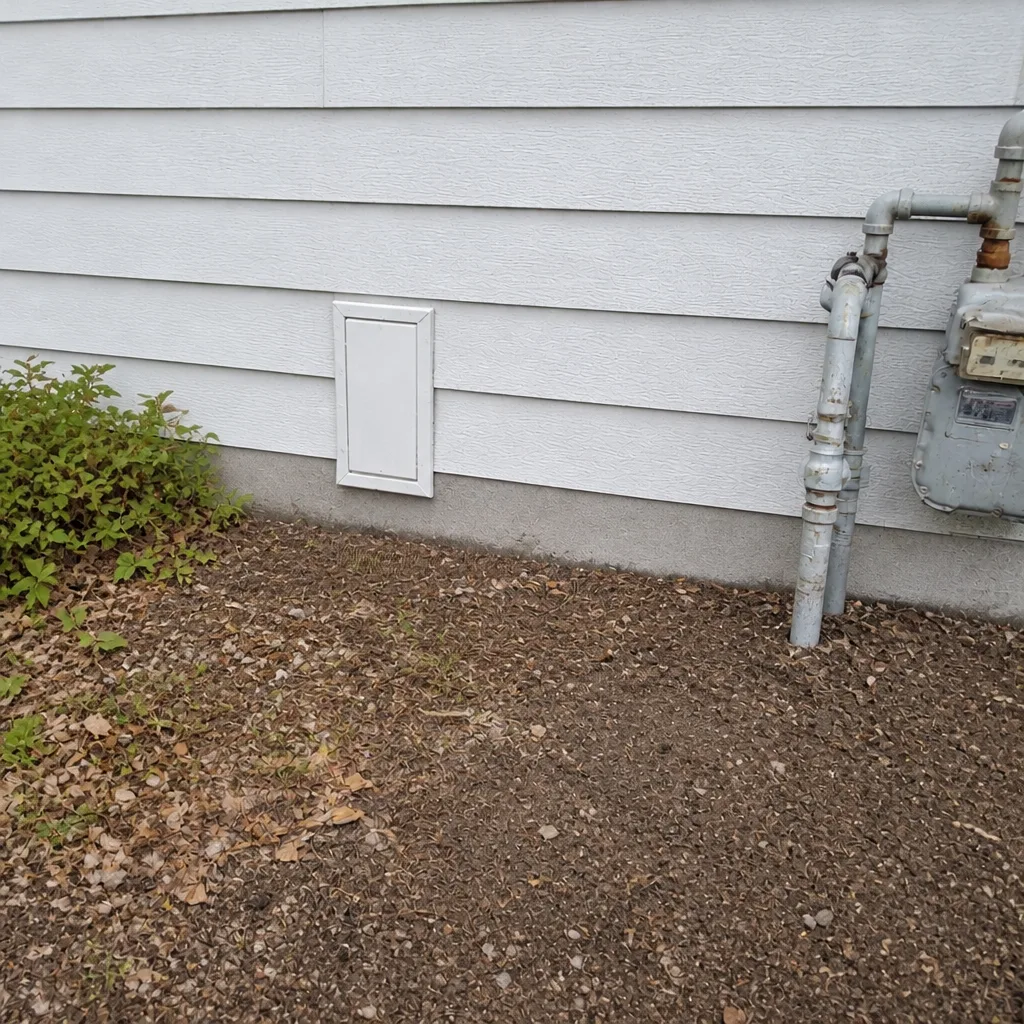
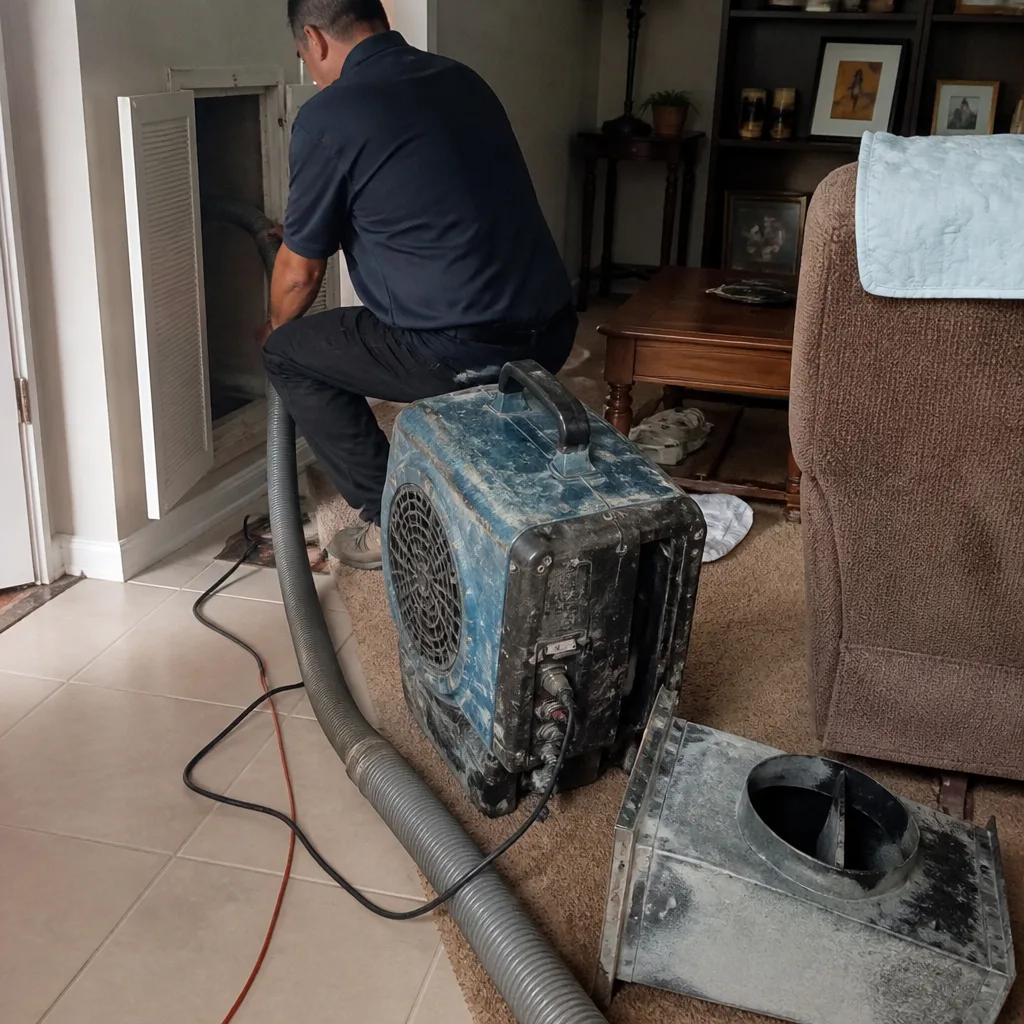
See the difference
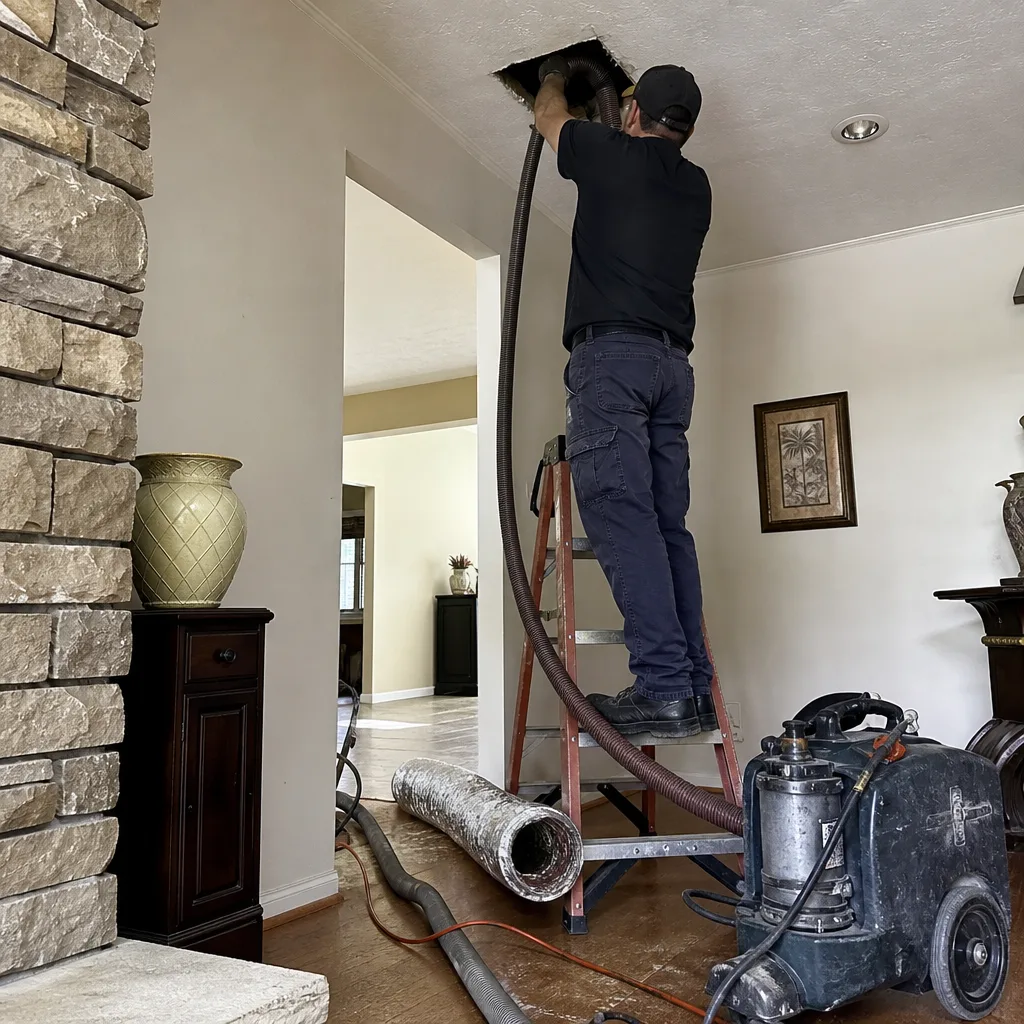 Before
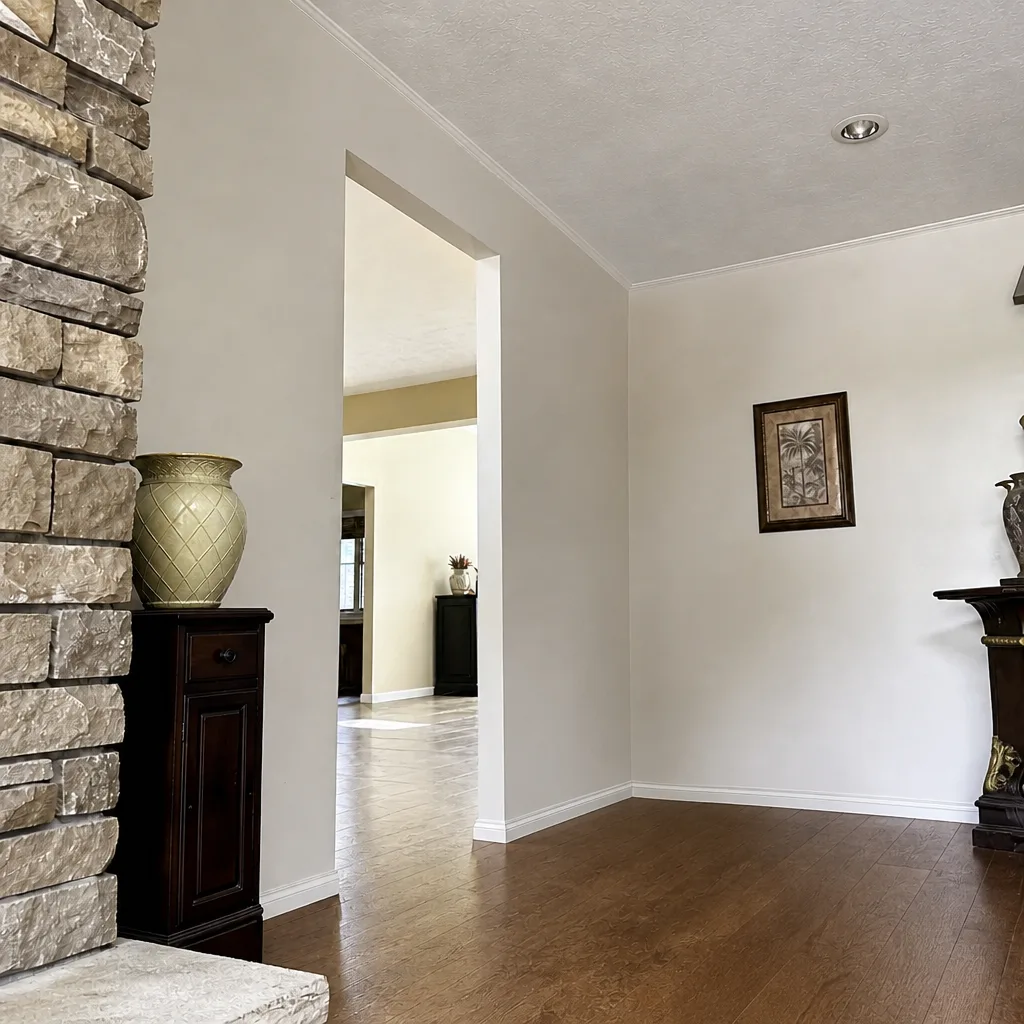 After
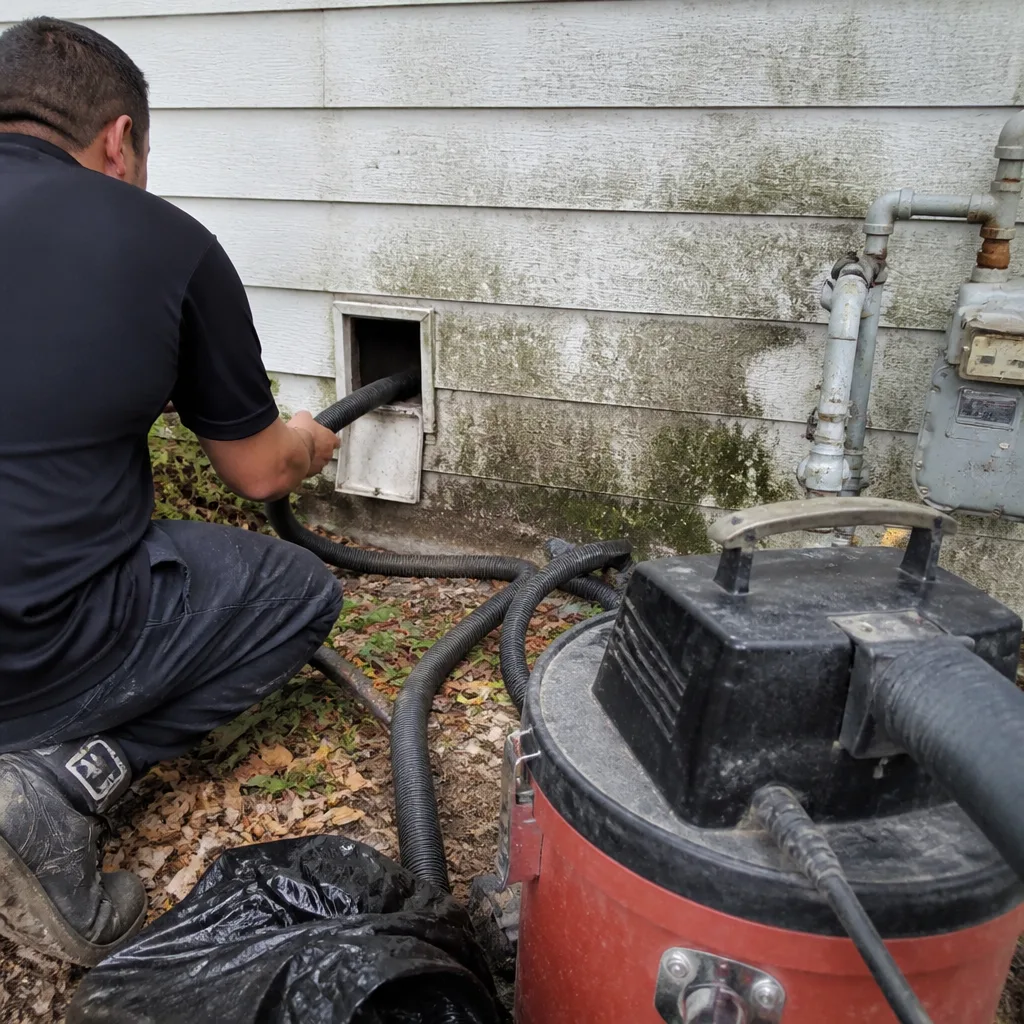 Before
 After
 Before
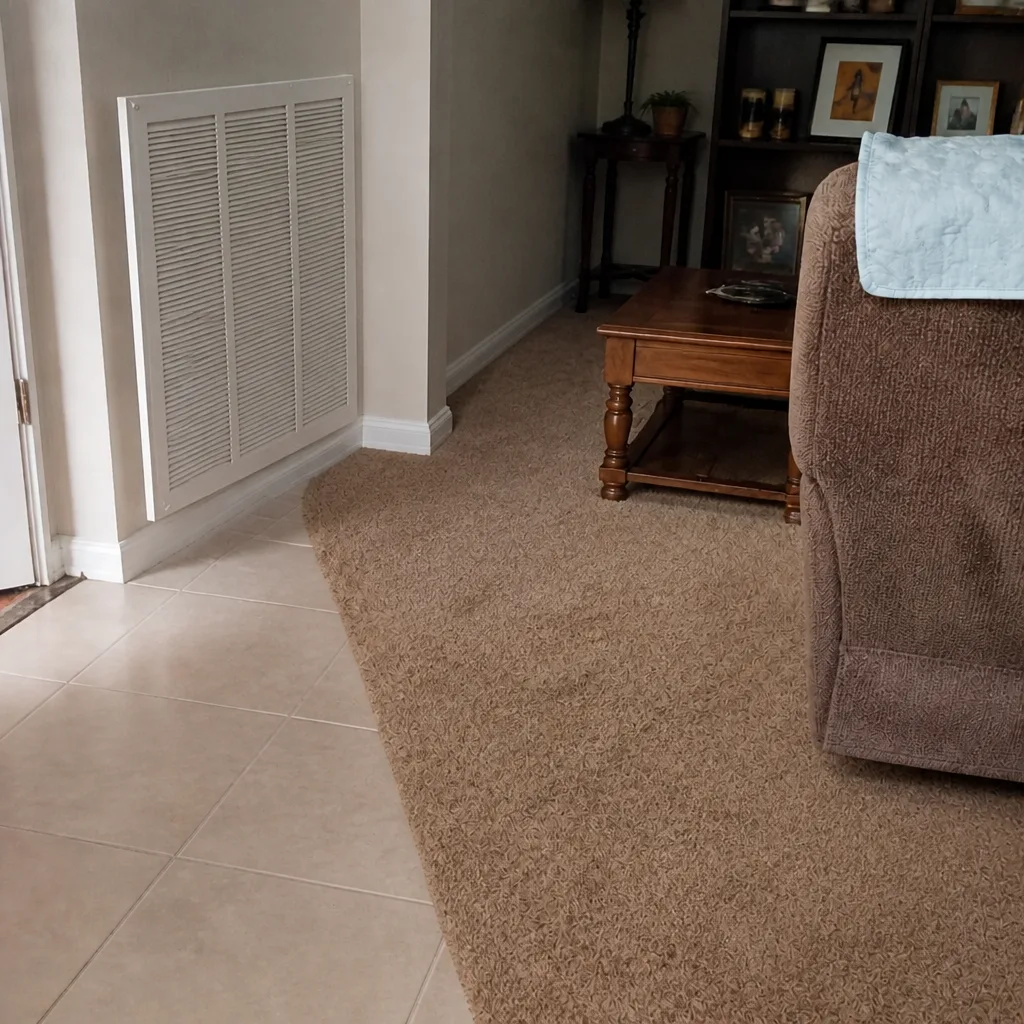 After
The Bottom Line
Duct cleaning is an out-of-sight service with almost no licensing barrier, which means vetting is entirely on you. The questions are simple: What equipment will they run in your home? Can they explain how it works? Do they follow NADCA-aligned methods with real substance behind the acronym? Is the price a flat whole-system number in writing, or a coupon designed to balloon on site? Will they document the work with before-and-after photos of your own ducts? Get straight answers to those five, walk through a real inspection, and you’ll choose well. If the questions make a contractor uncomfortable, that’s the reviewing doing its job. Then let a specialist take it from here.
Contact
If you’ve read this far, you already know more about duct cleaning than most of the contractors who’ll knock on your door. Put that knowledge to work: call us at (866) 293-1514 for a free estimate. We answer 24/7. Fast dispatch from 7am to 7pm, Sunday through Friday. You’ll get an actual inspection, a flat written price per system before any work starts, before-and-after photos of your own ducts, and answers to every equipment question on this list. Our technicians have up to experience, and we work with Rotobrush rotary-brush extraction, Nikro negative-air units, and Abatement Technologies air scrubbers – and we’re happy to explain exactly how each one is used in your home. Cleaner air starts at the source.
Written by the team at Duct Cleaning Riverview.