
Last updated November 16, 2026
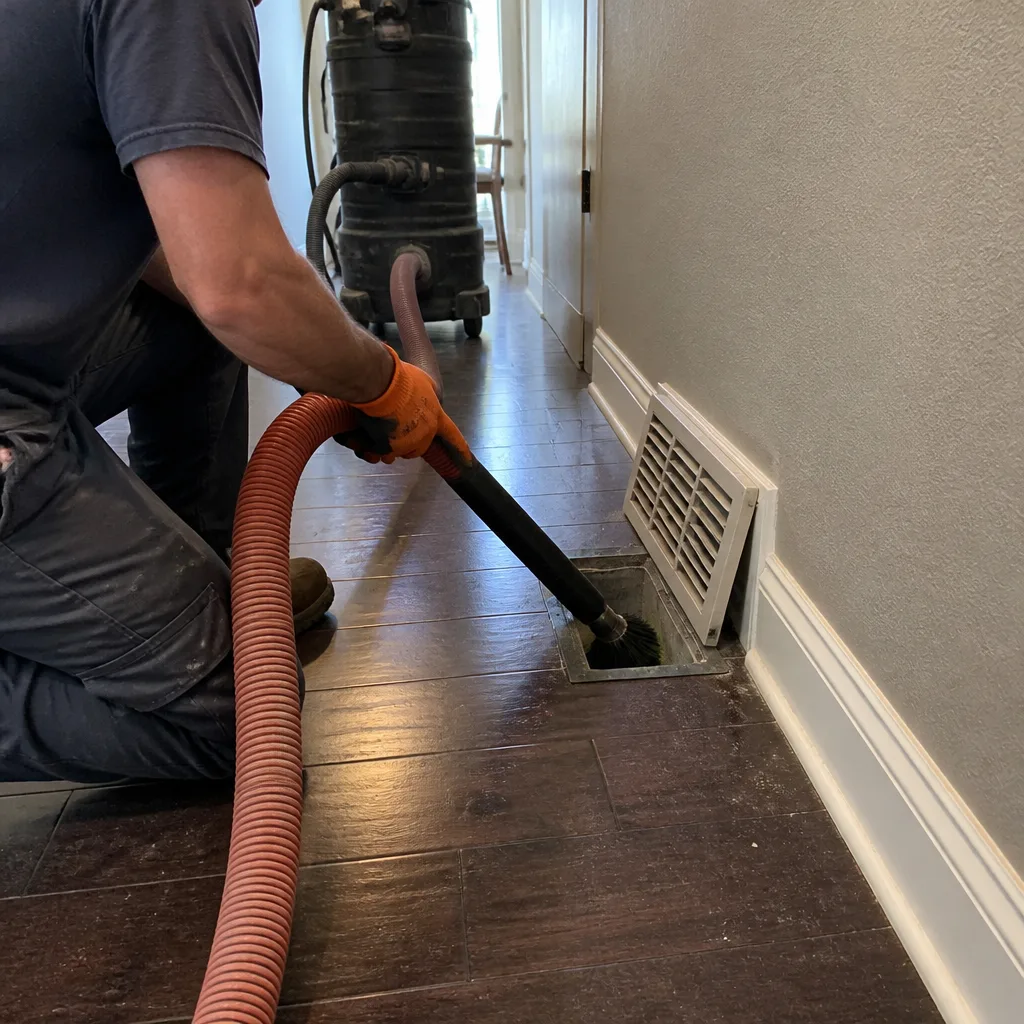
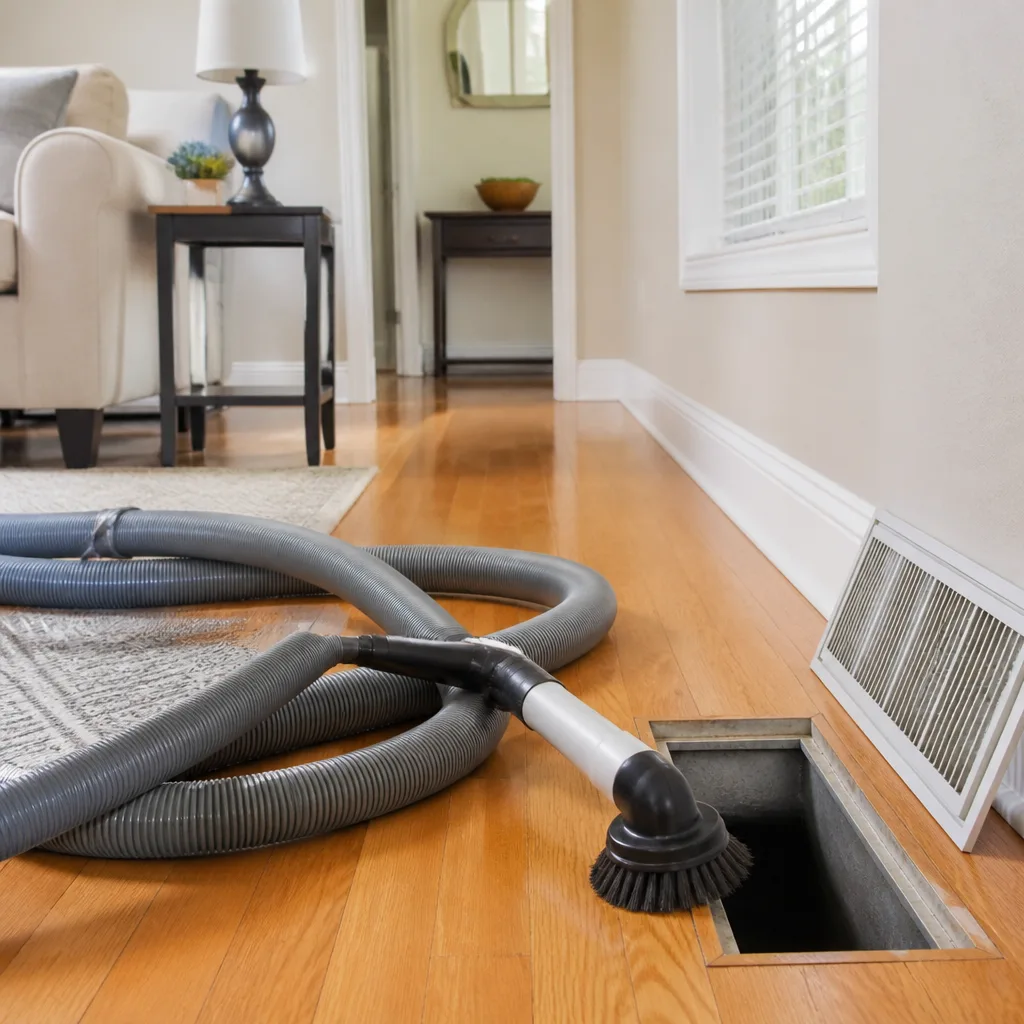 Whole-home duct cleaning
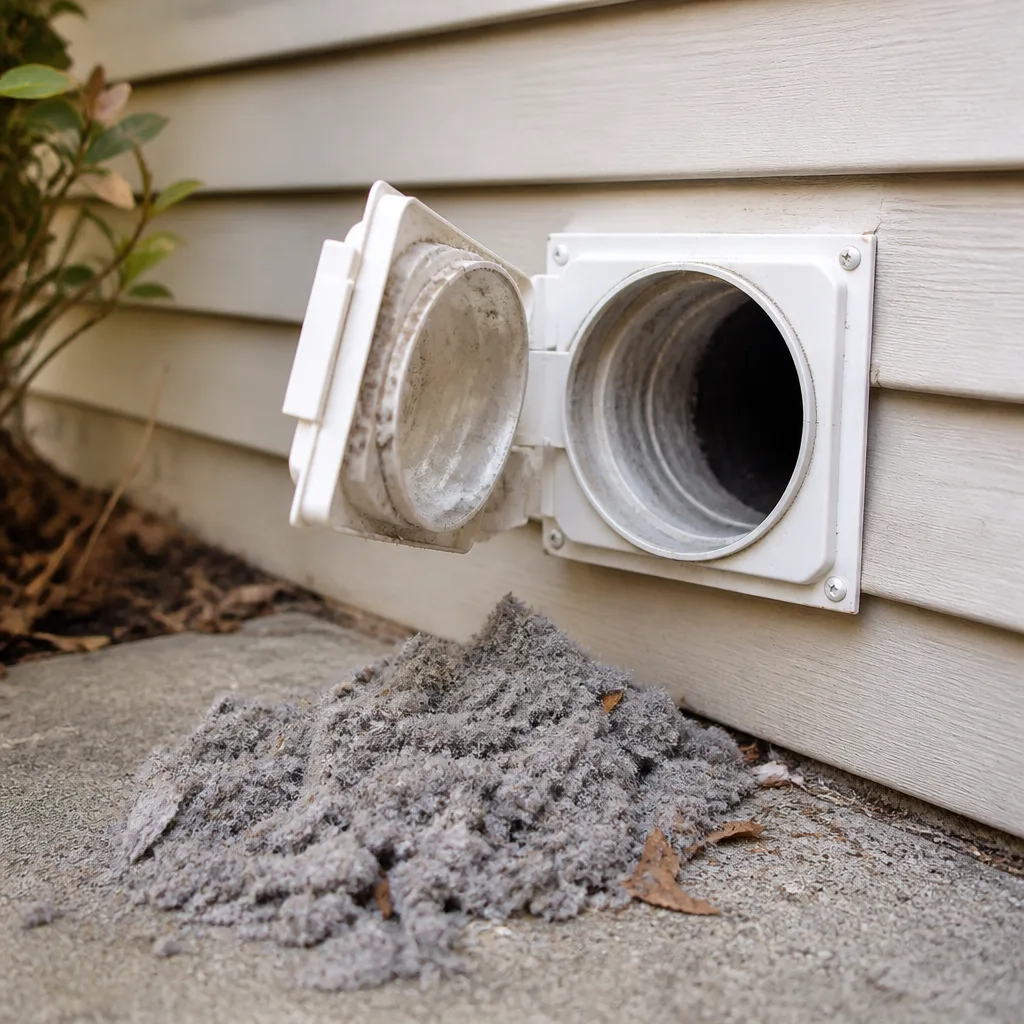 Dryer vent cleaning
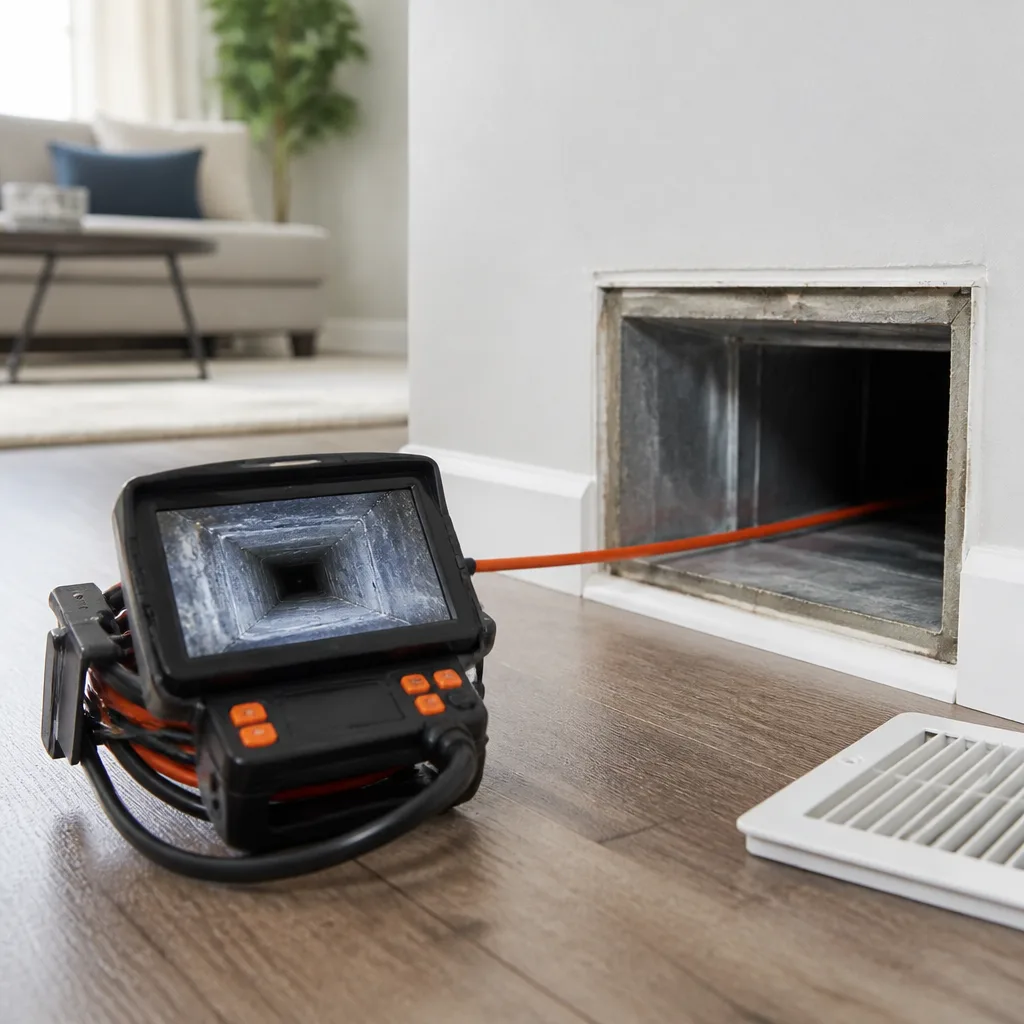 Camera inspection
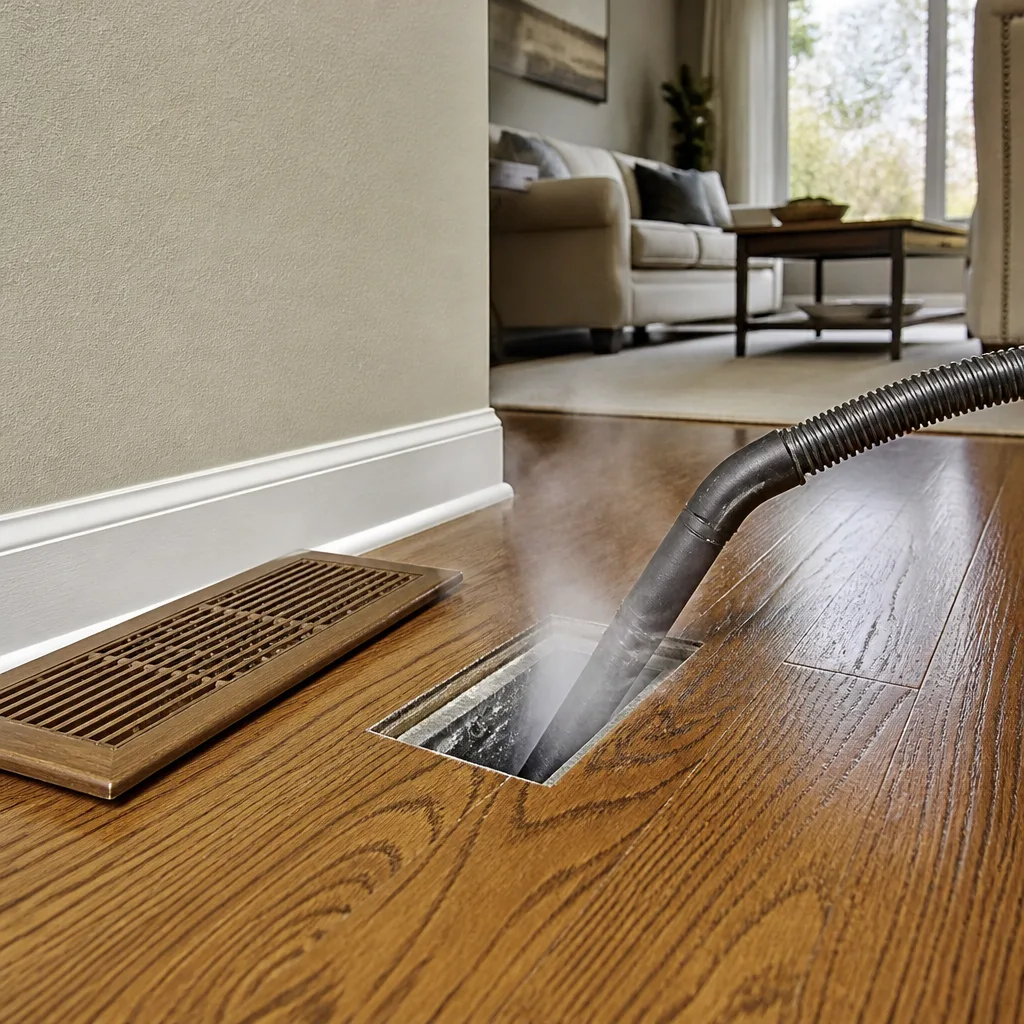 Sanitizing & deodorizing
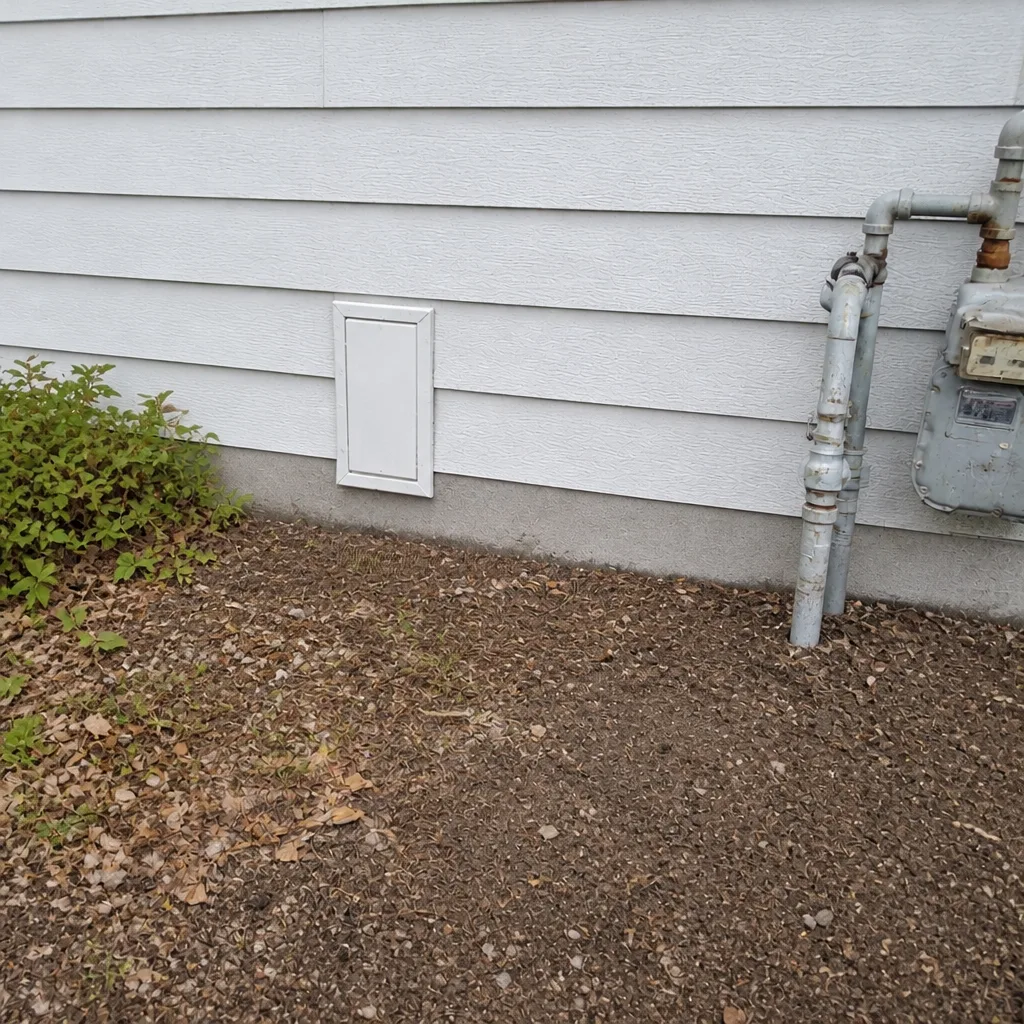
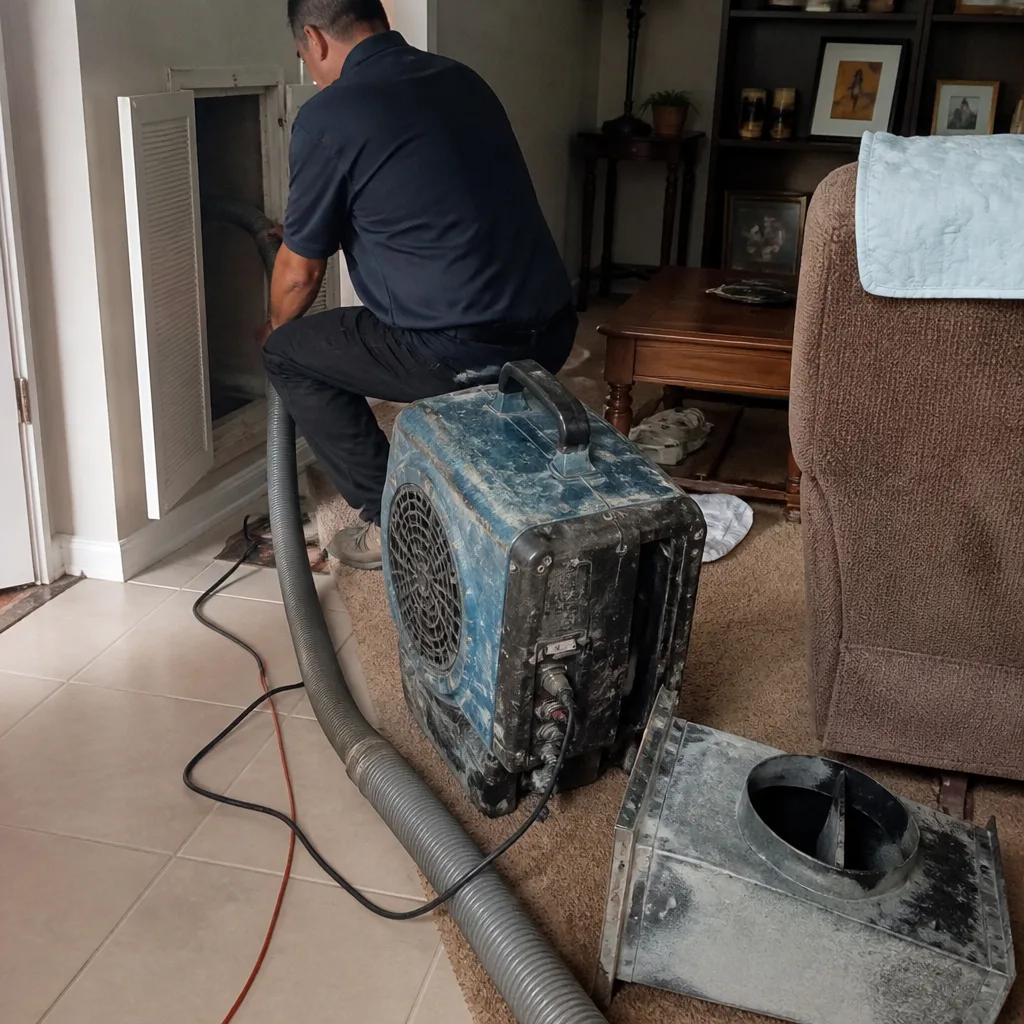
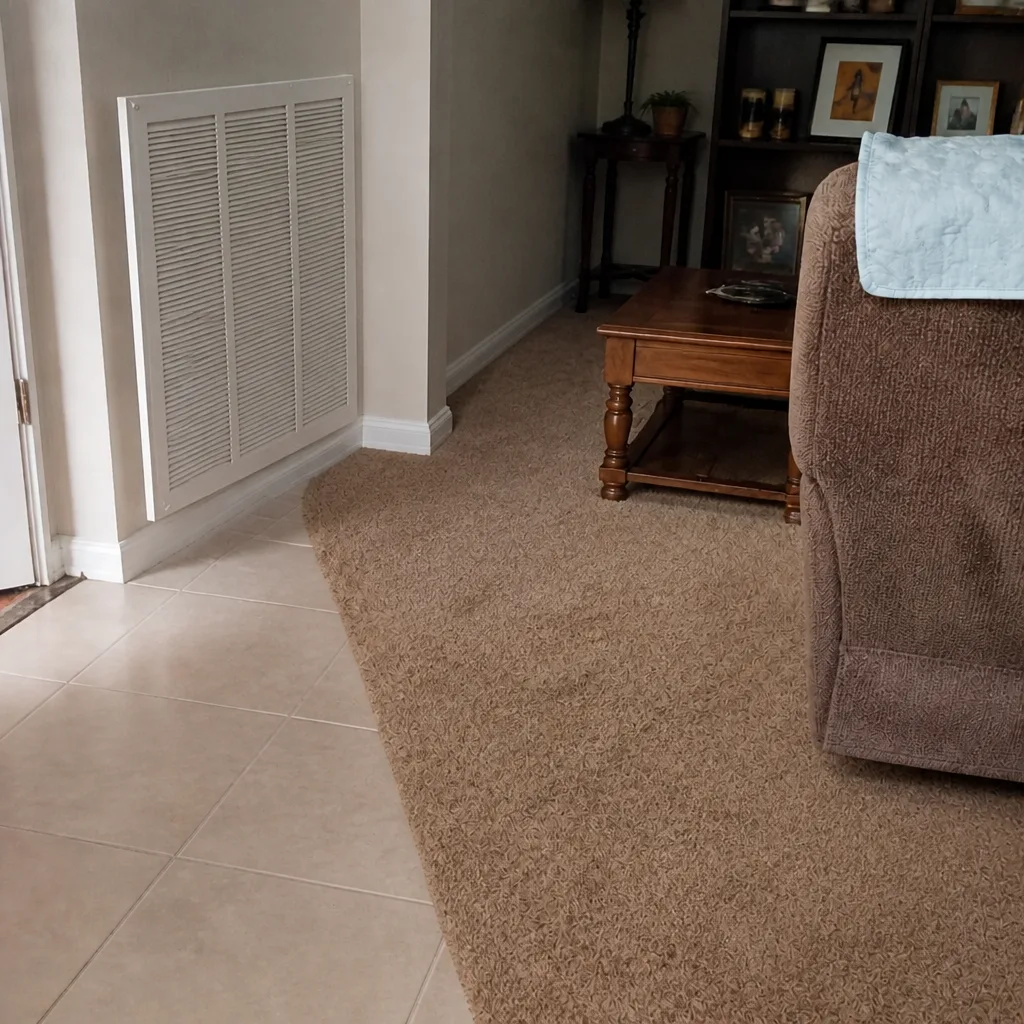
Whole-system duct and dryer vent check with before-and-after photos - you see exactly what came out of your vents
That "$99 whole-house special" is a bait ad - the real number appears once they are in your hallway, or the "clean" is a shop-vac at the register. We photograph the inside of your ducts before and after instead.
Air Duct Cleaning Cost Breakdown: The Riverview Homeowner’s Reference for 2026
Two quotes for the same Riverview house, one at $299 and one at $799, rarely describe the same job. They describe two different scopes of work, two different pieces of equipment, and two different outcomes. The low number usually means air pressure alone and no wall contact. The higher number usually means a rotary brush physically scrubbing the duct interior, negative-air containment, and HEPA filtration running the whole time. That gap is where most homeowner confusion lives. This guide doesn’t just hand you a price range and walk away. It teaches you the cost drivers a technician actually thinks about: square footage, duct count, access difficulty, equipment class, and how contaminated the system really is. By the end, you’ll be able to read any Riverview quote and know exactly what it’s promising.
Quick Answer
Air duct cleaning in Riverview for a typical single-family home generally runs somewhere between $350 and $900, with most jobs landing in the middle. The final number depends on your square footage, the number of vent runs, whether your system uses flex duct or rigid pipe, how hard it is to reach the air handler, and whether the quote includes mechanical agitation and HEPA filtration or just a blower. A written, itemized scope of work matters more than the headline price.
Styles & brands we work with
- Whole-home duct cleaning
- Dryer vent cleaning
- Camera inspection
- Sanitizing & deodorizing
Table of Contents
- The Three Pricing Models You’ll See in Riverview
- What Actually Drives the Cost of a Duct Cleaning
- Why Flex Duct Systems Cost More to Clean Properly
- Mold Remediation Add-Ons: What You’re Really Paying For
- How Equipment Class Changes the Price
- Comparing Quotes Apples-to-Apples
- Duct Repair and Dryer Vent Pricing
- Common Mistakes to Avoid
The Three Pricing Models You’ll See in Riverview
Walk through any neighborhood in Riverview and you’ll get quotes built on one of three frameworks. Knowing which one you’re looking at tells you a lot about how the company operates before anyone knocks on your door.
Per-Vent Pricing
This is the model behind most coupon mailers. The company quotes a low number per vent, then the final invoice tilts upward once the technician is on site counting registers. It squeezes the homeowner in one predictable direction: the more vents you have, the more you pay, and the scope of work is never spelled out in advance. We don’t use it. A per-vent price tells you nothing about how many hours the job will take or what equipment will be running.
Flat-Rate Per System
A single price set before work begins, based on the size and layout of the whole system rather than a headcount of vents. This model protects the homeowner because the estimate is written down and the technician can’t stack on charges once the van is parked. It requires the company to actually inspect the system first, which is a good sign on its own.
Square-Footage Pricing
Least common but legitimate. The company multiplies livable square footage by a rate per square foot, then adjusts for access problems and duct material. It’s transparent but blunt; a 2,000-square-foot Riverview home with a simple trunk-and-branch layout can cost less to clean than a 1,500-square-foot home with a spaghetti of flex runs in the attic.
What Each Model Signals
- Per-vent: often a budget operation running a blower and no brush. Expect a fast in-and-out.
- Flat-rate per system: usually requires a pre-inspection, more detailing in the scope, and a technician who plans the job before arrival.
- Square-footage: fine as a starting rate, but always ask what adjustments apply for flex duct, tight attic access, or a second air handler.
Whichever model a company uses, the number that matters is the one on the written estimate. That’s the price you should expect to pay, not a teaser that shifts once the work starts.
What Actually Drives the Cost of a Duct Cleaning
A duct cleaning isn’t priced on a formula. It’s priced on labor hours, equipment runtime, and the specific physical challenges your Riverview home presents. Here are the drivers a technician is actually evaluating while walking your property.
Square Footage and Duct Count
More square footage means more duct runs, longer trunk lines, and more time under vacuum. A single-story Riverview home with a compact footprint takes less time than a two-story home with two air handlers and a long attic trunk. Every additional run adds agitation time and a separate HEPA-vacuum pass.
Access Difficulty
This is the driver most homeowners underestimate. If your air handler sits in a tight attic with no service panel, or your duct runs are buried under insulation, the technician has to cut and reseal access panels to reach the interior. Legitimate access-panel work takes time, sealant, and hardware. It should appear on the estimate as its own line item. A quote that doesn’t mention it hasn’t priced the job honestly.
Air Handler Coil Cleaning
The evaporator coil sits inside the air handler and collects dust, lint, and biological film. Cleaning it isn’t required for a basic duct sweep, but a system with a dirty coil keeps re-polluting clean ductwork the moment the blower fires up. A quote that includes coil cleaning is usually doing the whole job.
Negative-Air Containment and HEPA Filtration
Worth its own bullet. Running a vacuum without containment pulls dust into the living space as fast as it pulls it out of the duct. Negative-air setup uses a sealed vacuum unit and HEPA filtration to hold the interior at lower pressure than the room, so the debris has one path: out through the filter. This equipment adds setup time to the job, and it’s why a HEPA-based quote runs higher than a blower-only quote.
Contamination Severity
Light household dust cleans quickly. A system that has never been cleaned, has visible debris at the registers, or has had water intrusion near the air handler takes longer to bring back to a clean state. Heavier contamination means more passes, more filtration runtime, and more verification at the end.
The Contamination Ladder
- Light household dust: routine maintenance-level clean, straight mechanical agitation plus HEPA vacuum.
- Moderate buildup: visible lint and dust at several registers, requires brush contact on every run and a longer containment cycle.
- Heavy buildup: caked-on debris, musty odor, or visible staining near the air handler. This is when mold remediation and additional filtration time enter the estimate.
- Remediation-level: confirmed biological growth or water damage, requiring restoration-grade air scrubbing and post-clean verification.
The same Riverview house can land on two different rungs of that ladder depending on how long it’s been since the last cleaning. That’s a big part of why two quotes for similar square footage can be so far apart.
Why Flex Duct Systems Cost More to Clean Properly
Many Riverview homes built in recent decades use flex duct for the branch runs, especially in attic installations where flex is faster and cheaper to install than rigid pipe. Flex duct is a plastic helix wrapped in insulation and a foil or plastic jacket. It has ridges, it’s flexible, and it collects dust along every corrugation. That’s the physical reason a flex system costs more to clean properly than a hard-pipe system of the same square footage.
What a Flex System Needs
- Gentle mechanical agitation. A rotary brush has to be sized and fed carefully so it scrubs the wall without tearing the inner liner. That takes time and skill.
- Consistent negative pressure. Flex duct is thin-walled. It needs a well-sealed vacuum connection to hold shape while the brush passes through.
- Post-clean inspection. The technician should look inside the run after cleaning to confirm the corrugations are clear, not just the trunk.
What a Hard-Pipe System Needs
Rigid galvanized trunk and branch runs are smooth-walled, so a rotary brush runs through them faster and with less risk of damage. They still need agitation and containment, but the labor hours are lower. If your Riverview house has rigid trunk with flex branches, expect a mixed-system price somewhere between the two.
The Method Question
This is where the two quotes from the start of the guide separate again. A blower-only cleaning passes air through a flex run and calls it done. It’s cheap because it takes almost no time and doesn’t touch the duct wall. A mechanical agitation approach sends a rotary brush through every run, scrubs the corrugations, and vacuums under containment. Different method, different equipment, different price. When you look at a low flex-duct quote, ask which method it prices. The answer tells you what’s actually being sold.
Mold Remediation Add-Ons: What You’re Really Paying For
“Mold remediation” is the line item that most often turns a reasonable quote into a confusing one, and the word means different things depending on who’s using it. Here’s the distinction that matters when you’re reading a Riverview estimate.
Antimicrobial Fogging
Fogging injects a chemical mist into the ductwork. It’s surface-level. It may kill organisms on contact with the duct wall, but it doesn’t remove the material they were feeding on. If the underlying dust, biofilm, or moisture source is still there, growth comes back. Fogging is a low-labor add-on, often priced as an upsell, and it is not the same as remediation.
Actual Source Removal
Source removal means the physical material is gone: dust, biofilm, contaminated insulation, or debris held in the duct wall. It requires mechanical agitation plus HEPA-filtration negative-air equipment running continuously during the work and often for a period after. This is the class of equipment used in professional restoration work, and it’s what separates a real remediation from a cosmetic spray.
What the Add-On Should Include
- Verification first. Any reputable remediation quote follows a visual inspection. If the technician is pricing mold without looking inside the ducts, that’s a red flag.
- Mechanical removal. A rotary brush or equivalent contact tool on every affected run.
- HEPA filtration and containment. Sealed vacuum and air scrubbing through the work.
- Post-clean verification. A before-and-after record of the ducts, and a check on the moisture source that fed the growth in the first place.
- Honest scope. If the growth is coming from a roof leak, a plumbing drip, or a dripping air handler, the remediation alone won’t fix it. A good estimate says so.
Fogging has a place as a finishing step. It should never be the entire remediation. If a Riverview quote lists “mold treatment” as a spray-and-go upcharge without source removal in the scope, ask what happens when the biofilm comes back.
How Equipment Class Changes the Price
Equipment is the quietest cost driver on the estimate and the one most worth understanding. A truck-mounted blower and a rotary-contact extraction system aren’t the same tool class, and the price on the invoice reflects which one is being deployed.
Blower-Only Cleaning
A blower pushes air through the duct and out a sealed port. It’s fast. It’s cheap. It doesn’t touch the duct wall. On a lightly dusted hard-pipe system, that can be enough. On flex duct with visible buildup, it’s not.
Rotary-Contact Extraction
A Rotobrush system feeds a rotating brush down the duct and scrubs the wall while a vacuum pulls the debris into a HEPA-filtered collection unit. It’s the benchmark for mechanical duct cleaning because it addresses the surface, not just the air. This equipment takes time to deploy and run, which is why quotes that include it cost more than blower-only quotes for the same square footage.
Negative-Air and HEPA Filtration
Nikro HEPA-filtration negative-air machines hold the duct interior at lower pressure than the room and filter every cubic foot of air that leaves the system. Abatement Technologies air scrubbers run alongside the work to capture airborne particles that escape the duct boundaries. These are the tools used by restoration professionals, and they’re part of why a serious clean takes longer and costs more than a quick blow-out.
The Comparison
- Blower-only: fast, cheap, no wall contact, no containment. Lowest quote.
- Blower + basic vacuum: modest improvement, still no wall scrubbing. Mid-tier quote.
- Rotary brush + negative air + HEPA: mechanical contact on every run, containment running throughout. This is the class the price should reflect on a longer, detailed estimate.
When a Riverview estimate shows a low number, ask which equipment list applies. That answer usually explains the gap in a sentence.
Comparing Quotes Apples-to-Apples
The most useful skill in this guide is comparing two quotes line by line instead of price by price. Use the checklist below as your template. If a Riverview quote doesn’t confirm an item, ask; the answer tells you whether it’s worth comparing at all.
The Scope-of-Work Checklist
- Is the price flat per system or per vent? A flat price per system is the model that protects you from invoice creep.
- Does the quote include mechanical agitation? Ask specifically which tool is used. A rotary brush is the standard; a blower is not a substitute.
- Is negative-air containment included? Yes or no. If no, dust leaves the duct system and lands in the room.
- Is HEPA filtration running during the work? Look for the equipment brand on the estimate: Rotobrush, Nikro, Abatement Technologies. A written scope names the tools.
- Is the air handler coil included? Cleaning the coil prevents immediate recontamination.
- Are access panels priced? If the technician needs to cut and reseal a panel to reach the air handler, that should be its own line, not a surprise.
- Is there a before-and-after photo record? Before-and-after photos of your own ducts are the only real proof the work happened.
- Is the price in writing before work starts? If it isn’t, the number on the phone isn’t a price. It’s an opening offer.
Reading the Numbers Side by Side
- Both quotes at the low end: likely two blower-only jobs. Neither scrubs the duct wall.
- Both quotes in the mid-range: compare the equipment lists. One may include coil cleaning and access panels while the other doesn’t.
- One low, one high: read item 2 and item 4 on each quote. The difference usually lives there.
- Both quotes at the top end: read the scope careful. A true remediation-grade clean costs more but delivers a specific outcome a blower can’t.
Duct Repair and Dryer Vent Pricing
Duct cleaning is often where problems get discovered. Loose connections, torn flex runs, collapsed returns, or crushed branch lines show up while the technician is already inside the system. We repair what we find because handling it during the same visit is simpler for the homeowner than calling a second contractor.
Duct Repair Drivers
- Connection resealing: loose joints and leaks where duct sections meet. Common in older Riverview homes with original flex.
- Flex run replacement: torn or crushed sections swapped for new insulated flex. Priced per run, longer for attic runs with tight access.
- Trunk or return repairs: punctures, separated joints, or sagging rigid pipe. These take more labor because the trunk carries the most air volume.
- Access panel additions: sometimes cutting and sealing a panel is required before any repair can happen.
Dryer Vent Cleaning
Dryer vent cleaning is offered as a standalone service, not an upsell bolted onto a duct clean. The reason is straightforward: lint buildup in a dryer vent is a fire risk, and a clogged vent forces the dryer to run longer and hotter. We treat it as a safety job that happens to be scheduled alongside duct work. A vent that runs long through the attic or roof takes more time than a short wall-terminated vent, and the price reflects the run length and the number of elbows.
Post-Cleaning Air Filtration Upgrades
After cleaning, some homeowners want to keep the interior cleaner between visits. We supply and install Honeywell and Aprilaire filtration and air-quality products. These are quoted separately from the cleaning, based on which unit fits your air handler and return configuration. They’re not required for the cleaning itself; they’re the step some Riverview homeowners take to extend the life of a fresh clean.
Common Mistakes to Avoid
- Buying the coupon before reading the scope. A “$99 whole house” coupon almost never describes a mechanical clean. Ask what equipment is being deployed before you call it a deal.
- Assuming every quote covers the same square footage. One company may be pricing your system as one unit; another may price it as separate trunk and branch jobs. Confirm what’s in the count.
- Ignoring access panel charges on the phone. If the technician can’t reach the air handler without cutting an access panel, the price changes. A legitimate estimate prices that up front so there’s no surprise on arrival.
- Choosing fogging as the whole mold fix. A spray without source removal buys you a few months of smell and the same problem back. Ask for mechanical removal and HEPA filtration in the scope.
- Skipping the before-and-after record. A photo record of your own ducts is the only proof the work actually happened. Ask for it in writing before the job starts.
- Thinking flex duct is cheaper to clean because it’s cheaper to install. It’s the reverse. The corrugations, the thin walls, and the careful brush feeding make it a more labor-intensive job than a smooth rigid pipe of the same length.
- Forgetting the dryer vent until the dryer runs twice as long. A clogged vent is a fire concern and a labor cost on every load. It’s worth handling at the same visit. Schedule a dryer vent cleaning while the equipment is already set up.
See the difference
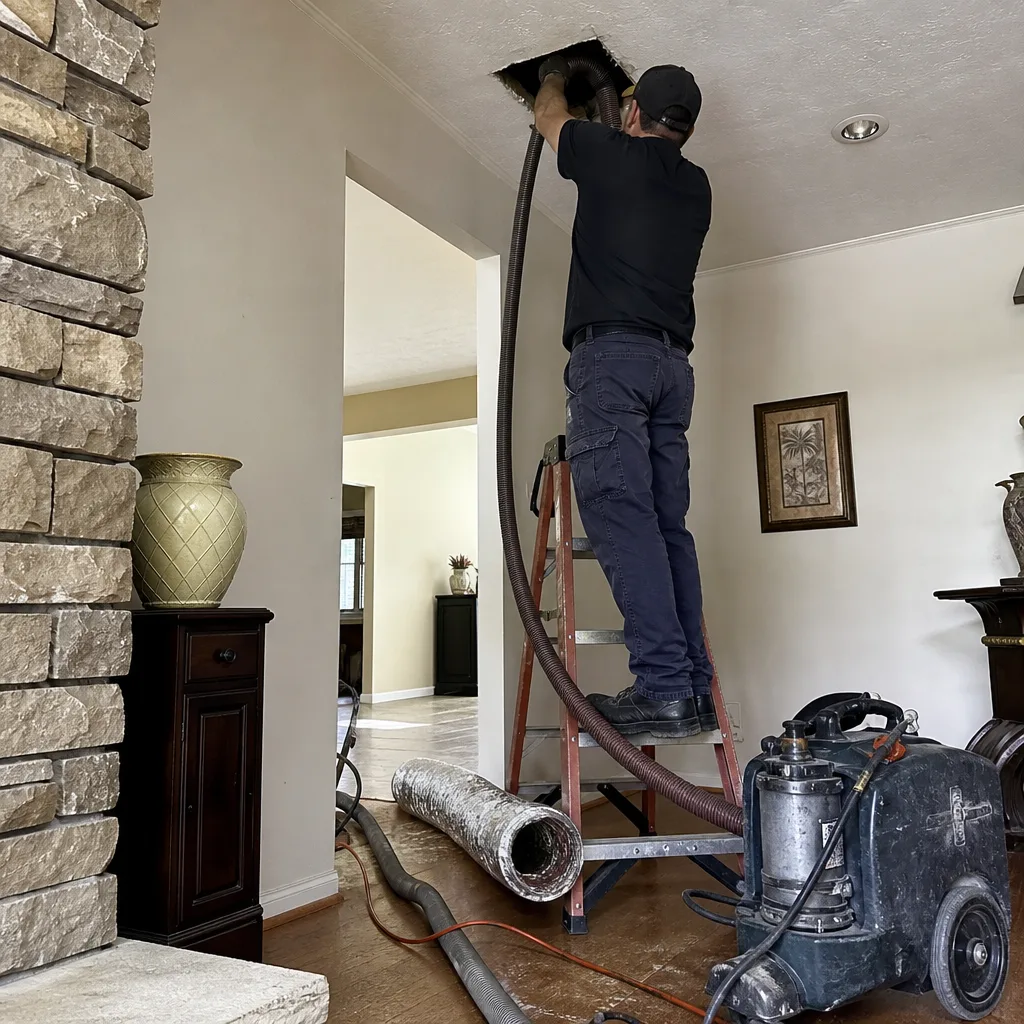 Before
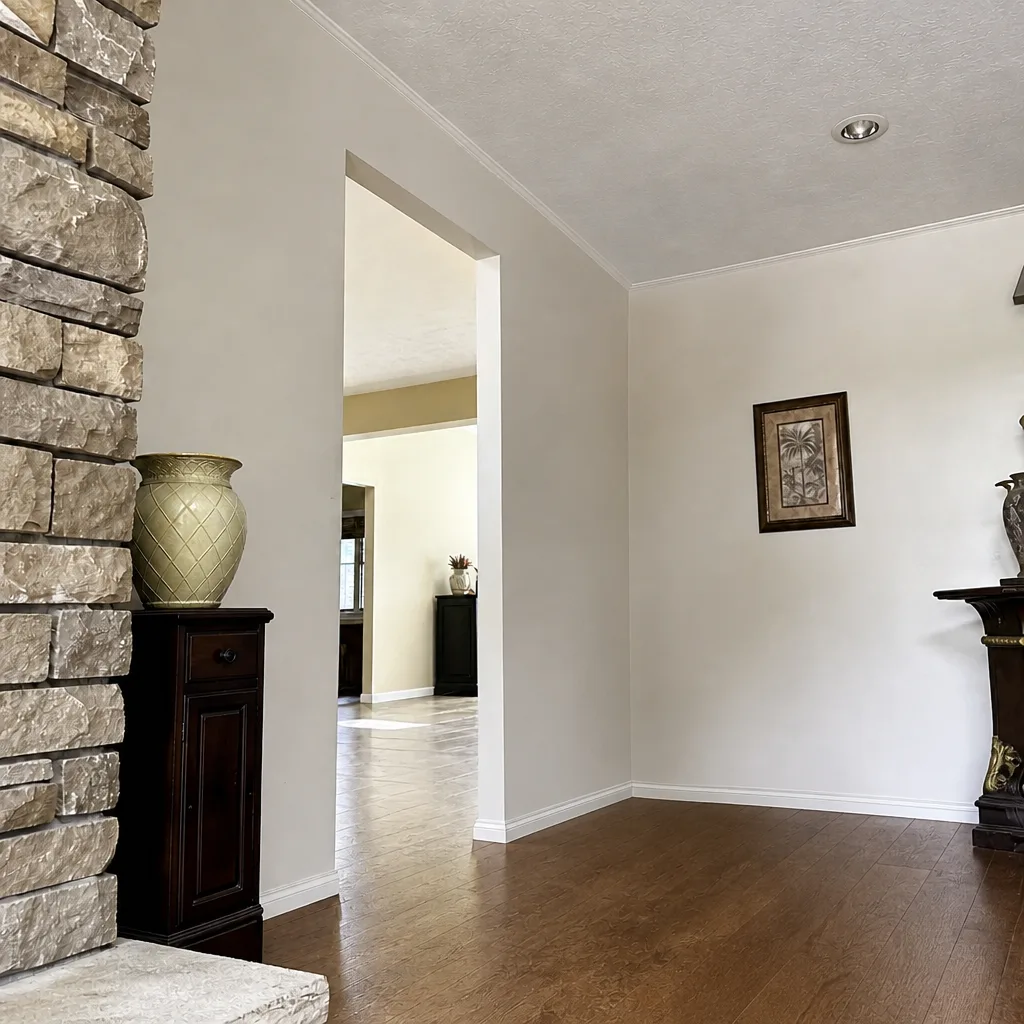 After
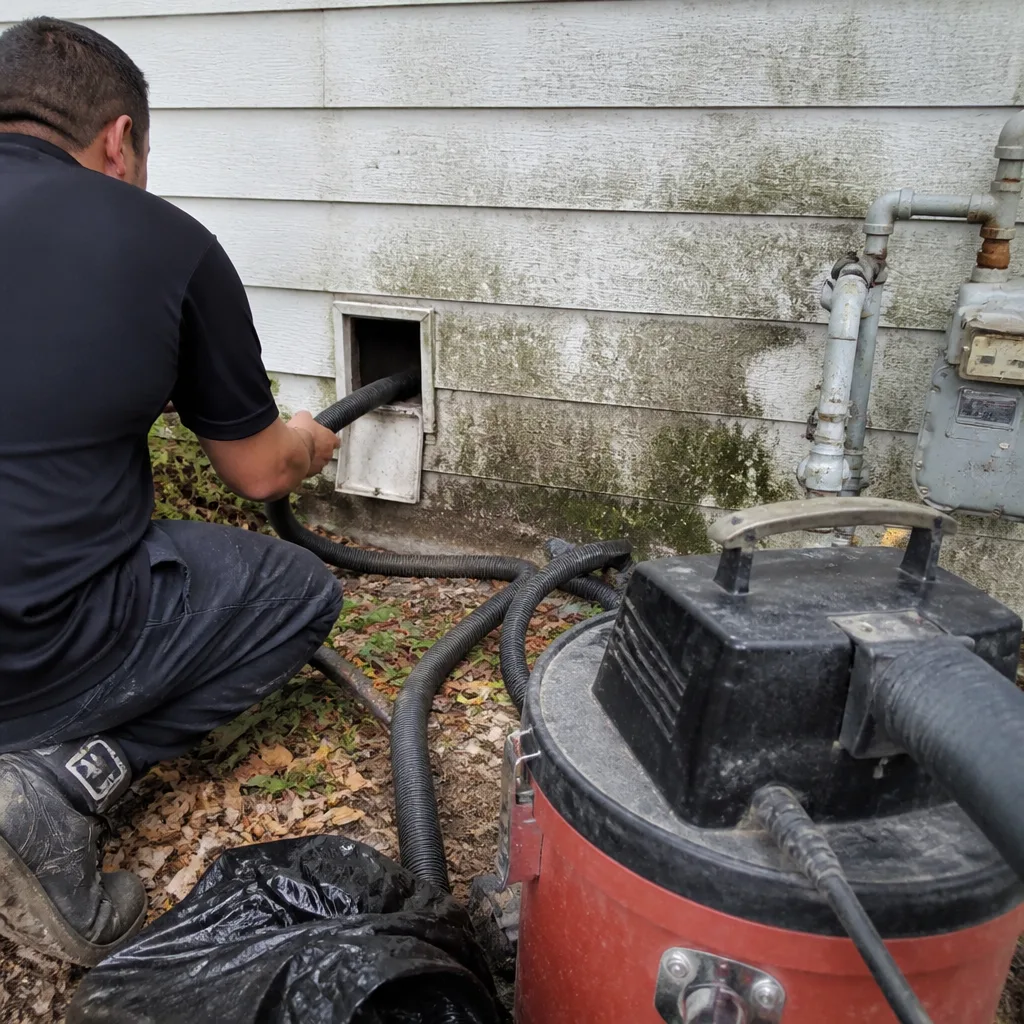 Before
 After
 Before
 After
When to Call a Professional
Some duct conditions are obvious from the living room. Visible dust blowing out of registers when the air handler starts. A persistent musty odor any time the AC runs. A rattle or whistle at a return grille that wasn’t there last season. Crushed or disconnected branches in the attic. Each one suggests a system with buildup or physical damage that a homeowner can’t reach with a shop vac. Mold or water intrusion near the air handler is another clear call, and one where you’d want remediation-grade HEPA filtration on the job.
Beyond that, a good rule of thumb is a mechanical clean on a normal cycle for the household. Homes with pets, recent renovations, or heavy dust from nearby construction need it sooner. Homes without those factors can stretch the interval. When you’re ready to know what your Riverview system actually needs, Duct Cleaning Riverview offers free estimates. Call (866) 293-1514. We answer 24/7. Fast dispatch from 7am to 7pm, Sunday through Friday.
Frequently Asked Questions
Most Riverview homes fall between $350 and $900 for a mechanical clean that includes rotary brush agitation, negative-air containment, and HEPA filtration, with the final number driven by square footage, duct count, flex-duct layout, and access to the air handler. Homes with confirmed mold or heavy contamination sit at the top of that range or above it because remediation adds source removal and additional filtration time. The written estimate sets the final price, and a flat-rate quote per system is the number that protects you from invoice creep. Call (866) 293-1514 for an exact quote; estimates are free.
Because they describe a different job. A $99 or $199 quote usually assumes blower-only cleaning with no wall contact, no negative-air containment, and no HEPA filtration during the work, which is a fraction of the hours a mechanical clean requires. The other reason is the pricing model itself: per-vent pricing starts low and grows on arrival as the technician counts registers. It’s not a scam in every case, but it is a different scope sold under the same words. If you want to know which job is being quoted, ask for the equipment list. Call (866) 293-1514 for an itemized estimate; estimates are free.
By requesting before-and-after photos of your own ducts, not stock images. A mechanical clean leaves visible evidence at the air handler, in the trunk, and at the branch runs: the difference between a dusty wall and a scrubbed one is usually obvious in a photo. The other confirmation is the equipment itself, which should be on site and running: a rotary brush system plus a negative-air or HEPA machine. If a company can’t show you the photos after the job, that’s what you’re working with. Call (866) 293-1514 for a free estimate and ask us to walk you through the photo record up front.
Because flex duct is corrugated on the inside, so dust collects along every ridge and every run takes more careful agitation time to scrub. The inner liner is thin, so a rotary brush has to be sized and fed by hand instead of run through at speed. Rigid metal trunk and branch lines are smooth and clean faster. Many Riverview homes built in the last few decades have flex branches in the attic alongside rigid trunk lines, so a mixed-system quote usually sits between the two. Call (866) 293-1514 if you want a walkthrough of what your actual layout requires; estimates are free.
In most Riverview homes without pets, renovations, or heavy dust sources, a mechanical clean every few years is enough; homes with shedding pets, recent construction dust, or visible buildup at the registers need it sooner. There’s no universal number because the real signal is what you can see and smell, not a calendar. Visible dust blowing out of a register when the AC starts, a musty odor when the system runs, or a rattle in the ductwork all suggest buildup or damage. Call (866) 293-1514 for a free estimate and we’ll tell you what your system actually needs.
Real remediation means physical source removal: mechanical agitation on every affected run, HEPA-filtration negative-air running throughout the work, and a post-clean verification of the ducts and the moisture source that fed the growth. Antimicrobial fogging alone doesn’t qualify, because it treats the surface without removing the material the growth is feeding on, so the same biofilm returns once conditions allow. If a Riverview quote offers mold treatment as a spray-only add-on, ask what’s being removed. Call (866) 293-1514 for an exact quote that separates fogging from source removal; estimates are free.
The Bottom Line
A duct cleaning price in Riverview is only meaningful when you know what it covers. Two quotes with the same headline number can describe completely different work, and two quotes that look far apart often sit closer once you line up the equipment, the containment, and the access-panel line items. Use the checklist in this guide for every quote you get. Ask for the equipment names. Ask for the flat-rate price in writing. Ask for before-and-after photos of your own ducts. Those three questions separate a mechanical clean from a blower pass better than any coupon ever will.
Contact
If you want a number you can actually compare against the other quotes in your hand, we’ll come out and write one. We use rotary-contact extraction, Nikro HEPA filtration, and Abatement Technologies air scrubbers, and we sell and install Honeywell and Aprilaire filtration products for homes that want to keep a clean system clean. Our technicians have up to experience, and we handle air duct cleaning, duct repair, and dryer vent cleaning under one roof. Call (866) 293-1514 for a free estimate. We answer 24/7. Fast dispatch from 7am to 7pm, Sunday through Friday. If you’re outside Riverview and want to know whether we cover your area, start on our Riverview page and explore Duct Cleaning Riverview for the full service overview.
Written by the team at Duct Cleaning Riverview.