
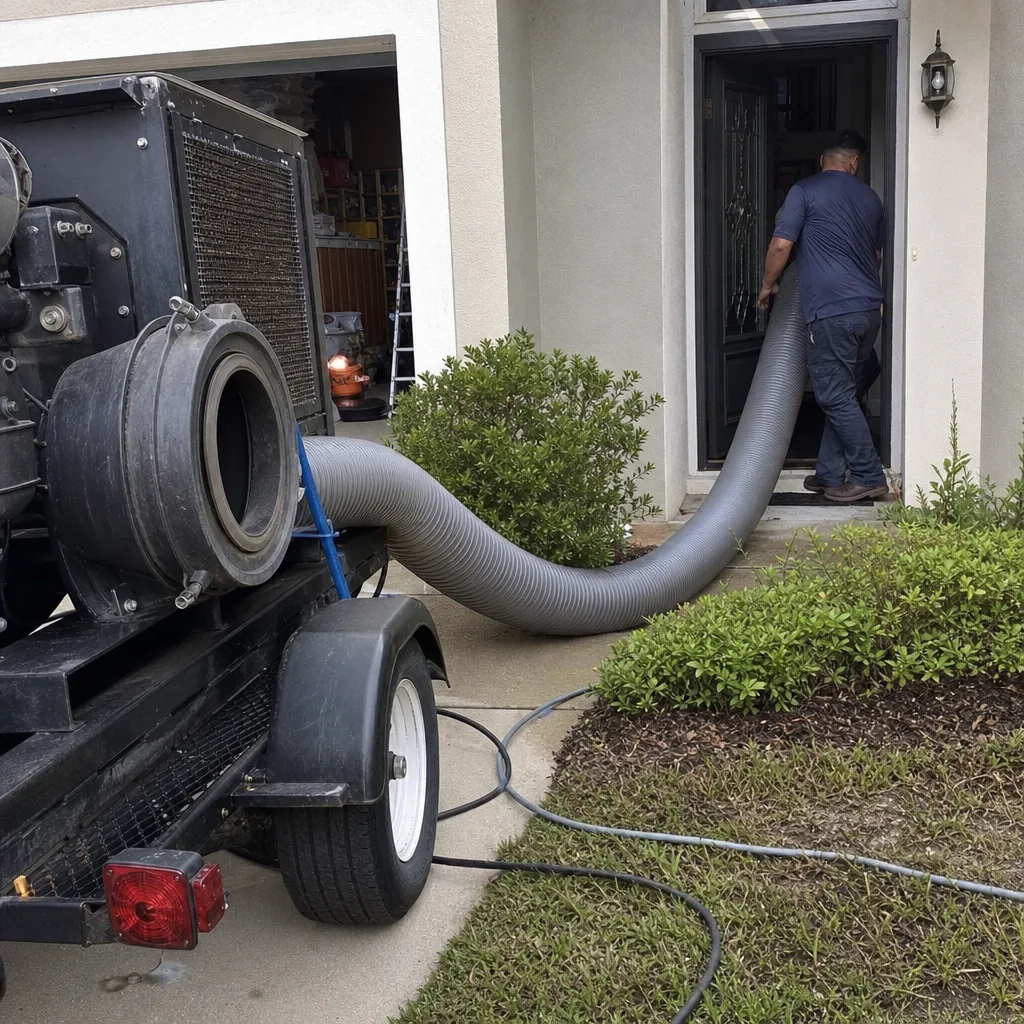
Last updated November 16, 2026
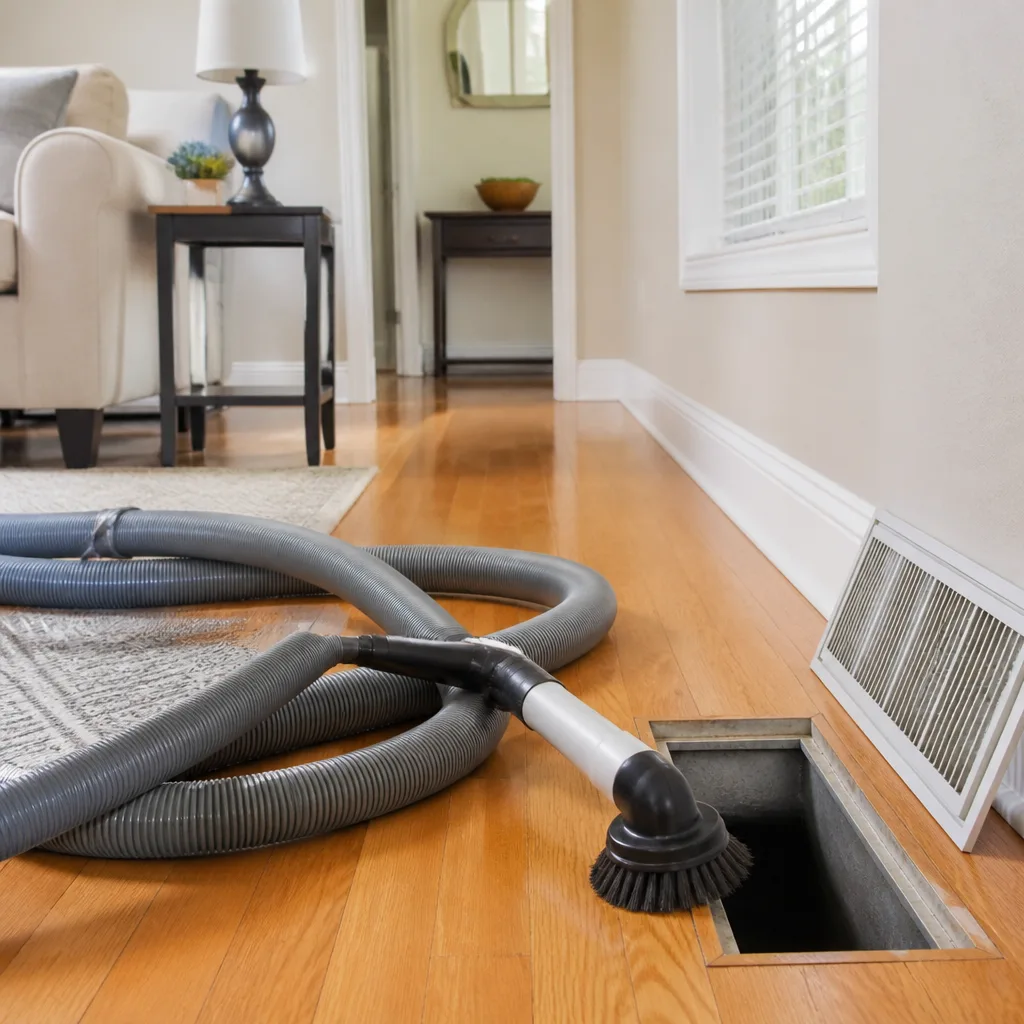 Whole-home duct cleaning
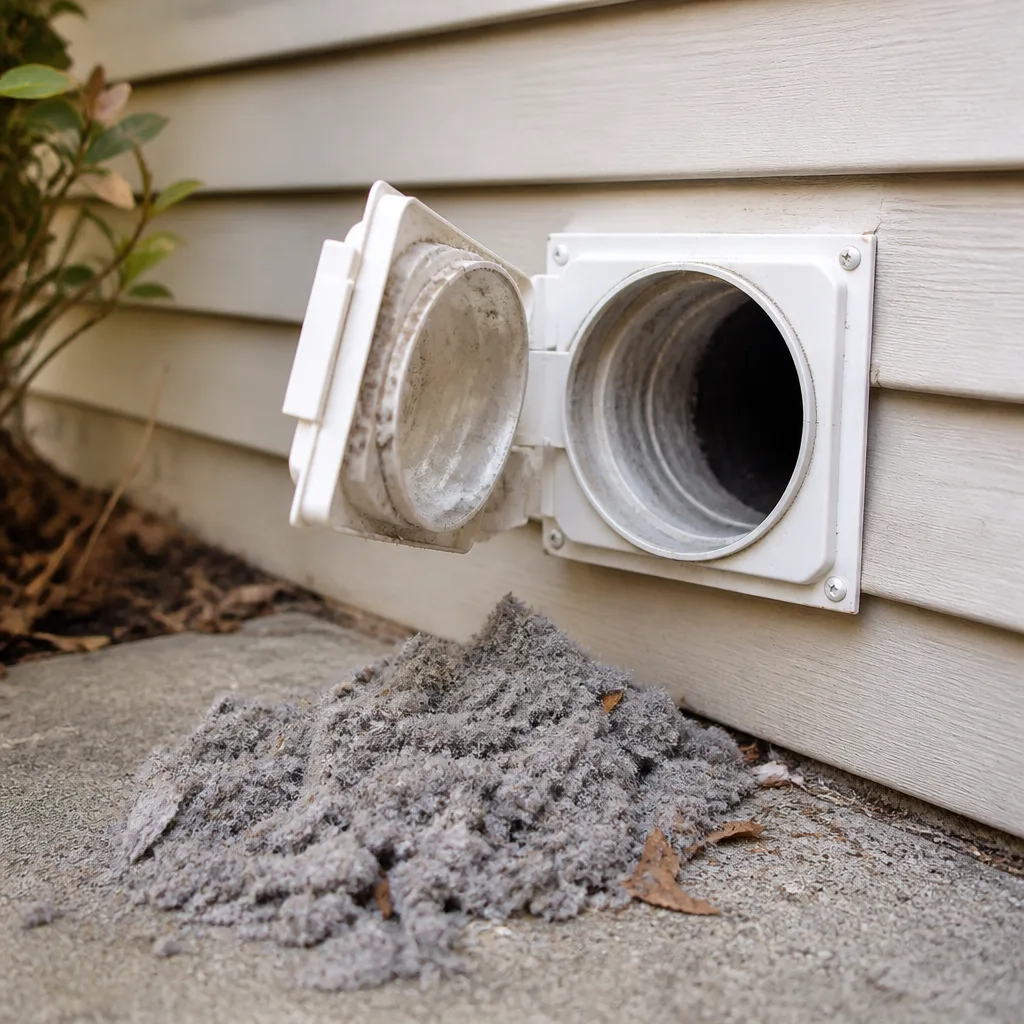 Dryer vent cleaning
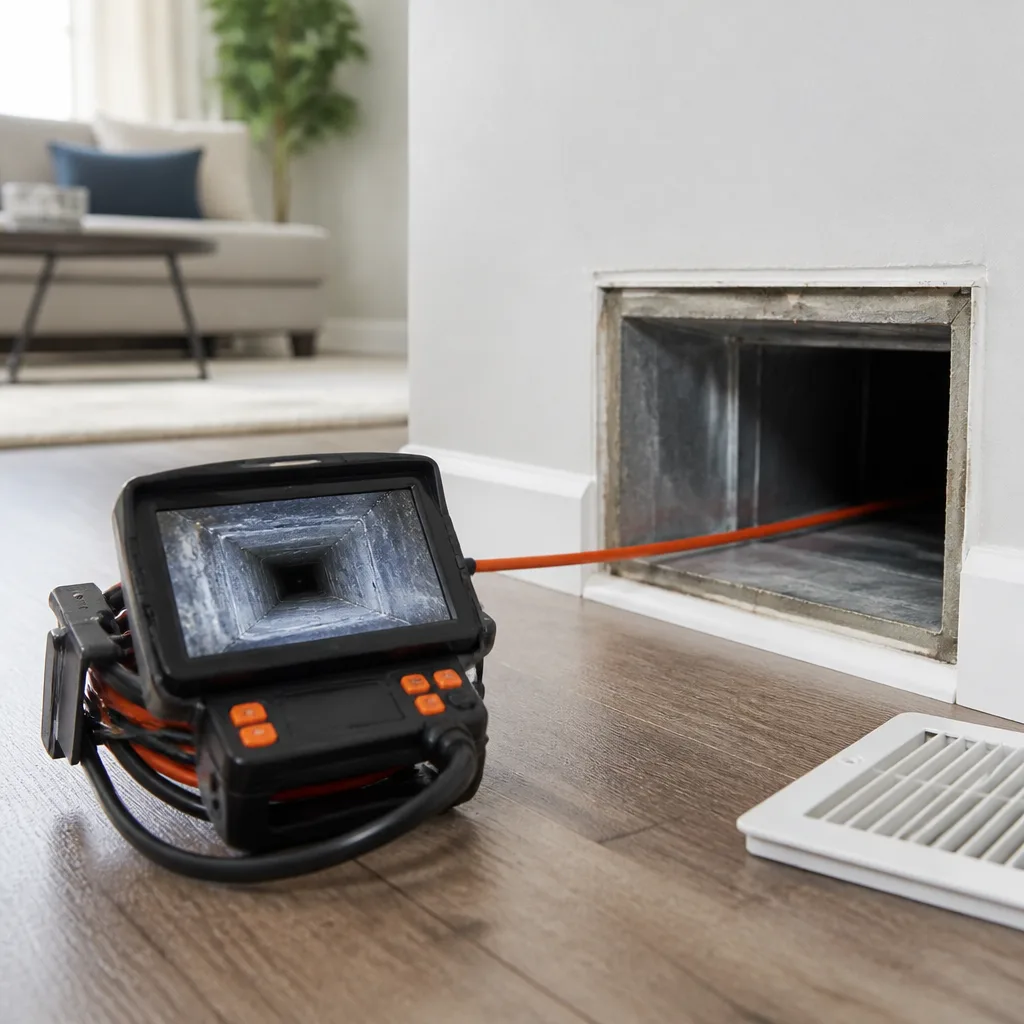 Camera inspection
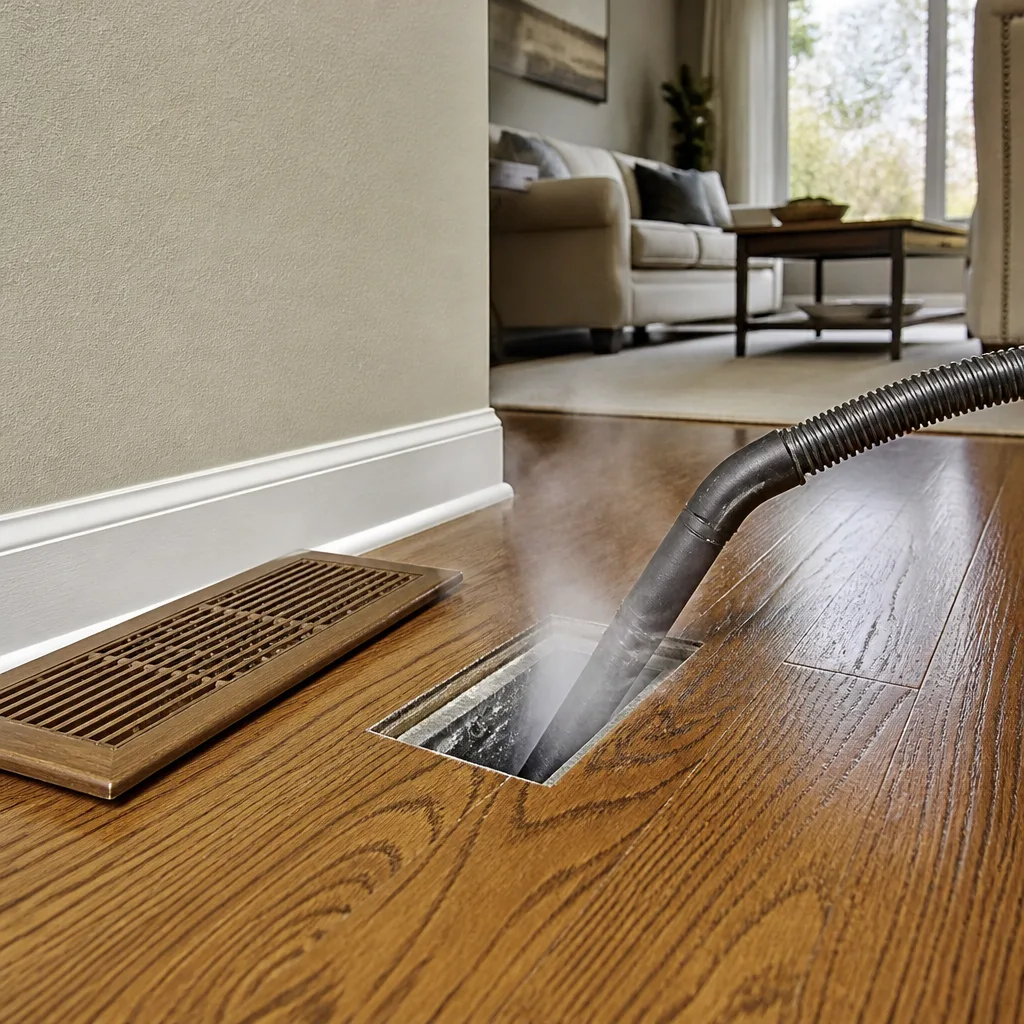 Sanitizing & deodorizing
Whole-system duct and dryer vent check with before-and-after photos - you see exactly what came out of your vents
That "$99 whole-house special" is a bait ad - the real number appears once they are in your hallway, or the "clean" is a shop-vac at the register. We photograph the inside of your ducts before and after instead.
Air Duct Cleaning Emergency Preparedness Guide for Riverview Homes
Most Riverview homeowners who prepare for hurricane season do the same things: trim the oaks, fill the water jugs, test the generator, screw the shutters into their tracks. Almost none of them open a grille and look inside the duct system. That’s the gap. The ducts are the one part of a house that keeps running while a storm is happening, pulls air from a pressurized attic, and holds whatever moisture reaches it. And as anyone who works with duct systems in this climate knows, flex duct liner that stays wet for a day or two can begin supporting mold growth. This guide covers what to check after a storm, how to tell whether water actually got into the ducts or just into the attic, what to photograph for your insurer before anyone touches anything, and how to prep the system before a named storm makes landfall. Everything below is written for Riverview specifically, not the country at large.
Quick Answer
If your Riverview home took roof damage, flooding, or lost power for days during a storm, inspect the duct system within 72 hours. Look for standing water in the air handler pan, water stains on flex duct runs, collapsed or sagging duct segments, and musty odor when the fan runs. Photograph everything and take humidity readings before you clean or repair anything, because your insurer needs documentation of conditions before remediation starts. A duct system exposed to sustained moisture needs mechanical cleaning and, in some cases, mold remediation, and the two are not the same job.
Styles & brands we work with
- Whole-home duct cleaning
- Dryer vent cleaning
- Camera inspection
- Sanitizing & deodorizing
Table of Contents
- Why Ducts Are the Weak Point in a Riverview Storm
- The 72-Hour Post-Storm Inspection Protocol
- Did Water Reach the Ducts or Just the Attic?
- What to Document Before Any Cleaning Begins
- Post-Storm Cleaning vs. Post-Storm Mold Remediation
- The Pre-Storm Duct Protection Checklist
- Extended Power Loss: The Overlooked Duct Event
- What Verifiable Duct Work Actually Looks Like
Why Ducts Are the Weak Point in a Riverview Storm
Ducts sit in a weird physical spot in a Florida house. The air handler and much of the distribution run live in the attic, which is outside the conditioned envelope. That means the duct system straddles two environments: the cool, dry interior of the home and the hot, humid attic above it. Under normal conditions, that arrangement works fine because the system is sealed and insulated. During a storm, it stops being fine.
A roof intrusion puts outdoor air into the attic. In Riverview, that air can carry humidity well above 90% RH for days after a system passes through, and attic temperatures can push a hundred degrees by mid-afternoon once the sun returns. Flex duct liner is essentially a fiberglass core wrapped in a foil or scrim jacket. When the jacket is breached or the assembly is sitting in saturated attic insulation, the inner liner becomes a moisture reservoir. And moisture plus organic dust (there is always organic dust in a duct system) plus warm temperatures is the recipe for biological growth.
The deeper problem is that the duct system is also the intake for the whole house. During an extended outage, duct runs can act as a passive conduit between the attic and the living space. Air doesn’t need the blower to move; it moves on pressure and temperature differences. So contamination that establishes itself in a wet attic duct can migrate into bedrooms and living areas as soon as the system comes back online.
- Location risk: attic-mounted air handlers are common in Riverview housing stock, and they get the worst of storm humidity.
- Material risk: flex duct is more vulnerable to moisture intrusion than rigid metal duct because its jacket can tear and its insulation can absorb water.
- Operational risk: a system that runs after a roof breach pulls attic air through any compromise in the return side.
The 72-Hour Post-Storm Inspection Protocol
Within 72 hours of any event involving roof damage, flooding, or extended power loss, walk the system and document what you find. You don’t have to take anything apart. You’re looking, smelling, and photographing. Here is the sequence:
- Shut the system off at the thermostat first. Don’t run the fan to “clear things out.” Moving air through a wet duct spreads moisture and whatever is growing in it.
- Photograph the attic before you touch anything. Wide shots of the whole space, then close-ups of any wet insulation, water lines on the underside of roof sheathing, and staining on duct jacket material. Your insurer will want the condition as found, not as tidied.
- Check the air handler. Open the access panel and look in the condensate pan. Standing water beyond what the pan normally holds after shutdown is a red flag. Look for rust on the cabinet, water marks on the blower housing, and a musty odor when you lean close.
- Trace the duct runs. Look for sagging sections (wet insulation adds weight), tears or separations in the jacket, and any run where the outer wrap feels soft or damp to a gloved hand.
- Take humidity readings. A cheap hygrometer in the attic and one in the living space gives you two data points to record alongside your photos. Write down the date and time of each reading.
- Check the registers for debris. Pull a few supply and return grilles and look inside. Dry leaf fragments, insulation fibers, or grit that clearly came from outside are evidence of a breach somewhere upstream.
- Smell test. If a closed-up room with the system off has a musty, earthy smell, note it. Odor is one of the earliest and most reliable indicators that moisture reached the duct system, not just the attic.
Write all of it down. A dated written log with photos and humidity numbers is worth more to an adjuster than a verbal description given three weeks later. If you want a professional opinion on what you’re seeing, we’re happy to look. Our technicians have up to experience reading exactly this kind of post-storm condition in Riverview homes.
Did Water Reach the Ducts or Just the Attic?
This is the single most important distinction in post-storm duct work, and it’s the one that gets glossed over by companies that want to sell you a full remediation on the spot. Moisture in the attic space and moisture inside the duct system require completely different scopes.
Attic-only moisture means wet insulation, damp sheathing, maybe a water stain on the outside of a duct jacket. The duct interior stayed dry because the jacket held. The fix is drying the attic, replacing wet insulation, and verifying the ducts are dry and intact. Sometimes that means a cleaning to remove construction debris or dust that got stirred up. It does not mean remediation.
Moisture inside the duct system means water got past the jacket and contacted the liner, or the air handler flooded, or the return side pulled saturated attic air for an extended period. That’s a different problem. The interior of a duct is a dark, warm, humid space with a food source (dust and skin cells), and once biological growth establishes, cleaning alone may not resolve it. You need an assessment first, then a scope that matches what’s actually there.
Signs that moisture went inside the ducts rather than staying in the attic:
- Water staining or tide lines on the inside of the duct jacket or on the liner itself
- Visible growth on the liner when you look in through a register or a disconnected joint
- Musty odor that appears only when the system runs, even after the attic has dried out
- Condensate pan overflow with evidence the water reached the cabinet interior or the supply plenum
- Liner that is soft, delaminating, or separating from the jacket
Riverview homes that took only wind and rain with no roof intrusion usually land in the attic-only category. Homes with a compromised roof or a flooded garage or lanai where ducts run low are the ones that need the deeper assessment.
What to Document Before Any Cleaning Begins
This is the part people regret skipping. The moment a cleaning crew runs a vacuum through your duct system, the physical evidence of the loss is gone. Insurers and adjusters work from documentation of the condition as found. If you can’t show what was there before remediation, you may end up absorbing a cost that was covered.
Build a documentation package before anyone touches the ducts:
- Wide and close photos of every affected area. Attic, air handler, each duct run with visible damage, and the interior of at least two registers.
- Dated humidity readings from the attic and the living space, taken with the same meter if possible.
- A written technician assessment describing what was observed, what was tested, and what the recommended scope is. This should be in plain language, not a sales pitch.
- Moisture meter readings on duct jacket material and attic insulation, if you or a technician have the tool.
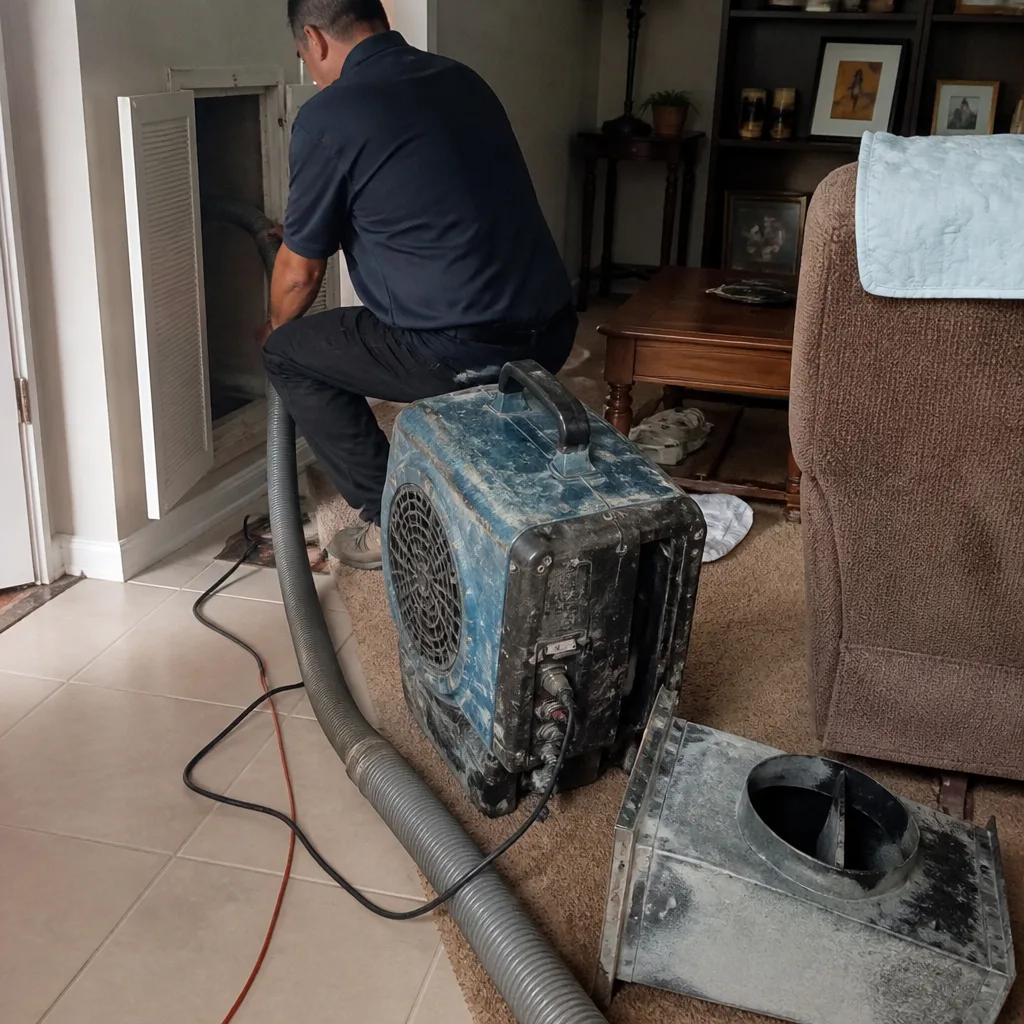
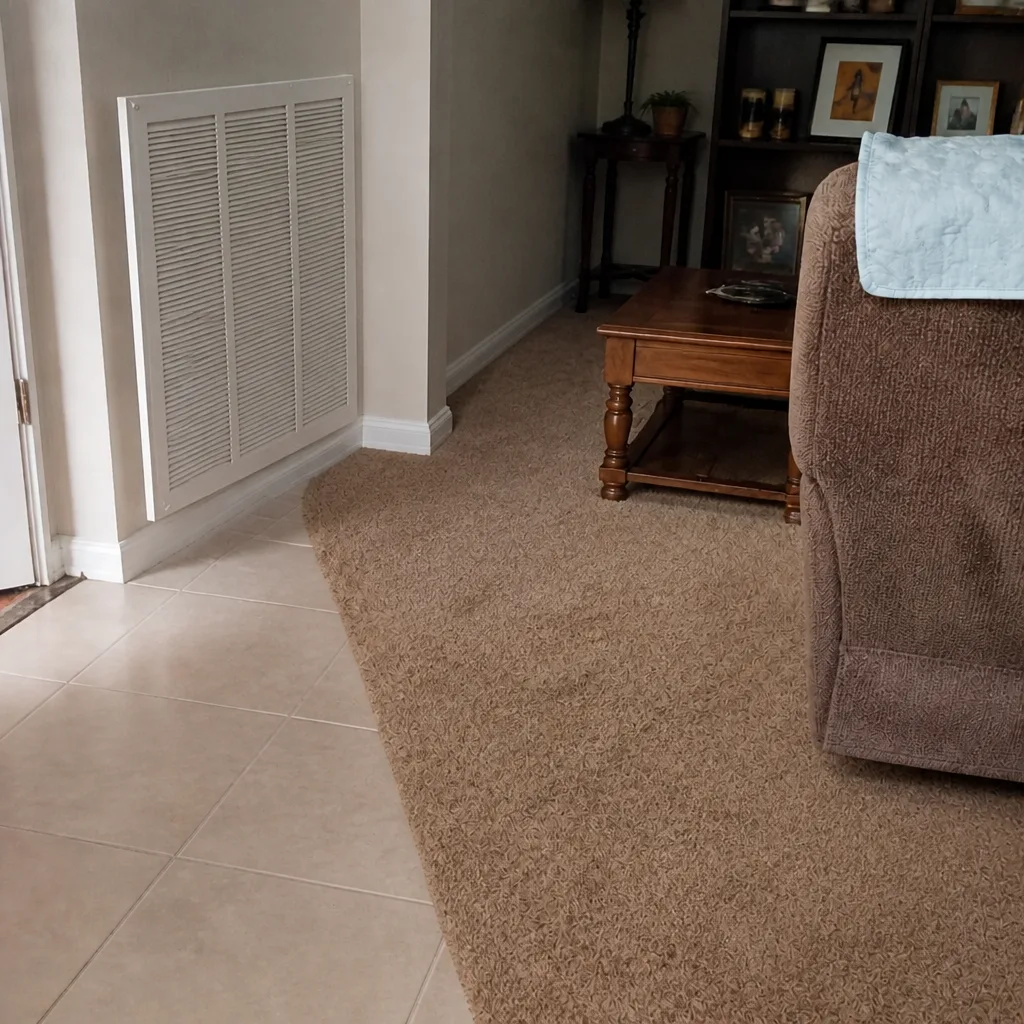
- Before-and-after photos of the duct interior if cleaning is performed. This is standard practice for a process-driven company and it protects you on the back end.
- A written scope of work that separates cleaning from any remediation so the adjuster can see exactly what was done and why.
If a company shows up after a storm and wants to start work before documenting anything, that’s your cue to slow down. The documentation isn’t a formality; it’s the difference between a claim that gets paid and one that gets argued about for months. When we come out to a Riverview home after a storm, the assessment comes first and the estimate is written on what we actually found.
Post-Storm Cleaning vs. Post-Storm Mold Remediation
These two services get bundled in storm-season marketing, and that’s a problem, because they are not interchangeable and the licensing and insurance picture underneath them differs.
Post-storm duct cleaning is mechanical removal of dust, debris, and settled particulates from the duct system. It’s what you need when the ducts got dirty, stirred up, or lightly contaminated by storm debris but are structurally intact and dry. The right equipment for this is a rotary-brush contact system like Rotobrush that physically scrubs the duct walls, paired with a negative-air machine that holds the system under vacuum so dislodged material doesn’t end up in your living room. That’s mechanical extraction, not a blower pushing air around.
Post-storm mold remediation is a different scope. It involves confirmed biological growth inside the system, containment, HEPA filtration, and often treatment of the affected materials. In Florida, mold remediation is a regulated activity, and the contractor performing it needs the appropriate licensing and insurance for that work. A duct cleaning company without that licensing should not be representing a cleaning as remediation, and you should ask directly which one you’re being sold.
Where this gets practical: a Riverview home after a storm might need both. It might need cleaning, then a repair to a torn duct run found during cleaning, then a filtration upgrade to keep the system cleaner going forward. That’s why we cover the full lifecycle in-house. We repair what we find rather than handing you off to a second contractor, and we can install Honeywell or Aprilaire filtration at the end so the system is handling its own air quality instead of just getting cleaned once and forgotten.
Ask any company three questions before they start: What is the scope in writing? What equipment will be used on-site? And is any part of this remediation, and if so, who is licensed for it? The answers tell you what you’re actually buying.
The Pre-Storm Duct Protection Checklist
The cheapest storm prep for your duct system costs nothing and takes twenty minutes. Do it before a named storm is in the forecast cone, not the day of.
- Seal the return registers. Return grilles are the easiest path for wind-driven rain and pressure-driven humidity to enter the system when the blower is off. Tape plastic over them from the inside during the storm, then remove it after. Don’t seal supply registers if you’re still running the system; if you’re shutting it down, seal both sides.
- Shut the air handler off at the breaker. Not just the thermostat. A system that tries to start during a power flicker or after a surge can flood a condensate pan or run with a compromised blower. Off at the breaker is off.
- Photograph the system as it sits. Before the storm. A dated photo of a dry, undamaged duct run is your baseline for the insurance conversation later.
- Tell your HVAC technician about the storm plan. If you have a service relationship, let them know you’re shutting down for the event and ask them to note the system’s condition at the last service. A written record of pre-storm condition is worth having.
- Clear the attic access. If you need to get up there after the storm to document, you don’t want to be moving boxes in the dark.
- Check your dryer vent. A lint-clogged dryer vent is a fire risk year-round and a worse one when the power comes back and everyone does laundry at once. dryer vent cleaning is a standalone safety service for exactly this reason, and it’s worth scheduling before storm season if you haven’t had it done.
If you’re unsure whether your system has a shutoff at the breaker or only at the thermostat, have a technician walk you through it before you need to know.
Extended Power Loss: The Overlooked Duct Event
Not every duct problem after a storm comes from water. A house that loses power for three or four days in the middle of a Riverview summer turns into a hot, humid box. The air conditioner is off, the attic is venting and re-venting, and the interior humidity climbs toward whatever it is outside. That’s the scenario a lot of homeowners don’t connect to their ducts.
When the system is off and the indoor environment is at high humidity for days, the duct interior equilibrates with the surrounding air. The air handler cabinet, the condensate pan, the blower housing: all of it sits at elevated humidity. That’s when a small amount of standing water in the pan, or a bit of dust on the coil, becomes a growth medium. Then the power comes back, the system kicks on, and every register in the house gets a dose of whatever established during the outage.
The good news is that extended power loss alone, without roof damage or flooding, usually needs only a cleaning and a visual inspection. The bad news is that it’s easy to skip, because there’s no visible damage to prompt you. If your home went more than a day or two without cooling during storm season, put a duct inspection on the list.
- Look in the condensate pan for water or slime after power comes back.
- Run the system for fifteen minutes and smell the air at a central return. Musty or earthy means it’s worth a closer look.
- Check the coil face for visible dust or growth.
- If you have a hygrometer, log indoor humidity for a week after the outage and see whether the system is pulling it back down normally.
What Verifiable Duct Work Actually Looks Like
Most homeowners have never seen the equipment in their attic, and that’s exactly how cheap duct services get away with a blower and a shop vac. The process matters, and the equipment is the proof.
Rotary-brush contact cleaning (Rotobrush is the system we run) works by putting a rotating brush inside the duct and mechanically scrubbing the interior walls while a vacuum pulls the loosened material out. It’s contact cleaning. A blower alone relies on air pressure to dislodge dust, and it pushes some of it through the system rather than out of it. That’s the “blow and go” method, and if a company can’t tell you what equipment they use on-site, that’s what you should assume.
On the extraction side, we run Nikro negative-air and HEPA-filtration units and Abatement Technologies air scrubbers. These are the same class of tools used in professional remediation work, and they do one thing well: they hold the dust and the fine particulates and they don’t release them back into your home. Remediation-grade equipment in a residential setting isn’t a marketing line; it’s the difference between a cleaning and a cleaning you can’t see the results of.
Finally, cleaning is the start, not the end. We install Honeywell and Aprilaire filtration and air-quality products when the system needs more than a cleaning, and we handle air duct cleaning for homes across the area with a before-and-after photo record of the duct interior so you have proof of the work. Cleaner air starts at the source, and the source is the system.
For a broader overview of how the company approaches the trade, the Duct Cleaning Riverview page is the place to start, and the Riverview page covers the area we work in.
Common Mistakes to Avoid
- Running the system to “air it out” after a storm. Moving air through a wet duct spreads moisture and whatever is growing in it to every room. Shut it off at the breaker and get it assessed first.
- Letting a crew clean before anything is photographed. Once the vacuum runs, the evidence is gone. Document the condition, take humidity readings, and get a written assessment before a single tool comes out of the truck.
- Accepting a verbal scope. A storm-damaged duct system is a documentable event. Ask for the scope, the equipment list, and whether any part of the work is remediation. Get it in writing or don’t proceed.
- Assuming a low quote after a storm is a bargain. Storm season brings out companies that aren’t local and won’t be there for the follow-up. A price that looks half of everyone else’s usually means a blower instead of a brush, and no documentation.
- Skipping the inspection because there’s no visible damage. Power-loss events and slow roof intrusions don’t leave an obvious mess. A closed-up house that smells fine upstairs can still have a musty duct plenum.
- Confusing cleaning with repair. Cleaning a torn or disconnected duct run just makes a bigger mess of your living area. If the inspection finds damage, the repair has to happen alongside the clean.
- Forgetting the dryer vent. Storm season means a lot of laundry and a lot of lint. It’s a separate fire-safety job and it takes less time than you’d think.
See the difference
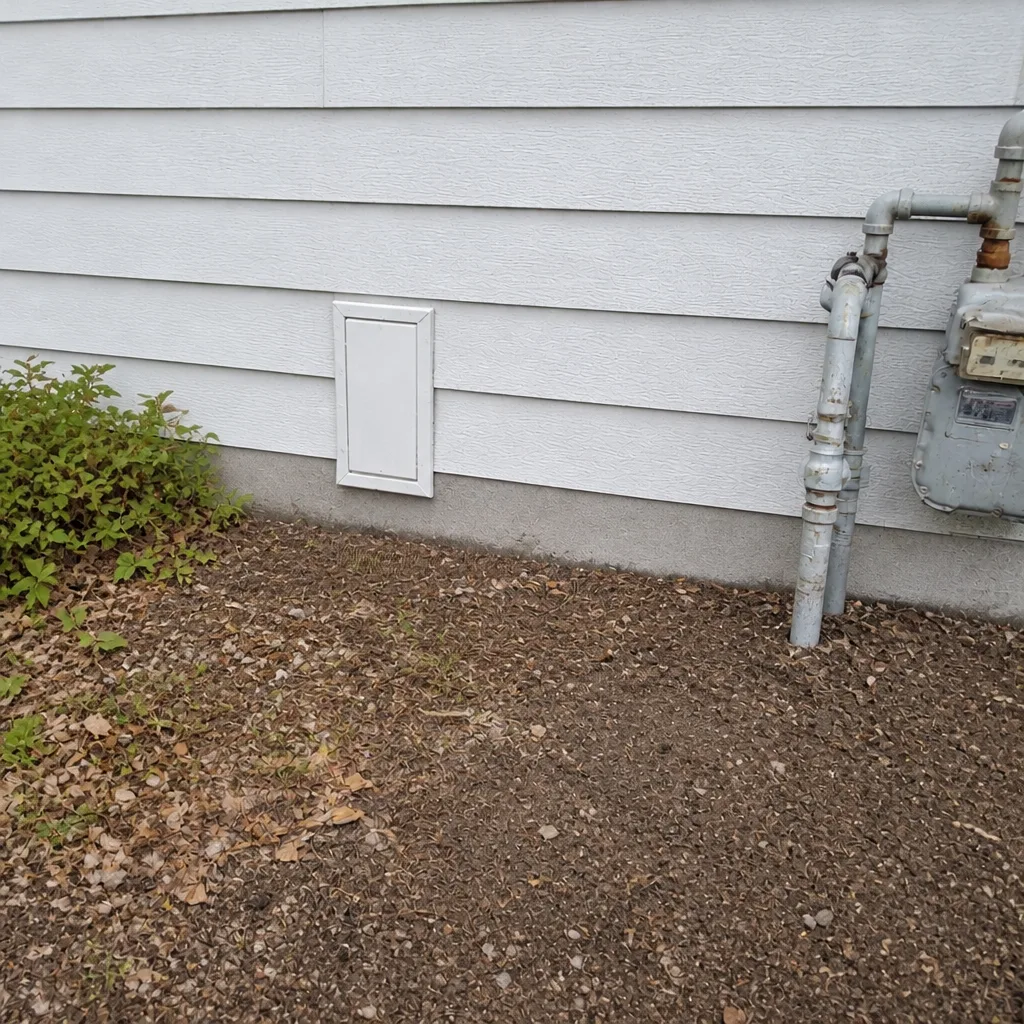
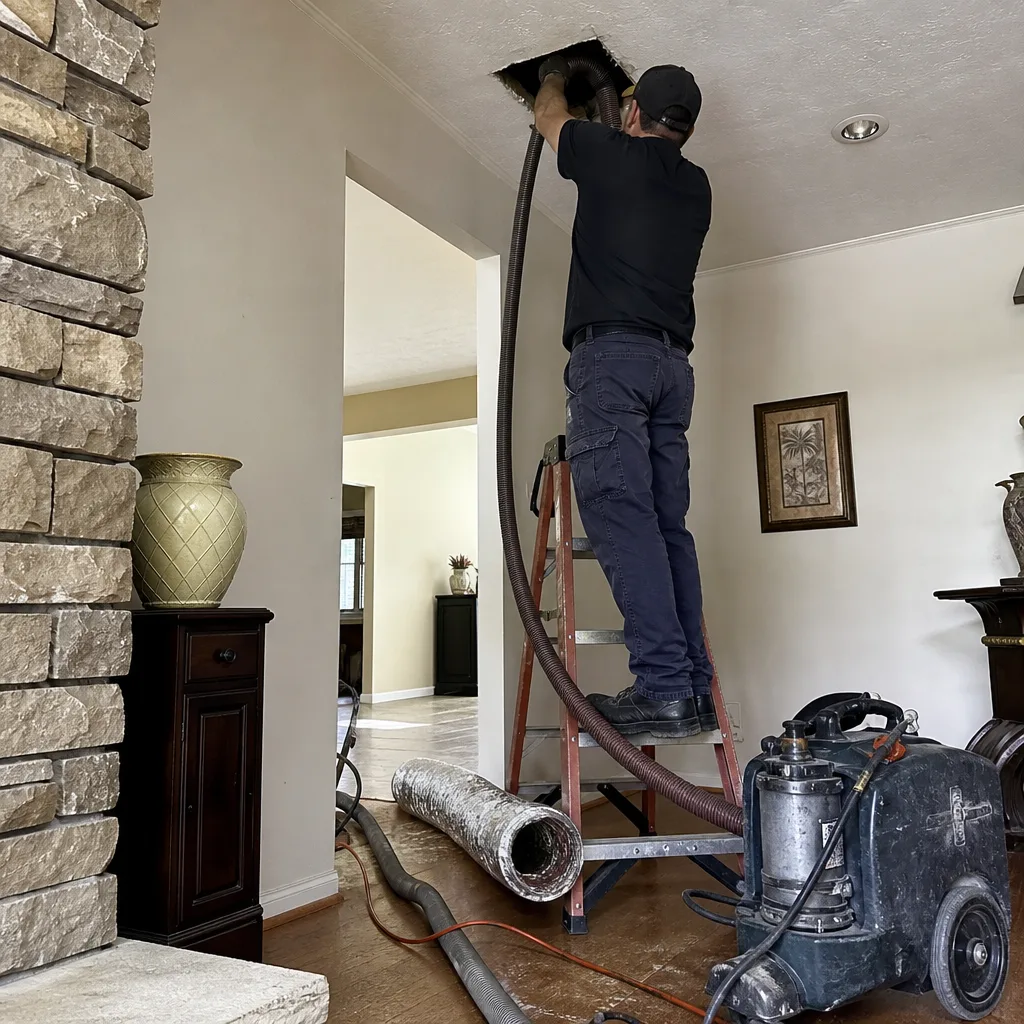 Before
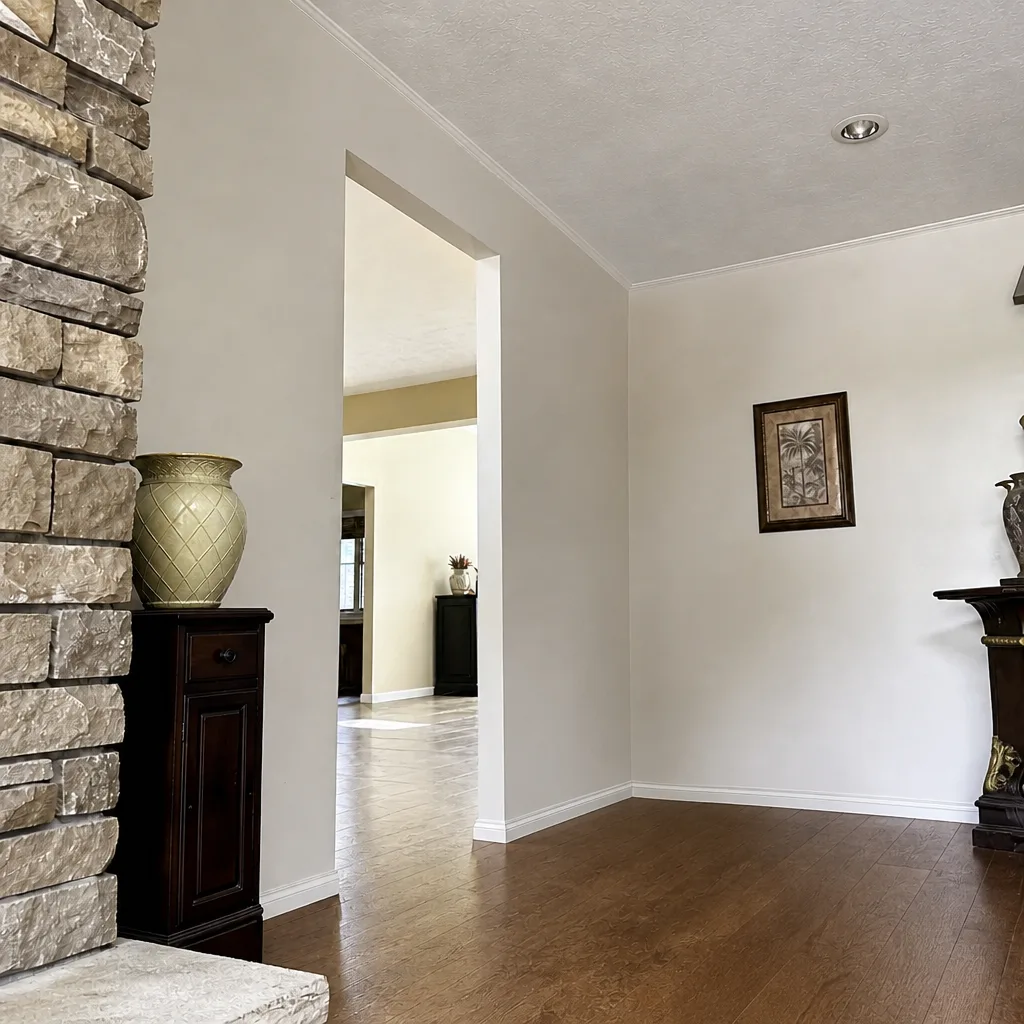 After
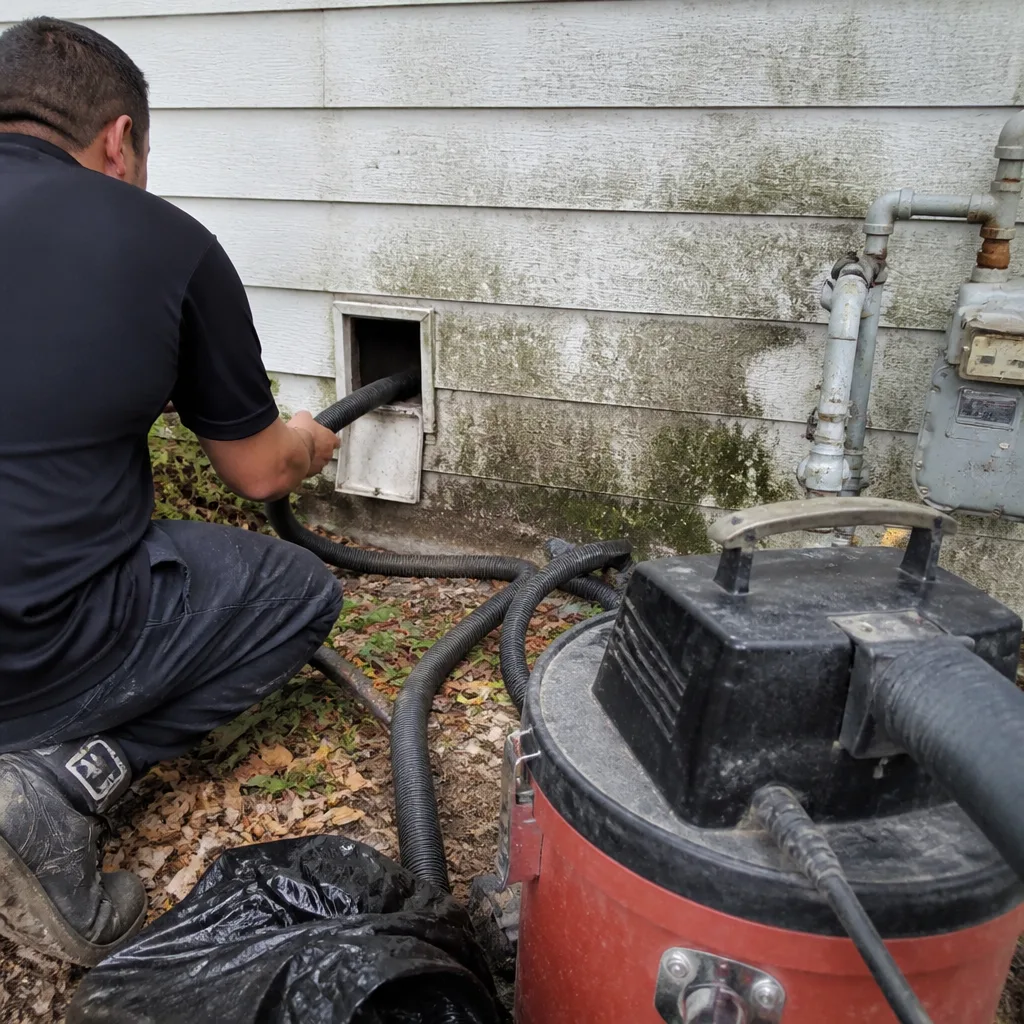 Before
 After
 Before
 After
When to Call a Professional
Call a professional when the question is “is this safe to clean or does it need remediation,” because that distinction drives everything that follows and you can’t diagnose it from the register with a flashlight. Call when you’ve got roof damage or flooding and want a written technician assessment of the duct system before you talk to your insurer. Call when the house smells musty after the system runs, when a duct run has visibly collapsed or torn, when the air handler took on water, or when you’ve had an extended outage and want the system checked before the season ends. And call when the last company that cleaned your ducts didn’t show you a photo of anything.
Duct Cleaning Riverview offers free estimates in Riverview. Call (866) 293-1514. We answer 24/7. Fast dispatch from 7am to 7pm, Sunday through Friday.
Frequently Asked Questions
Within 72 hours if your home had roof damage, flooding, or more than a day of power loss. The 72-hour window matters because duct liner that stays wet can begin supporting mold growth within 24 to 48 hours of sustained moisture contact, so faster is better. A visual inspection with photos and humidity readings is quick, and it gives you documentation whether or not anything needs cleaning.
Whole-system duct cleaning is priced per job, not per vent, and the written estimate sets the final number. We don’t quote per-register pricing because it’s how the industry’s bait-and-switch works: a low teaser price that grows once the technician is on site. Call (866) 293-1514 for an exact quote. Estimates are free.
Usually because they’re a blower and a shop vac instead of rotary-brush contact cleaning with negative air. The lower price often doesn’t include any documentation, so you have no proof the work was done or what was found. Ask what equipment will be on-site and whether the scope is in writing before you compare prices at all.
Attic-only moisture leaves the duct jacket dry on the inside; moisture inside the ducts leaves staining, delamination, or visible growth on the liner itself. The reliable indicators are water staining on the liner, musty odor only when the system runs, and a flooded or overflowing condensate pan. A technician can confirm which one you have with a moisture meter and a look from the inside.
Cleaning if the ducts got dirty or lightly contaminated and are structurally dry and intact; remediation if biological growth inside the system is confirmed. In Florida, mold remediation is a regulated activity, and the contractor doing it needs the right licensing and insurance. Ask directly which one you’re being sold, and ask to see the scope in writing.
You should get before-and-after photos of your own duct interior, taken during the job, plus a written scope of work. That documentation is standard for a process-driven company and it’s the thing a cheap service can’t hand you because they didn’t do the steps that produce it. Call (866) 293-1514 for an exact quote on what a documented clean looks like for your system.
The Bottom Line
Hurricane prep in Riverview usually stops at the shutters, and the duct system is what gets forgotten. That’s a mistake worth correcting. Shut the air handler off at the breaker when a named storm approaches, seal your returns, photograph the system dry, and inspect it within 72 hours if anything got breached or the power was out for days. Document before you clean. Know the difference between cleaning and remediation before you sign a scope, and ask what equipment will be on-site. A duct system that gets handled this way comes back from a storm intact. One that doesn’t can keep feeding the house bad air long after the weather clears.
If you want a straightassessment of your own system after the next event, or you want to get ahead of it now, call us at (866) 293-1514 for a free estimate. We answer 24/7. Fast dispatch from 7am to 7pm, Sunday through Friday.
Written by the team at Duct Cleaning Riverview.