
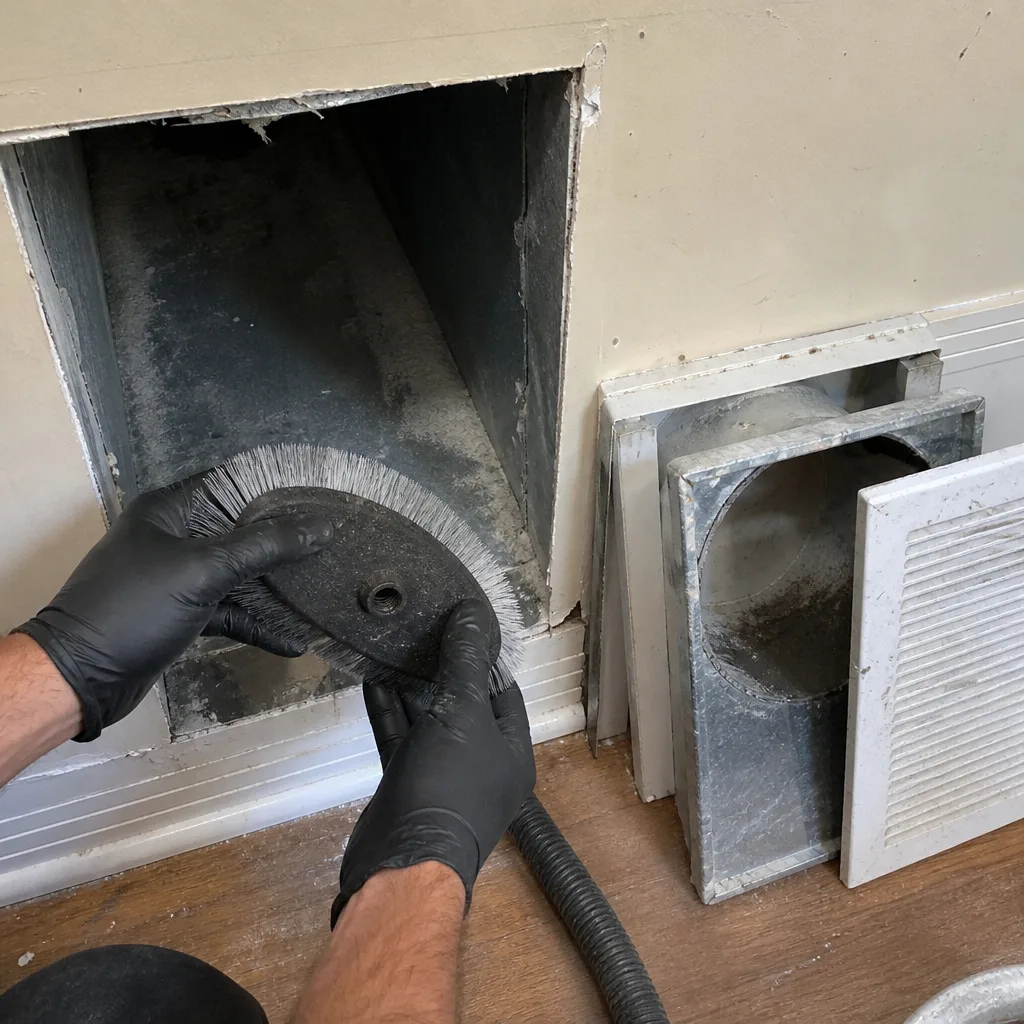
Last updated November 16, 2026
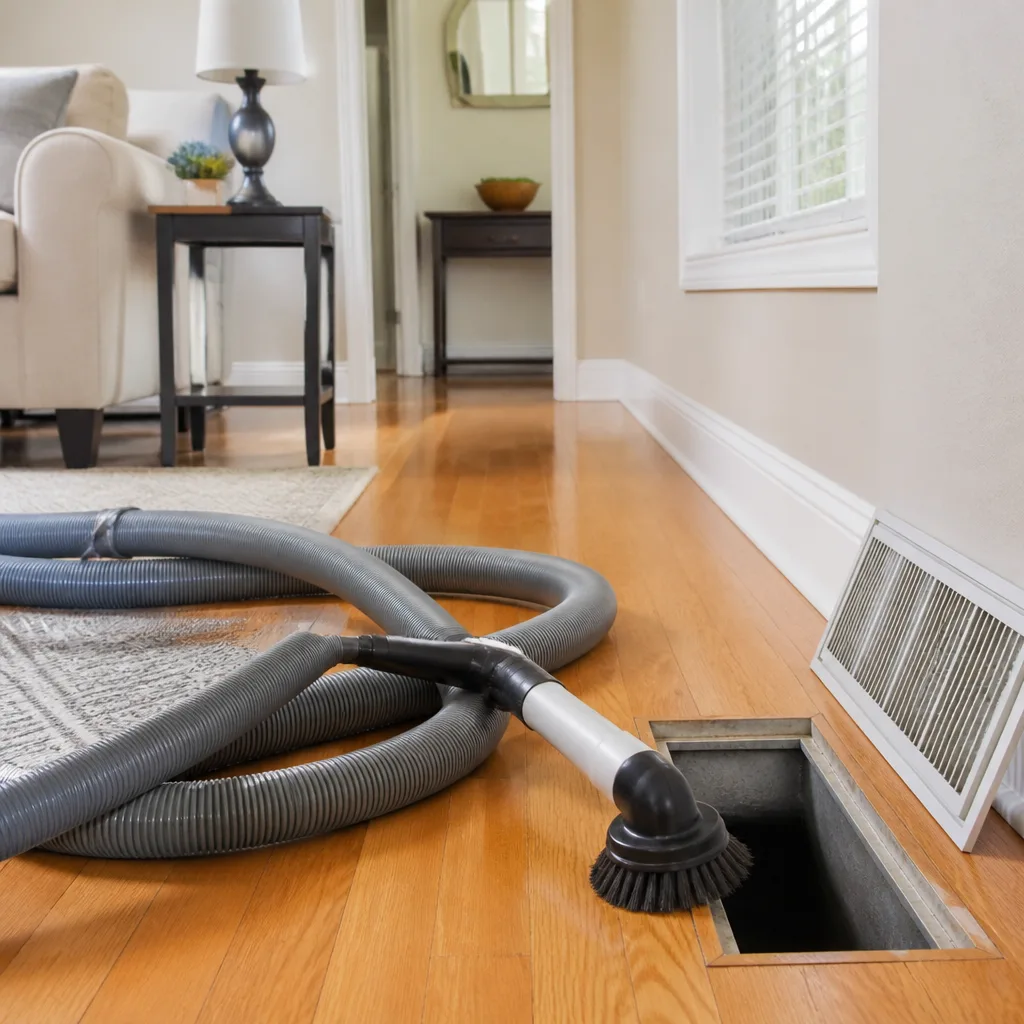 Whole-home duct cleaning
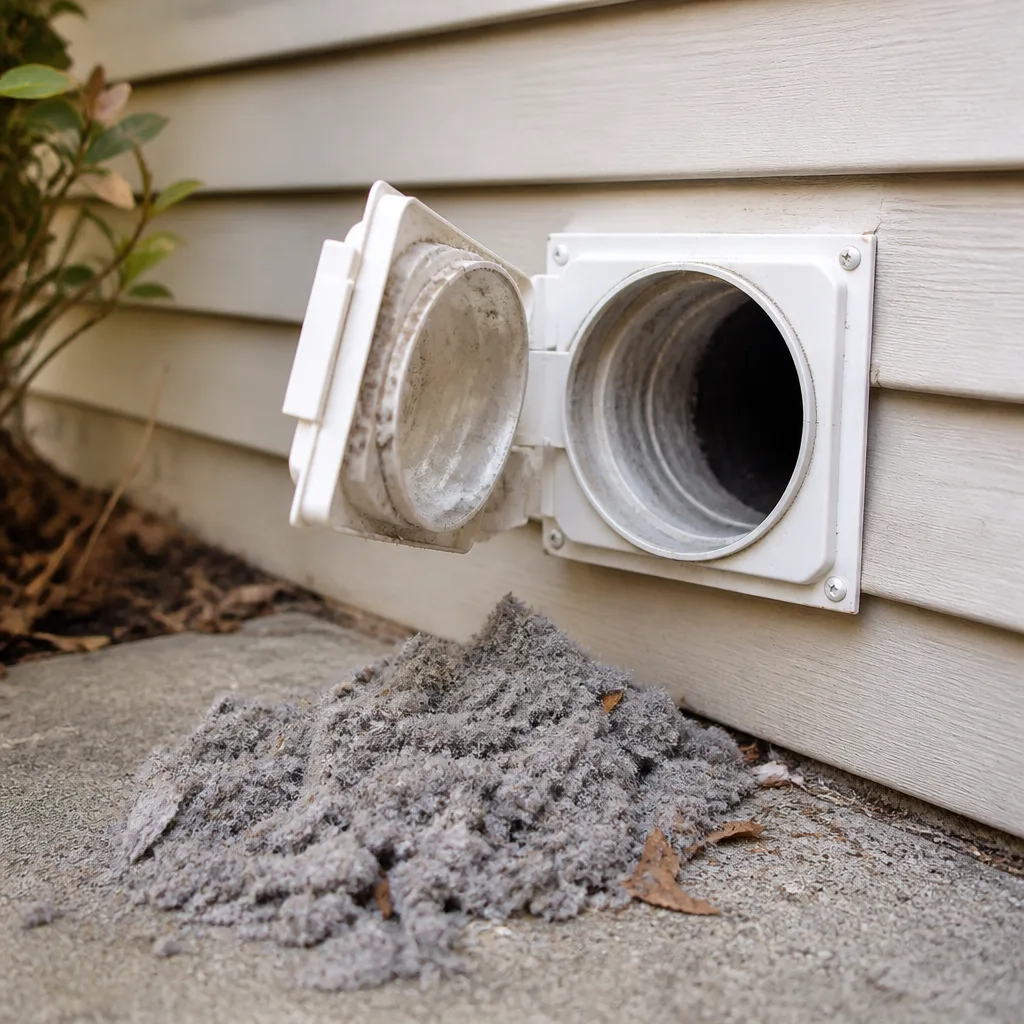 Dryer vent cleaning
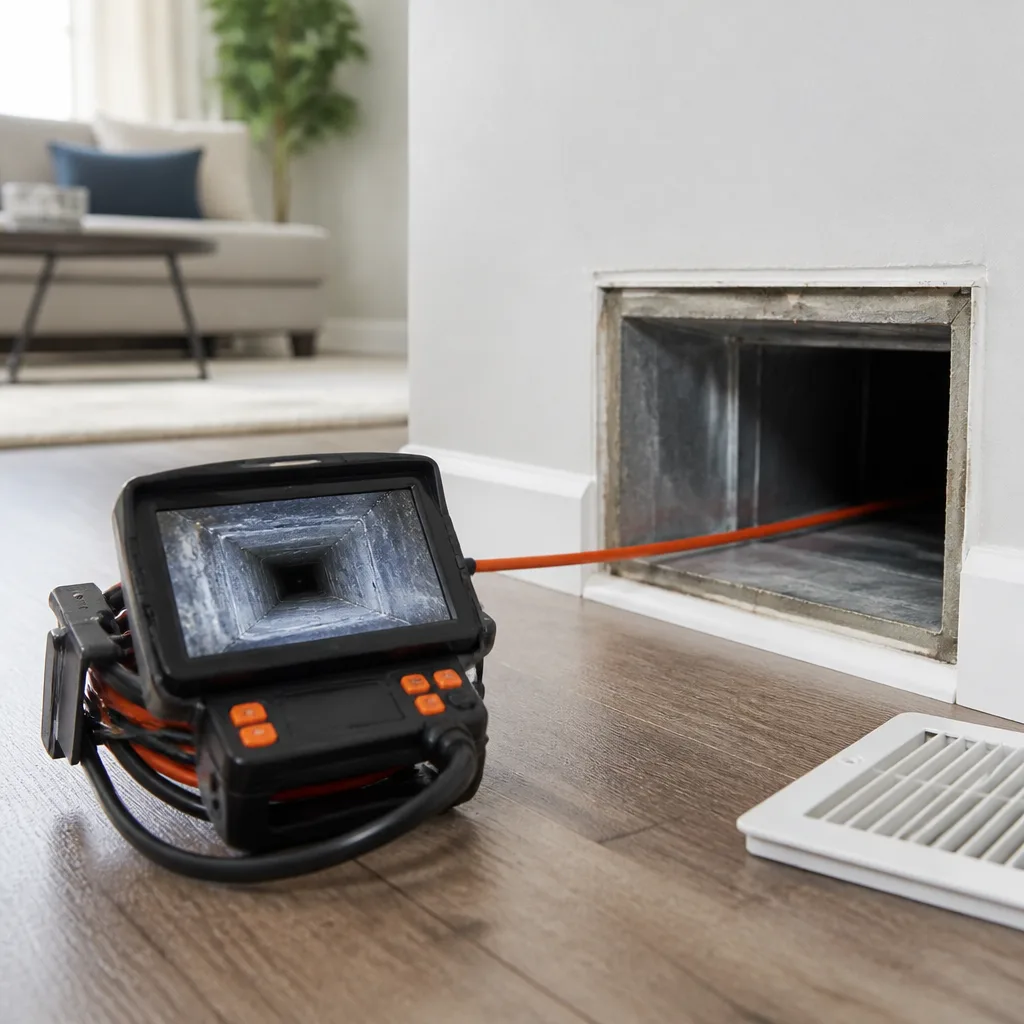 Camera inspection
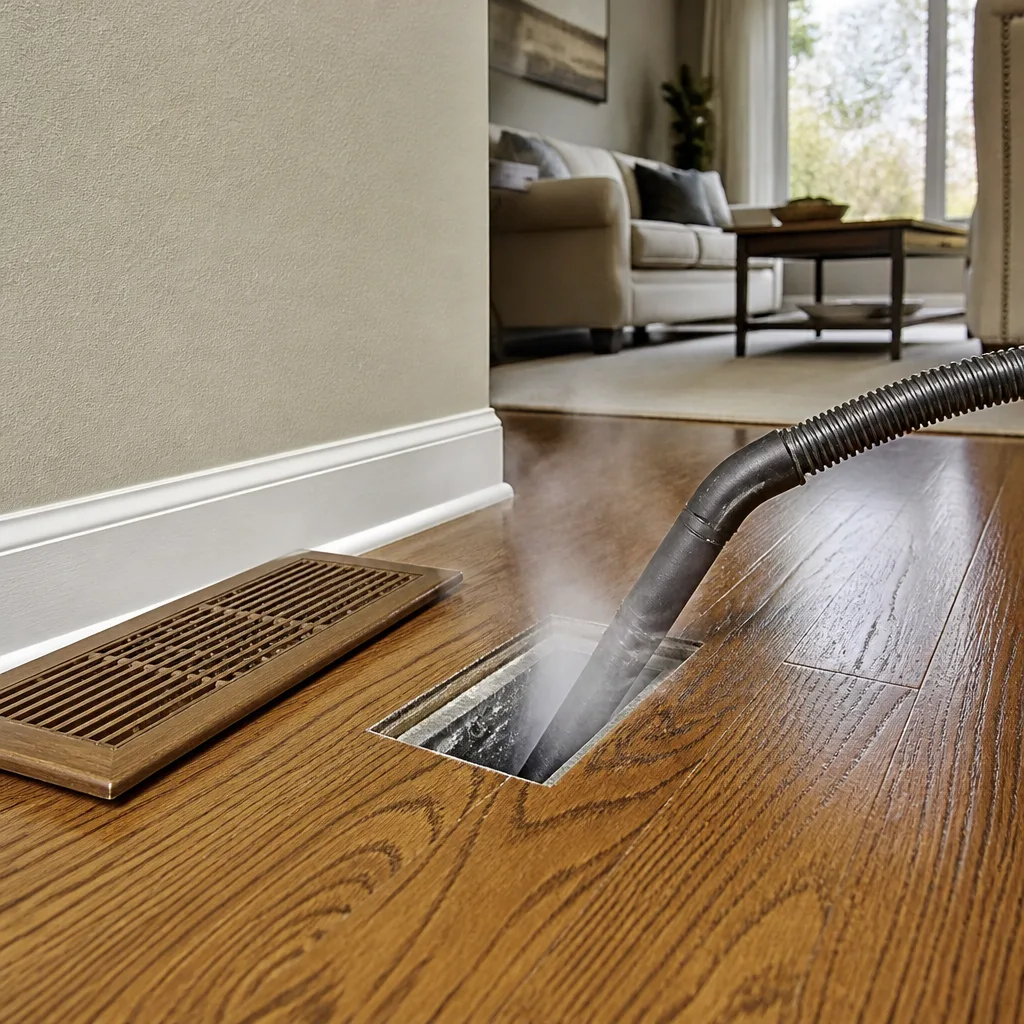 Sanitizing & deodorizing
Whole-system duct and dryer vent check with before-and-after photos - you see exactly what came out of your vents
That "$99 whole-house special" is a bait ad - the real number appears once they are in your hallway, or the "clean" is a shop-vac at the register. We photograph the inside of your ducts before and after instead.
Air Duct Repair Maintenance Checklist for Riverview Homeowners
Most homeowners treat duct cleaning as the whole job. It isn’t. A duct system with a disconnected flex boot, a crushed run, or a failed mastic seal is a system actively losing conditioned air before a brush ever touches it. Cleaning a leaking duct network is like mopping a floor with a leaking pipe above it: you’ll see the difference for a day or two, then the same problem returns. Studies by the Florida Solar Energy Center found that the average Florida home loses 25-30% of conditioned air to duct leakage, which means many Riverview homeowners are cooling their attics more than their living rooms. This checklist walks you through inspecting, repairing, sealing, and logging duct work so the cleaning you pay for actually holds.
Quick Answer
A working duct repair maintenance checklist for Riverview starts with a visual inspection of every accessible duct joint, boot, and flex run, followed by permanent sealing with mastic (not foil tape), a written and dated repair record, and a cleaning pass with mechanically agitating equipment once the system is sealed. Repairing connections before cleaning is what separates a lasting result from a temporary one.
Styles & brands we work with
- Whole-home duct cleaning
- Dryer vent cleaning
- Camera inspection
- Sanitizing & deodorizing
Table of Contents
- Pre-Cleaning Inspection: What to Look For Before a Technician Arrives
- Mastic vs. Foil Tape: Why One Lasts and the Other Fails
- Urgent vs. Schedulable: Signs Your Duct Repair Can’t Wait
- How to Log and Date Repairs for Resale and Insurance
- Riverview Attic Conditions and What They Do to Duct Work
- Questions to Ask Before You Hire a Duct Contractor
- A Practical Duct Maintenance Schedule
- Why Repair Comes Before Cleaning
Pre-Cleaning Inspection: What to Look For Before a Technician Arrives
The 20 minutes you spend in your attic before a duct appointment will tell you more about the job ahead than any phone call. Riverview homes built in the last two decades often have flex duct runs suspended on webbing or strapping, while older homes in neighborhoods like Summerfield, Boyette, and Panther Trace frequently use rigid duct board trunks feeding flex branches. Each setup fails differently, and knowing which one you have shapes the questions you ask.
Walk the attic with a flashlight and look for these specific things. You don’t need tools, and you shouldn’t move insulation or disconnect anything.
- Disconnected flex boots at the register. The inner liner of a flex duct should be secured to the metal collar at the ceiling boot with a zip tie or clamp, then sealed. If you see a gap, a loose flap, or inner liner pulled back to reveal insulation, that run is dumping conditioned air into the attic.
- Crushed or kinked sections. Flex duct that’s pinched under a joist, bent at a sharp angle, or stepped on during a previous trade visit restricts airflow. Crushed runs are common wherever a plumber or electrician has worked since the system was installed.
- Deteriorated duct board. Rigid duct board trunks can sag, crack at seams, or absorb moisture. Look for darkened patches, sagging sections, or visible joint separation.
- Failed mastic at joints. Mastic is a thick grey or white paste applied at seams. When it dries and cracks, it pulls away from the metal. Any joint where the mastic is peeling or gone is a leak.
- Visible dust streaks around boots. A dark ring around a ceiling register usually means air has been escaping past a loose seal for a long time.
- Insulation displacement. Blown insulation that has been pushed away from duct runs or compacted unevenly often indicates air leaks driving the disturbance.
Write down what you see and where. That list becomes the basis for your conversation with any contractor, and it’s the first line in the maintenance record we’ll cover further down.
Mastic vs. Foil Tape: Why One Lasts and the Other Fails
If there’s one thing that separates a duct repair that lasts from one that doesn’t, it’s the sealing material. Mastic sealant is a permanent repair. Foil tape is a temporary patch that fails under attic heat. Both are sold at any hardware store in Riverview, and both get used by contractors who should know better.
Why Mastic Wins
Mastic is a brush- or trowel-applied paste that bonds to metal, flex collar, and duct board, then cures into a flexible seal. It fills gaps, bridges small cracks, and stays adhered through the temperature swings a Florida attic sees every year. Attic temperatures in a Riverview summer routinely climb past 130°F, and a proper mastic seal holds through that cycle without cracking.
Why Foil Tape Fails
Pressure-sensitive foil tape relies on adhesive. Adhesive degrades under heat, dust, and humidity. In our experience, taped joints in a Florida attic often start lifting within one to two cooling seasons, and the leak returns quietly. Foil tape also can’t bridge a gap wider than the tape itself, so any loose boot opening gets “sealed” with a strip that never actually closes the hole.
What a Correct Repair Looks Like
- Inner liner mechanically secured to the collar (zip tie or clamp).
- Mastic applied over the connection and worked into the seam.
- Outer jacket pulled back over the mastic and secured separately.
- Mastic also applied at any rigid duct seams near the boot.
- No foil tape as the primary seal anywhere in the system.
Ask any contractor directly: “Are you using mastic at every joint, or foil tape?” A specialist answers without hesitation. A generalist changes the subject. For a full walkthrough of what a properly sealed and then cleaned system should look like, our air duct cleaning page covers the process step by step.
Urgent vs. Schedulable: Signs Your Duct Repair Can’t Wait
Not every duct issue is an emergency. Knowing which symptoms mean “book it this week” and which mean “put it on the calendar” saves you both money and stress. Here’s how we help Riverview homeowners sort it out.
Signs the Repair Is Urgent
- Wildly uneven room temperatures. If one bedroom stays 8 degrees warmer than the rest of the house no matter what the thermostat says, a major disconnected run is a strong candidate.
- A sudden jump in your utility bill. A bill that climbs sharply with no change in habits usually points to a system pushing air into the attic instead of the living space.
- Visible insulation displacement or blown-in debris on the attic floor. Air escaping at pressure disturbs surrounding insulation, and the pileup is a clear signal.
- Dust blowing out of a register after the system has been cleaned. This often means a nearby run is dumping dust from the attic into the airstream.
- A collapsed run feeding a bedroom or main living area. A crushed trunk starves the whole zone and strains the blower.
Signs the Repair Can Be Scheduled
- A single small leak at a duct board seam that isn’t affecting comfort.
- Mastic peeling at one accessible joint with no other symptoms.
- Minor kinks in a run that’s still delivering adequate airflow.
Either way, don’t wait for a cleaning appointment to address repair. Bundle both so one trip covers the whole system. In our experience, homeowners who clean first and repair later end up paying for the same trip twice, and the clean never holds the way they expected.
How to Log and Date Repairs for Resale and Insurance
A duct maintenance log is one of the cheapest pieces of home documentation you can keep, and almost no one does it. When you go to sell a Riverview home, or when an insurer asks about the condition of the HVAC system, a dated record of what was repaired, when, and by whom is worth more than a stack of receipts in a junk drawer.
What to Record for Each Repair
- Date of service. Exact day, not just month.
- Technician name and company. Even if you hired an independent contractor, log who did the work.
- Location of the repair. “Master bedroom supply boot” beats “somewhere in the attic.”
- Type of repair. Disconnected boot reattached, run replaced, mastic applied, duct board patched.
- Materials used. Mastic brand, flex duct type, sealant type.
- Before-and-after photos. Any specialist who stands behind the work will have these. Ask for copies and keep them with the log.
- Invoice and written estimate. Keep the estimate and the final invoice together. The written estimate sets the final price, and having both documents protects you if a dispute ever comes up.
Keep the log in a physical folder and a cloud copy. When a home inspector walks a Riverview property for a resale, they will look at the HVAC distribution system and they will ask for history. A clear log answers the question before it’s asked and often eliminates the back-and-forth that follows an inspection report.
Riverview Attic Conditions and What They Do to Duct Work
An attic in Riverview is not a mild environment. Summer surface temperatures on duct board and flex jackets routinely run hot enough to accelerate adhesive failure, dry out mastic that was applied too thin, and stress mechanical connections at every boot. Winters are mild, which does give duct work a break compared to colder climates. You won’t see freeze-related condensation issues here the way northern homeowners do. But the long cooling season means more expansion and contraction cycles than most of the country sees.
Two conditions matter most:
- Sustained attic heat. Adhesives, tapes, and poorly applied mastic all fail faster here than they would in a mild climate. This is why foil tape fails so quickly and why mastic has to be applied correctly the first time.
- High humidity. The same humidity that makes a Riverview afternoon feel like a sauna also works on duct insulation and duct board. Anywhere a seal has failed, moisture finds a path and insulation can take on water. Waterlogged insulation loses R-value and becomes a breeding ground for biological growth.
What this means practically: inspect duct joints at least once a year, and after any major work (a new HVAC install, an electrical panel upgrade, a plumbing job in the attic). Trades that walk through an attic routinely step on flex runs, and one crushed section can undo a lot of careful sealing elsewhere. Neighbors in Waterview and Rivercrest with older homes should look particularly close at duct board trunks, which tend to crack along seams as they age.
Questions to Ask Before You Hire a Duct Contractor
The duct industry has a wide range in how work gets done. Two contractors with two identical quotes can deliver completely different results. The questions you ask on the phone tell you which one you’re dealing with.
Ask About the Cleaning Method
“What equipment do you use?” The answer you want to hear names mechanical agitation, not just a truck-mounted vacuum with a hose. Our team uses Rotobrush rotary-brush extraction for the cleaning itself, because the rotary brush physically contacts duct walls instead of relying on air pressure alone. Push-and-pull air-only cleaning grabs loose debris but leaves the film that’s adhered to the duct. For the full picture on what a proper clean involves, our Duct Cleaning Riverview page breaks down the process.
Ask About Containment
“Are you using negative air and HEPA filtration while you work?” Nikro negative-air machines and Abatement Technologies air scrubbers keep debris from drifting back into living spaces. A contractor who can’t name containment equipment is almost certainly going to stir up more dust than they remove.
Ask About Repair Capability
“When you find a disconnected boot or a cracked joint, do you repair it, or is that a separate contractor?” This is the question that gets skipped most often, and it’s the one that matters. A contractor who only cleans is going to clean around the problem and move on. Abatement and repair capability in one visit is what makes the clean last.
Ask About After-Cleaning Filtration
“Do you offer filtration upgrades?” If a home is heavily occupied, has pets, or has had visible dust issues, a post-cleaning filtration upgrade changes long-term air quality. We supply and install Aprilaire and Honeywell filtration products, and we recommend them when the home’s air quality history calls for it. A contractor who disappears after cleaning can’t help with this.
A Practical Duct Maintenance Schedule
You don’t need a complicated schedule. A short, repeatable routine is enough to catch problems before they become expensive. Here’s the schedule we recommend to Riverview homeowners.
Every Season
- Change the HVAC filter. Every three months at minimum, more often with pets or heavy dust. Use the size the system asks for, not the cheapest option on the shelf.
- Note any change in room comfort. A room that used to cool well and now doesn’t is a signal. Write it down somewhere you’ll see it again.
- Listen at the registers. A register that feels weaker than the rest, or one that blows warm air in the middle of summer, is a symptom worth logging.
Once a Year
- Attic walkthrough. A flashlight, five minutes, and the six-point visual inspection covered earlier in this guide.
- Dryer vent check. A lint clogged dryer vent is a fire risk, and it’s one of the most overlooked maintenance items in any home. Our dryer vent cleaning service is booked as a standalone fire-prevention visit, separate from duct cleaning, because it’s a different risk and deserves its own attention.
- Review the repair log. Update it with anything new. Two minutes of writing now saves half an hour of reconstruction at resale.
Every Few Years
- Full duct cleaning if the system hasn’t been serviced in a long time or the home has been through a renovation. Repair first, then clean.
- Filter or media upgrade review if a household member has developed new allergies, a pet has come into the home, or the system has been running harder than usual.
Why Repair Comes Before Cleaning
Cleaning a system that’s still leaking is one of the most common – and most expensive – mistakes we see in Riverview. A disconnected boot or a failed mastic joint will pull attic air back into the airstream within hours of the clean. Every subsequent system cycle pushes that air through the ducts. This is why we treat duct repair as a prerequisite to cleaning, not an upsell tacked onto the invoice afterwards. If we find a problem during the pre-cleaning inspection, we fix it, then clean.
What “Repair First” Looks Like in Practice
- Inspect. Every accessible joint, boot, and run.
- Seal and repair. Mastic, mechanical securing, flex replacement, duct board patching. One visit.
- Contain and clean. Rotobrush rotary brush extraction with Nikro negative-air and Abatement Technologies filtration holding the airstream.
- Photograph and hand over. Before-and-after photos of the customer’s own ductwork, not stock images.
- Log. Every repair dated, described, and filed with the customer for resale and insurance purposes.
That’s the full lifecycle, and it’s why we handle cleaning, repair, and dryer vent work as one specialty rather than referring out. You’ll see a wider summary of how we approach duct work across the area on our Riverview page.
Common Mistakes to Avoid
- Cleaning before repairing. If a boot is disconnected, the clean never holds. Repair first, then clean, always. This is the single biggest mistake we see in Riverview.
- Accepting foil tape as a permanent repair. Foil tape has its place in an emergency, but it lifts within a season or two in a Florida attic. If a contractor tapes a joint and calls it done, ask for mastic.
- Skipping the pre-inspection. A homeowner who walks the attic first knows what’s wrong before a technician arrives, which matters when you’re comparing quotes that only mention cleaning.
- Bundling dryer vent cleaning into the “same visit” without real attention. Lint buildup is a fire risk and deserves its own thorough pass. A rushed five-minute check at the end of a duct cleaning isn’t a proper dryer vent service.
- Ignoring uneven room temperatures. A hot bedroom is not just a comfort problem. It’s the most reliable early indicator of a disconnected or crushed run in a Riverview home.
- Choosing the lowest quote without asking about equipment. A truck-mounted blower and a Rotobrush rotary system are not interchangeable. Ask what the crew will actually use in your attic.
- Failing to keep a repair log. No record means no proof at resale, no history for insurance, and no way to know what was done and when.
See the difference
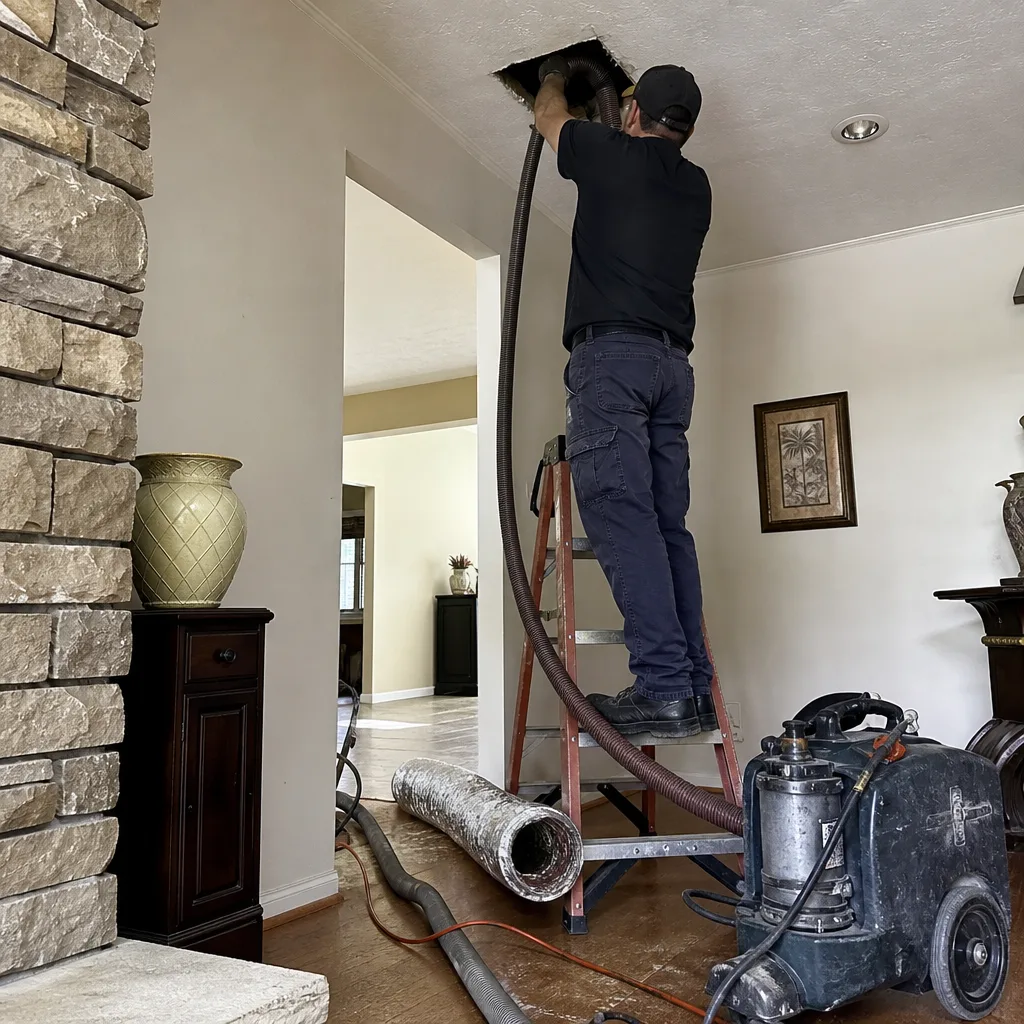 Before
 After
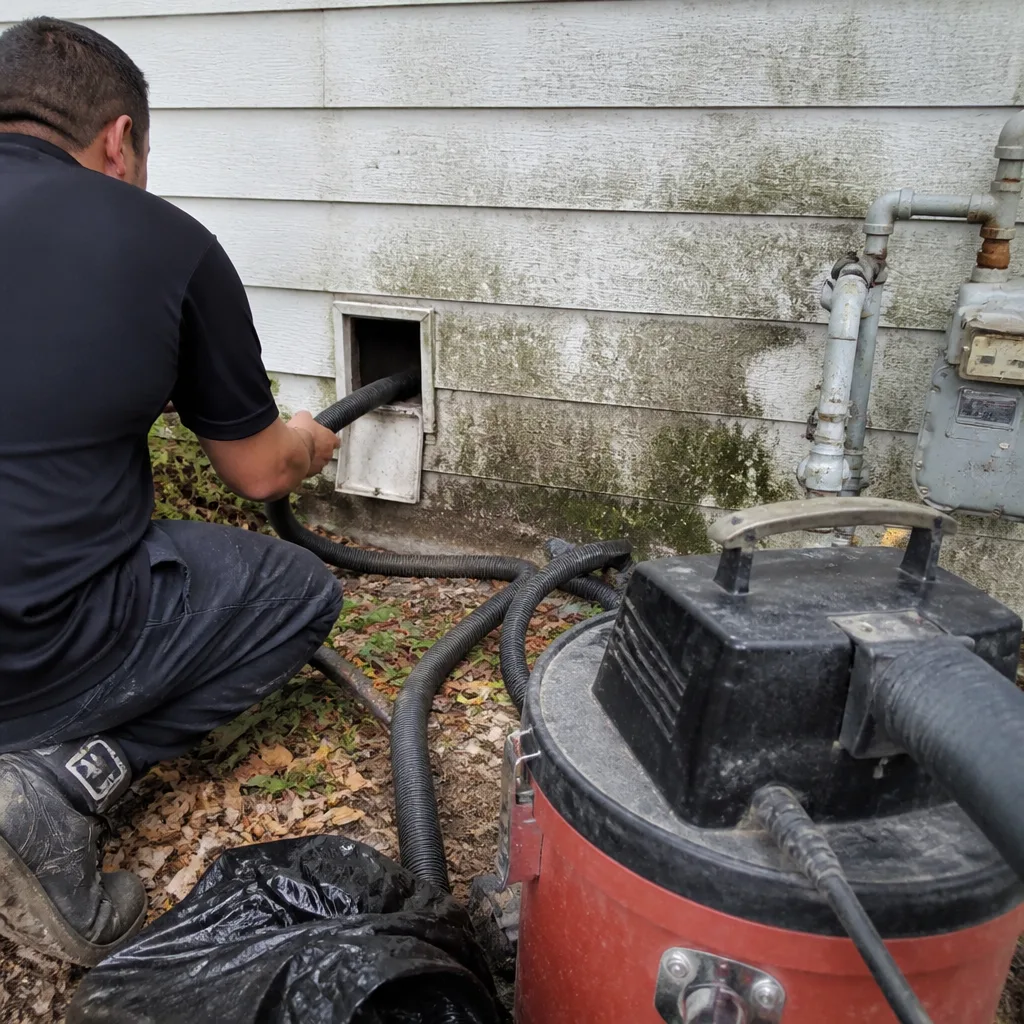 Before
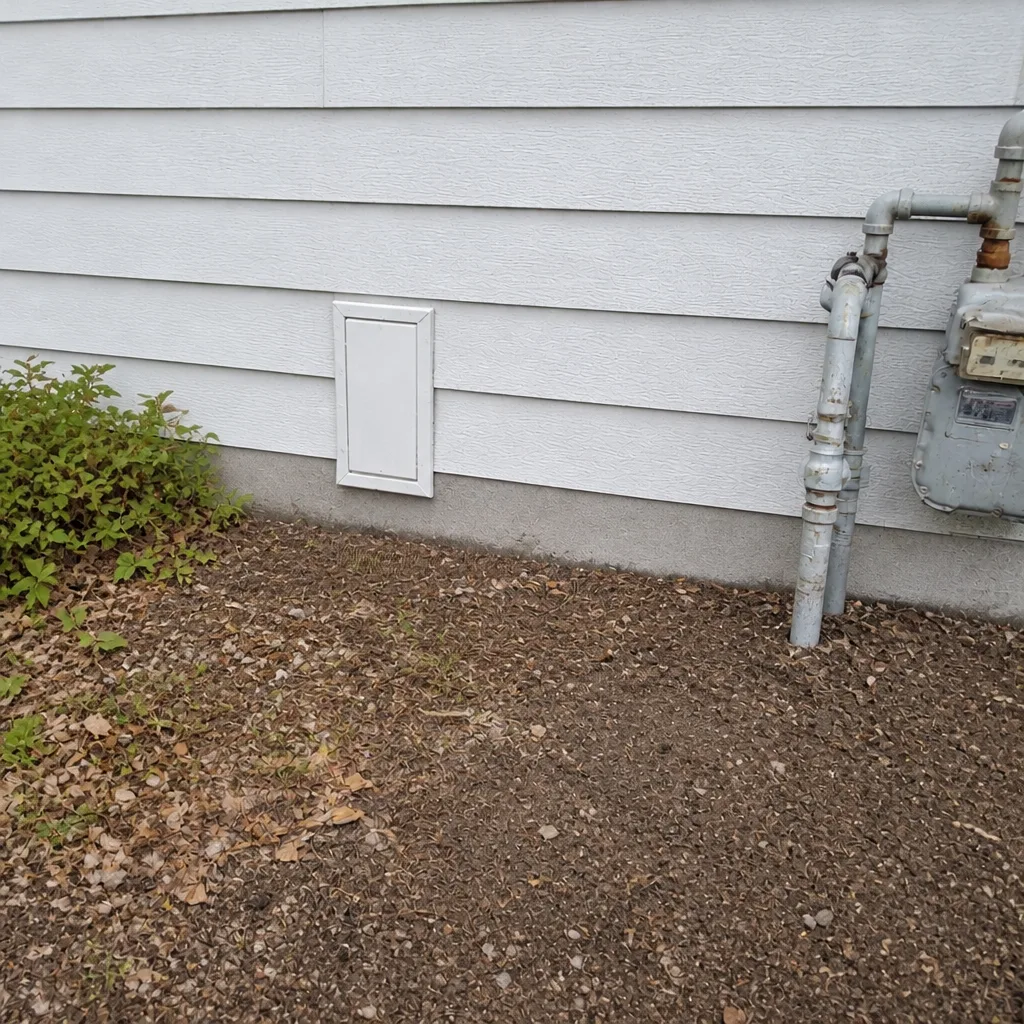 After
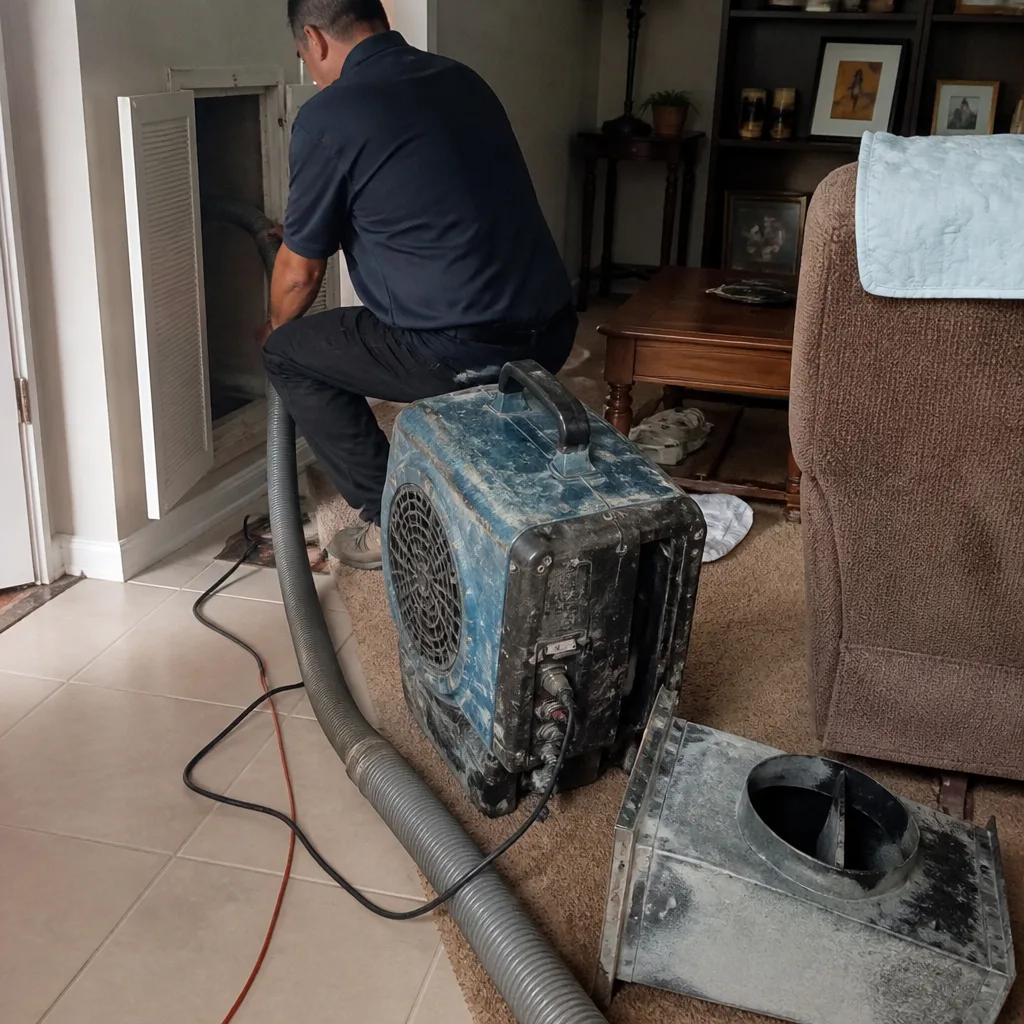 Before
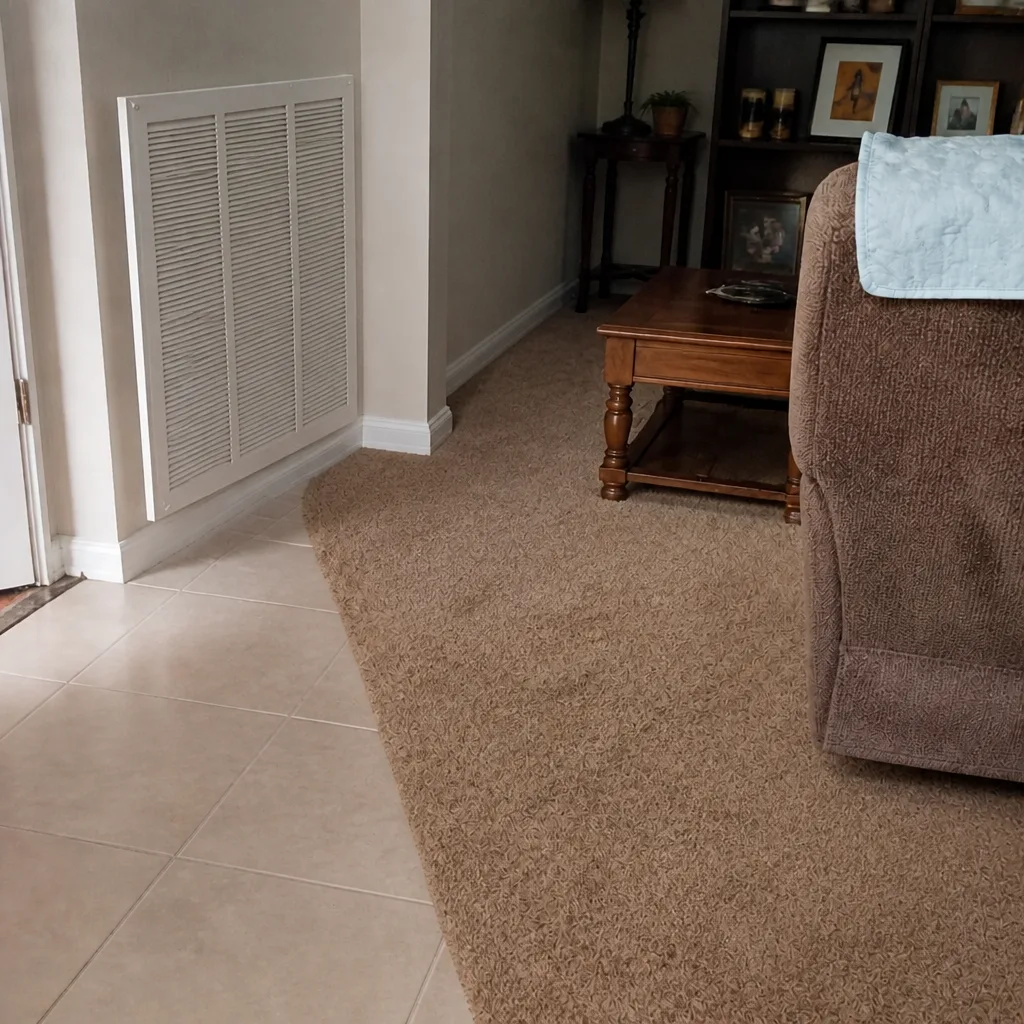 After
When to Call a Professional
Some duct problems are safe to note in the log and schedule for the next visit. Others need a specialist on-site. Call us when a room has gone from comfortable to noticeably hot, when your utility bill has climbed without a lifestyle change, when you spot a disconnected flex boot at a register, when you see cracked mastic or deteriorated duct board on a walkthrough, when dust is blowing out of a register, or when you haven’t had the system cleaned and repaired in several years and don’t have a record of what was done. Duct Cleaning Riverview offers free estimates in Riverview. Call (866) 293-1514. We answer 24/7. Fast dispatch from 7am to 7pm, Sunday through Friday. One flat price per system, agreed in writing before any work starts, with before-and-after photos of your own ducts handed over at the end.
Frequently Asked Questions
Air duct cleaning and repair in Riverview is priced per system, not per vent, and every job is set by a written estimate before work begins. Whole-system cleaning typically falls in a range that depends on system size, accessibility, and how much repair is needed; repair is quoted separately so you can see what you’re paying for each part of the job. The written estimate sets the final price. Call (866) 293-1514 for a free estimate.
Because a clean duct system that’s still leaking pulls attic air back into your living space within hours. A disconnected boot or failed mastic joint means the clean never fully holds, and you’re re-contaminating the system every time the air handler runs. Repair first, then clean, is the sequence that produces a result that lasts.
Mastic is a permanent seal that bonds and stays adhered through the heat cycles a Florida attic sees. Foil tape is a temporary adhesive patch that typically lifts within one to two seasons in attic heat. Ask any contractor directly whether they’re using mastic or tape at each joint, and expect a straight answer.
At least once a year, and after any major work in the attic such as a new HVAC install, a plumbing repair, or electrical work. Trades that walk through an attic step on flex runs and crush them, and one crushed run can undo careful sealing elsewhere. A five-minute walkthrough once a year catches most of it.
Ask for before-and-after photos of your own ducts, not stock images, and a written repair log with dates and locations. A specialist will hand both over without being asked. This single step eliminates the uncertainty that comes with contractors who show up, clean, and disappear without documentation.
We won’t, because cleaning a leaking system produces a result that won’t hold. If a pre-cleaning inspection finds a disconnected boot, a crushed run, or failed mastic, we fix it before any cleaning equipment goes to work. In our experience, a clean on an unsealed system is money spent twice.
The Bottom Line
A duct system in Riverview is not just a delivery network for cool air. It’s a set of connections that either hold or leak, and the difference shows up on your utility bill, in room temperatures, and in the maintenance record you hand over when you sell. The checklist is not complicated: inspect before cleaning, seal with mastic rather than tape, repair before cleaning, log every repair with dates and photos, and inspect once a year. That’s the whole sequence. Duct Cleaning Riverview handles cleaning, repair, and dryer vent work as one specialty, with Rotobrush, Nikro, and Abatement Technologies equipment on every job, plus Aprilaire filtration upgrades for homes that need them. Call (866) 293-1514 for a free estimate. We answer 24/7. Fast dispatch from 7am to 7pm, Sunday through Friday. One flat price per system, agreed before work starts, with before-and-after photos of your own ducts in your hands at the end.
Written by the team at Duct Cleaning Riverview.