
Last updated November 16, 2026
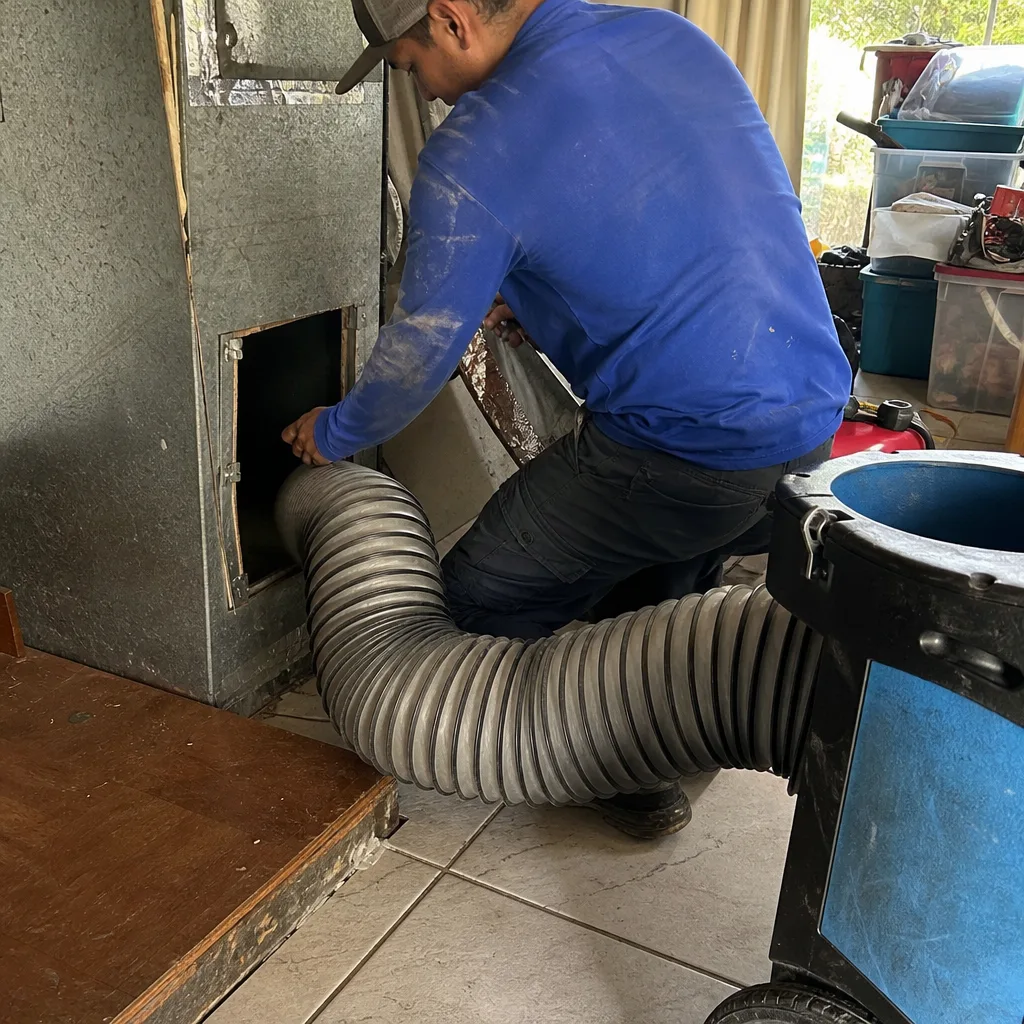
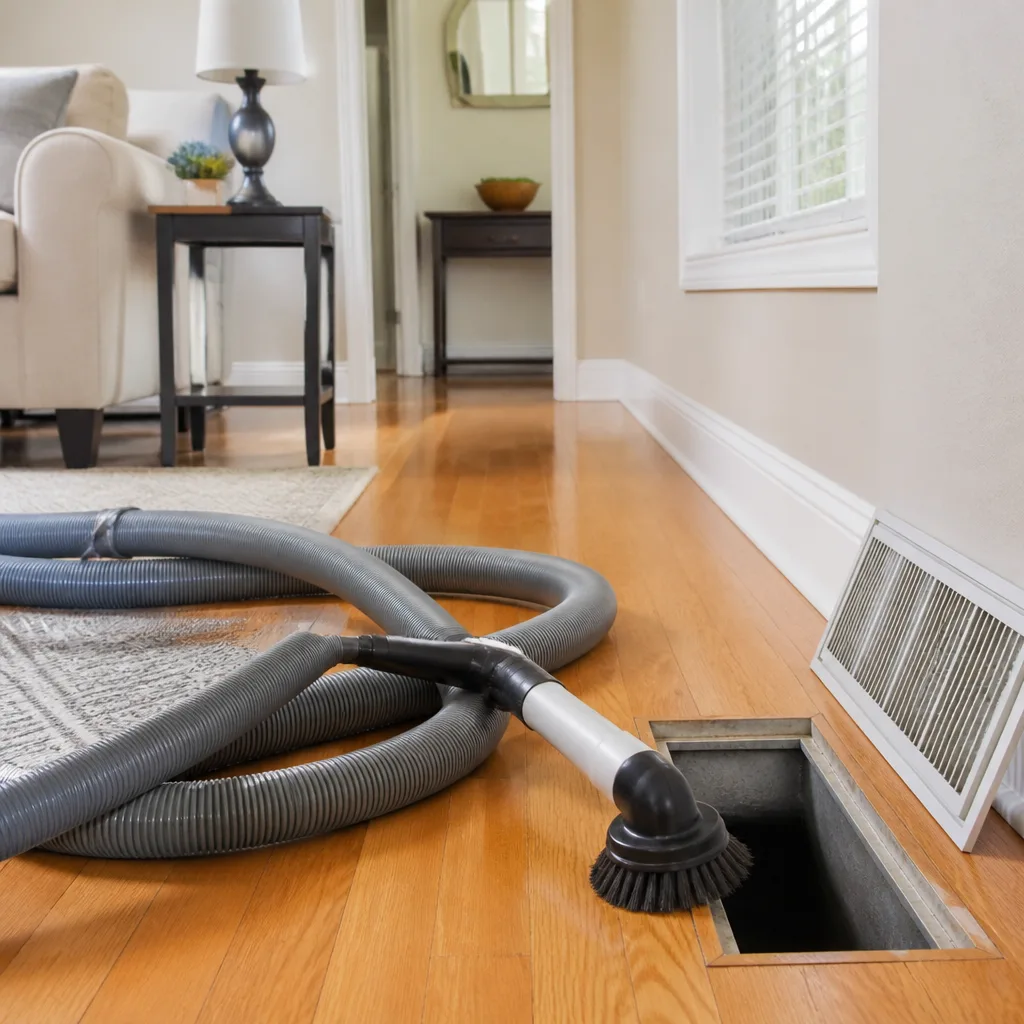 Whole-home duct cleaning
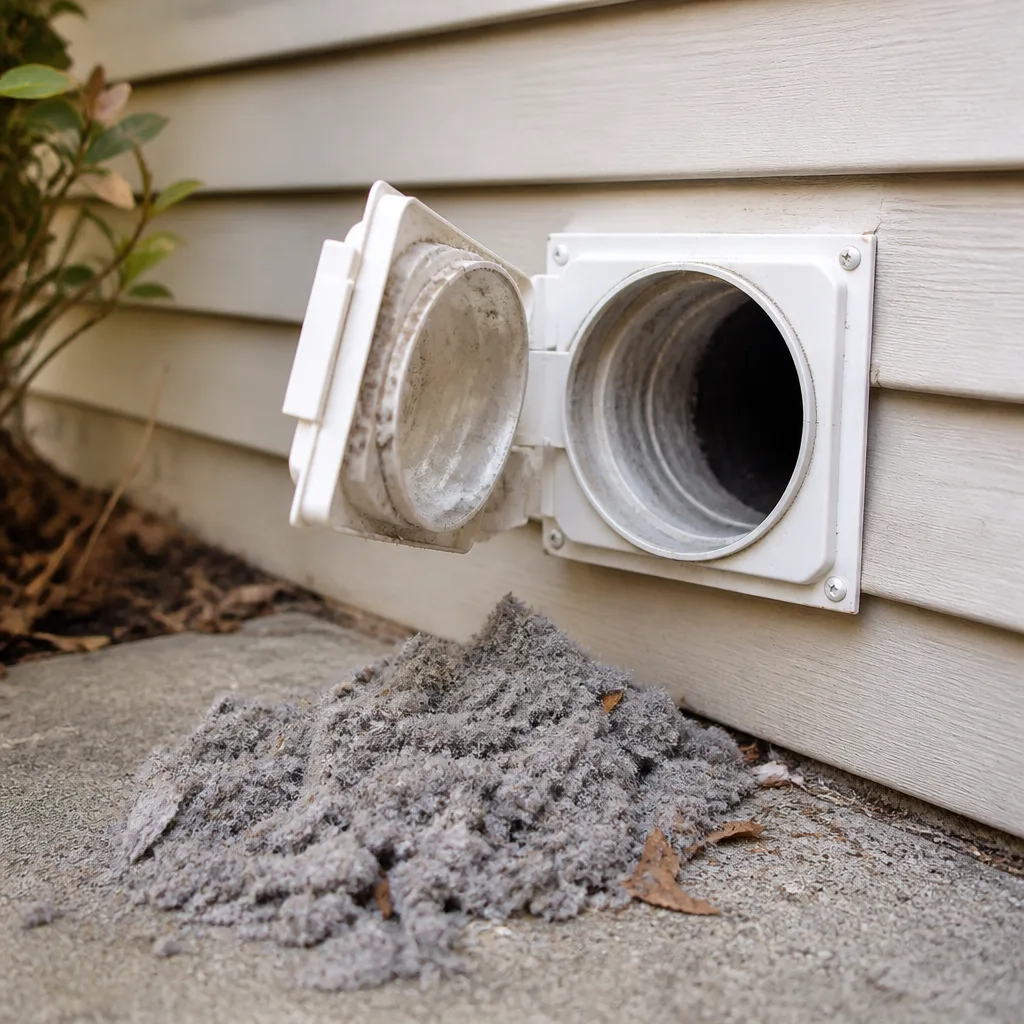 Dryer vent cleaning
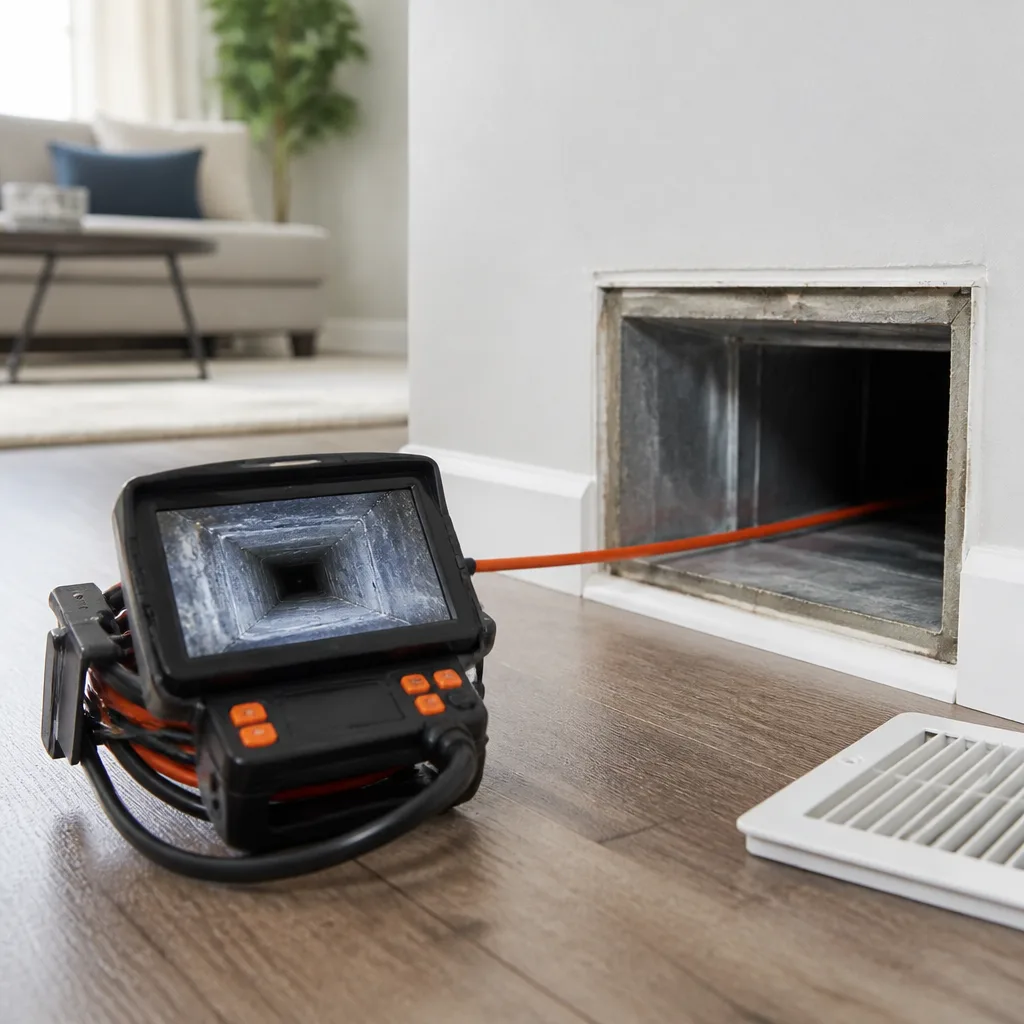 Camera inspection
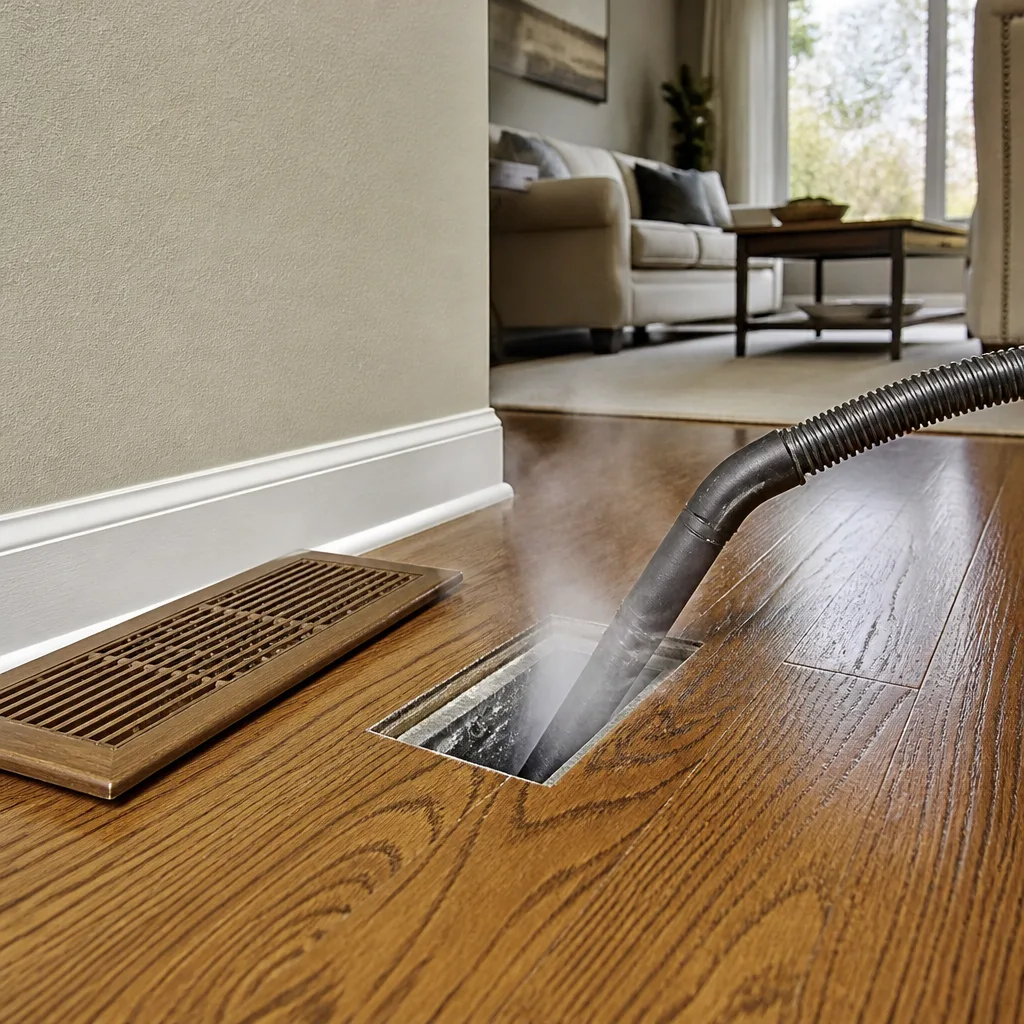 Sanitizing & deodorizing
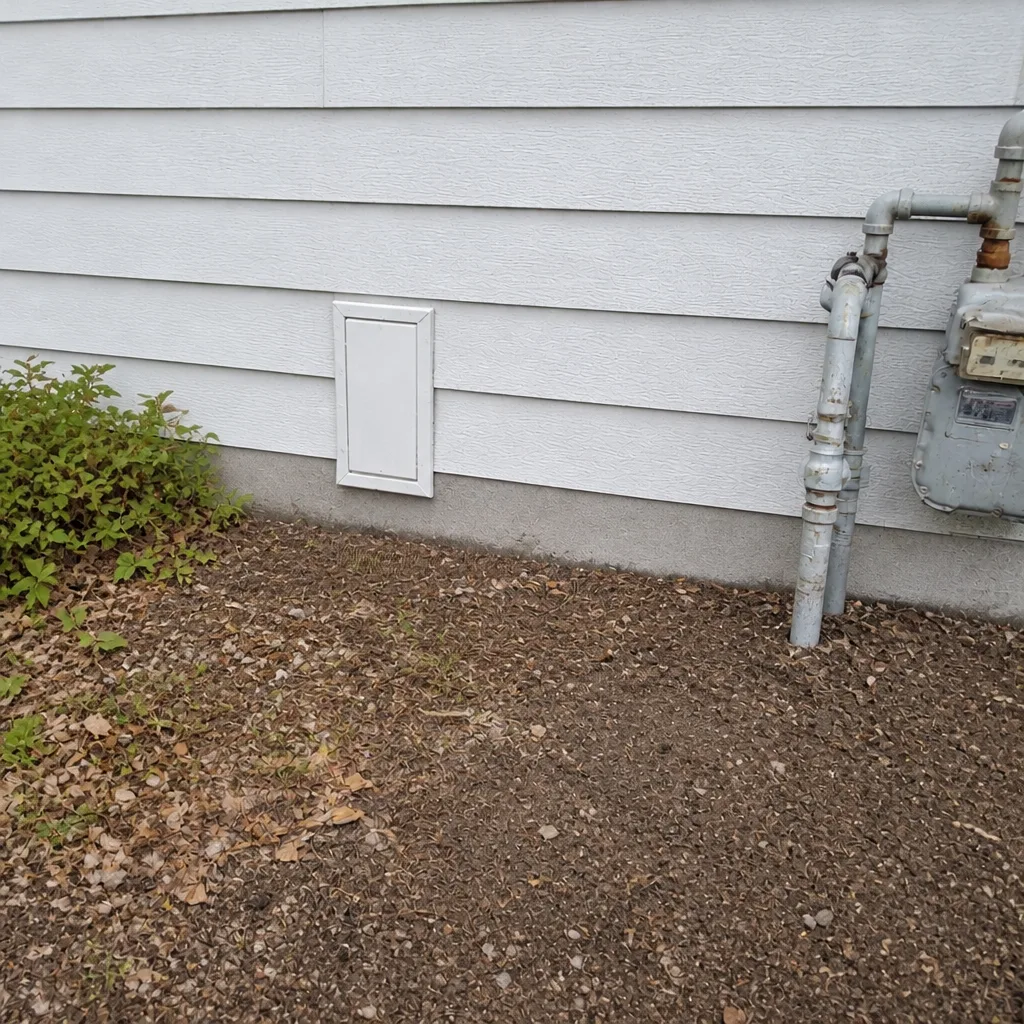
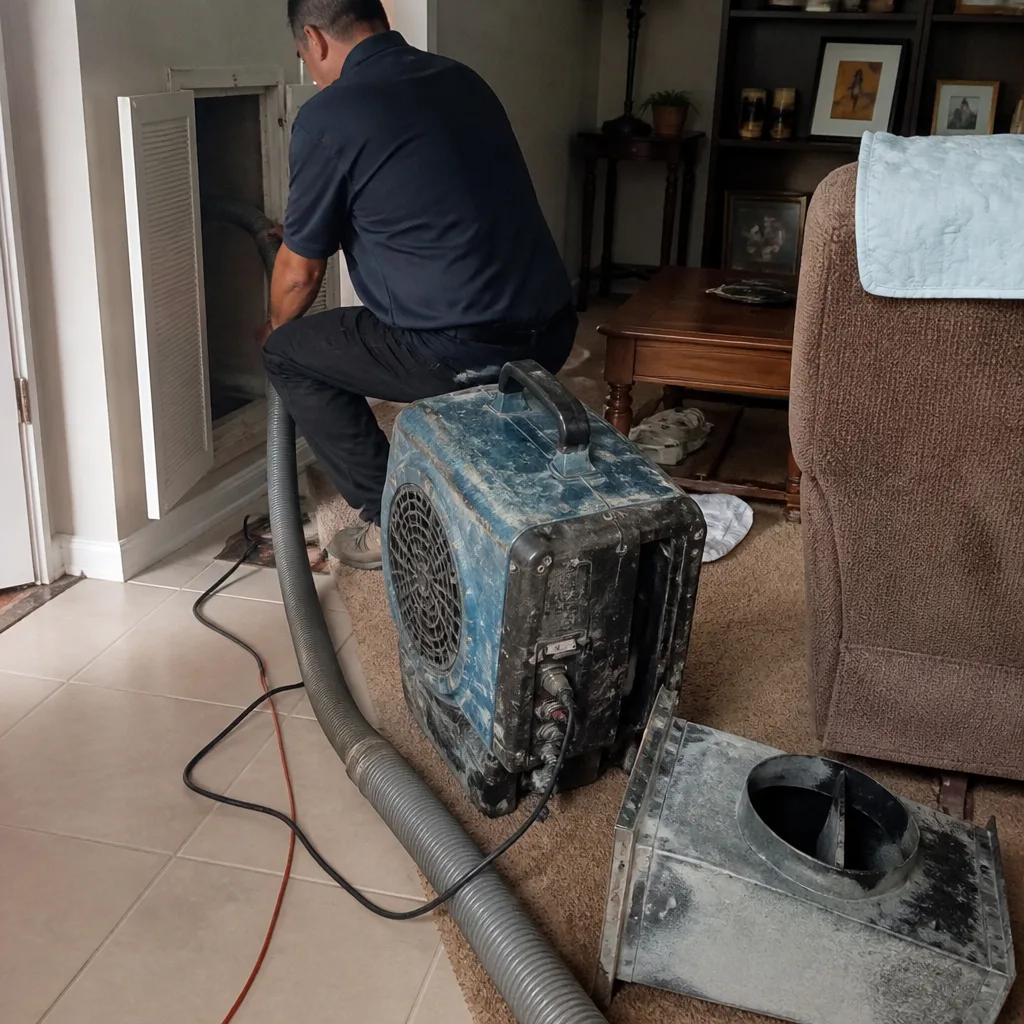
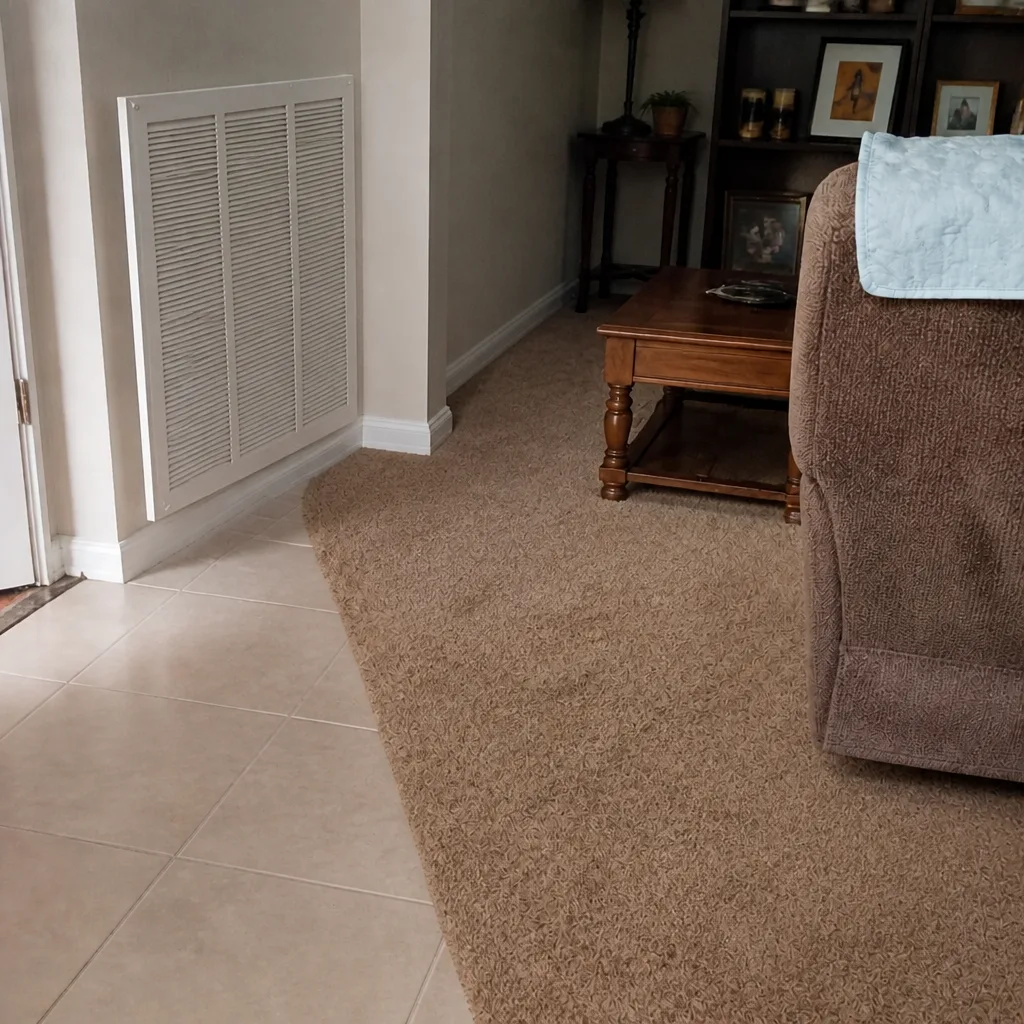
Whole-system duct and dryer vent check with before-and-after photos - you see exactly what came out of your vents
That "$99 whole-house special" is a bait ad - the real number appears once they are in your hallway, or the "clean" is a shop-vac at the register. We photograph the inside of your ducts before and after instead.
DIY vs Professional Air Duct Cleaning: The Riverview Homeowner’s Decision Guide
Most people assume duct cleaning is a sliding scale: pay less, get a lighter version of the same thing. That assumption falls apart the moment you look at the tools. A brush kit from a home improvement store cleans roughly 18 inches of duct from a register opening. A Rotobrush system reaches and mechanically agitates the full run. These aren’t the same job at different price points; one physically cannot do what the other does. This guide separates the maintenance tasks a Riverview homeowner can genuinely handle from the ones where consumer equipment reaches its limit, and shows where the money actually goes on a professional job.
Quick Answer
DIY duct maintenance is worth doing for register cleaning, filter changes, and visual checks, but it cannot clean duct interiors because consumer tools produce nowhere near the airflow needed for source removal. A professional job pulls debris toward a negative-pressure machine at the air handler and scrubs duct walls mechanically. In Riverview, most homes land between $350 and $700 for a whole-system clean, depending on the number of runs and how much has built up.
Styles & brands we work with
- Whole-home duct cleaning
- Dryer vent cleaning
- Camera inspection
- Sanitizing & deodorizing
Table of Contents
- The Physics Problem: Why Suction Matters More Than Brushing
- What DIY Maintenance Actually Accomplishes (And What It’s Worth)
- When DIY Makes Contamination Worse
- Cost in Riverview: Where the Numbers Land
- Using DIY Between Professional Cleanings
- How to Evaluate a Professional Quote in Riverview
- Common Mistakes to Avoid
- When to Call a Professional
The Physics Problem: Why Suction Matters More Than Brushing
Source removal is the standard for any real duct cleaning, and source removal runs on vacuum volume. A professional negative-air machine generates 2,000 to 4,000 cubic feet per minute of suction at the air handler, which is roughly ten to twenty times what a household shop vac produces. That’s the number that matters. A shop vac with a 2-inch hose sealed against a register can pull maybe 150 to 250 CFM through the run if you’re lucky. The loose dust comes up. The embedded film on the duct wall does not.
Rotobrush rotary-brush systems solve the second half of the problem. The brush head physically contacts the duct wall, breaking the bond between the debris and the galvanized surface, while the negative-air machine pulls the loosened material down the trunk and into a HEPA-filtered capture unit. Two machines working opposite directions: one loosens, one captures. That’s the mechanism. Consumer equipment has one brush and no capture beyond what the brush is attached to.
For light-commercial and residential systems in Riverview, the same principle applies. Florida homes tend to run their AC more months of the year than most of the country, so a return duct that hasn’t been cleaned in five or six years often carries a thicker film than you’d expect. Warm, humid air coming back through a return line also encourages biological growth on duct surfaces, which is a different problem from dust and needs mechanical agitation to address, not just airflow.
- Source removal requires the debris to be captured, not just loosened.
- Negative pressure is the mechanism that captures it. Without it, brushing spreads dust into the room.
- HEPA filtration on the vacuum exhaust keeps sub-micron particles from blowing back into the living space.
- Mechanical contact on the duct wall is what separates a real clean from a blow-and-go.
The bottom line for Riverview homeowners: if a company shows up with a shop vac and a length of flexible hose, they’re not doing source removal. They’re doing a light surface skim, and you’ll see the difference in your filter the following month.
What DIY Maintenance Actually Accomplishes (And What It’s Worth)
We’re not going to tell you DIY duct care is pointless. Several tasks genuinely improve indoor air quality when done consistently, and they extend the interval between professional cleanings. Here’s what to do and how often.
- Clean the supply and return registers. A damp microfiber cloth on the finned grilles once a month pulls out the dust that never makes it into the duct in the first place. That’s real load reduction.
- Vacuum the return grille face. Use a brush attachment on a household vacuum to lift the visible dust mat from the grille prior to pulling the filter. Fewer particles in the return means fewer particles in the system.
- Inspect the filter monthly, replace it as needed. In Riverview’s climate, AC runs most of the year, so filters load faster here than the “change every three months” advice suggests. Check month one; replace when you see visible dust loading.
- Look for problems. Remove a register cover, shine a flashlight into the visible run, and look for dark streaks, moisture, or visible mold on the duct lining. Photograph what you see. This is information the technician at your next appointment needs.
- Check the condensate pan and drain line. A clogged drain line promotes humidity inside the air handler, which promotes biological growth in the ducts. Empty the pan if it’s holding water and clear the visible drain.
- Verify the return duct path stays sealed. A disconnected duct in a crawlspace or attic pulls unconditioned air into the system. If you can see the joints, look for gaps and confirm flex runs haven’t kinked or collapsed.
Those six tasks together might cost you an hour a month and a box of filters. That’s worth the time. What they don’t do is clean the interior surface of the trunk line, the branch runs behind walls, or the interior of the air handler cabinet.
What DIY doesn’t touch, and what actually accumulates over five to ten years, is the film that develops on the inside of the duct walls: dust that’s bonded to the metal, mixed with moisture and organic material. That’s what air duct cleaning is designed to remove.
When DIY Makes Contamination Worse
This is the section most DIY guides skip, and it’s the one that matters most. Attempting to clean duct interiors with consumer equipment can make the situation measurably worse. Here’s how, specifically.
- Disturbing settled debris without capture. The dust layer sitting on the bottom of a supply run is no longer suspended in the air, which is a good thing. Brush it without a connected negative-air machine and you re-suspend it into the whole system, where it settles on the air handler coil or blows into the room.
- Spreading mold spores. Brushing visible growth off a duct surface without HEPA filtration on the downstream capture exhaust sends spores through the system and out every supply. The problem is now in more rooms than it started in. Biological growth deserves to be handled with containment.
- Puncturing flex duct. Consumer brush kits are often too stiff for flex runs. A pinhole in a flex duct becomes an unfiltered leak into a crawlspace or wall cavity, which is worse than the dust you started with.
- Wet-dust situations. If you’ve already documented moisture on a duct wall, brushing with a wet or damp brush can smear organic growth across a larger surface. This is a job for a technician with mold remediation experience and the equipment class that goes with it.
- Removing and reinstalling registers improperly. Poorly reseated register grilles leak air into wall cavities, and that air is unconditioned. That’s a small energy penalty and a larger pathway for debris.
If you’re seeing what looks like mold growth in the duct, stop. Don’t brush it. Don’t spray anything. Document it with photographs and schedule an inspection. In our experience, biological growth in a Riverview duct system often traces back to humidity control issues at the air handler, which is a different conversation than a standard clean.
Cost in Riverview: Where the Numbers Land
Professional air duct cleaning in Riverview typically runs $350 to $700 for a whole-house system with a normal number of vents. Add-ons like dryer vent cleaning, additional returns, or heavy biological remediation push the total higher. DIY costs $60 to $150 in supplies, and reaches about 10% of the result.
Here’s the honest breakdown of what each path costs and delivers.
| Task | DIY Cost | Professional Cost (Riverview typical) | What DIY Actually Delivers |
|---|---|---|---|
| Register and grille cleaning | $0-$20 (cloth, brush) | Included in whole-system clean | Same result – do this yourself |
| Filter maintenance | $15-$25 per filter | Same – homeowner responsibility | Same result – do this yourself |
| Visual inspection | $0 (flashlight) | Included with evaluation | Good for spotting obvious problems; misses hidden runs |
| Return duct vacuuming (surface) | $0 (vacuum + brush) | Included | Removes loose dust; leaves bonded film |
| Full duct interior cleaning | Not achievable with consumer equipment | $350-$700 | Requires professional negative-air + rotary brush |
| Air handler and coil cleaning | Not advised for homeowners | Part of whole-system service | Technician-only |
| Dryer vent cleaning | $40-$80 (brush kit) | $125-$250 | Reaches the first several feet; trunk runs need mechanical extraction |
Notice the pattern. The $60-to-$150 DIY budget buys you the top four rows, which is worth doing. It does not buy you the bottom three rows at any price, because the tools don’t exist at the retail level to produce the required airflow. That’s why the professional-versus-DIY comparison is less of an apples-to-oranges question and more of a “which tasks actually fit in which column” question.
Written estimates set the final price on any professional job, and we always confirm scope in writing before work starts. No per-vent pricing, no coupon-then-sticker-shock. One flat price per system.
Using DIY Between Professional Cleanings
The most efficient Riverview homeowner isn’t choosing DIY or professional. They’re choosing both, in the right sequence. Cleaned ducts stay cleaner longer when the homeowner maintains the front of the system (registers, filters, returns) on a schedule.
- Schedule a professional clean on a five-to-seven-year cadence for a typical Riverview home. Shorter if you’ve just moved in, renovated, or have pets, longer if the home is newer and the system has been well-maintained.
- The week after the professional clean, clean every register and grille face with a microfiber cloth.
- Check the filter every month for the first three months after cleaning. A freshly cleaned system will still surrender some residual dust, and the filter catches it. Replace when you see visible loading.
- Perform flashlight checks two or three times a year at the register openings closest to the air handler. Note any dark streaks or moisture. Photograph them next to a coin for scale.
- Dryer vent check once a year. Pull the dryer out, disconnect the flex run, and look into the vent. If you can see lint accumulation beyond the first 12 inches, schedule a professional dryer vent cleaning. That’s a fire-prevention task, and consumer brush kits reach roughly the same 18 inches they reach elsewhere.
This sequence pushes the effective interval between full professional cleanings outward by years, which reduces lifetime cost significantly. It also gives you something concrete to show a technician the next time you schedule, which shortens the estimate and lets us quote the actual scope instead of a worst-case guess.
If you want to know more about how a full-service clean handles a Riverview home in practice, our overview of Duct Cleaning Riverview explains the process end to end.
How to Evaluate a Professional Quote in Riverview
If you’re going to hire a professional, hire the right one. The differences between a real duct cleaning operation and a blow-and-go crew aren’t subtle once you know what you’re looking for. Here’s what to ask before signing anything.
- What equipment do you use? The honest answer names specific machines. Rotobrush rotary-brush systems and Nikro HEPA-vacuum units are industry-standard. “Professional-grade equipment” with no names is a red flag.
- How do you establish negative pressure? They should describe sealing a return or air handler and running a vacuum to pull debris toward a capture point. If they describe “blowing out the vents,” that’s not source removal.
- Will you clean the air handler and coil? A real whole-system clean includes the plenum and accessible air handler surfaces, not just the branch runs.
- What does the flat price cover, in writing? Get scope in writing. Ask specifically what’s included and what’s extra. A written estimate before work begins is the standard.
- Will you show before-and-after photos of my own ducts? The answer should be yes without hesitation. If they’re pushing a camera into every duct anyway, they’re already taking the photos.
- Do you offer duct repair if you find damage? Duct damage found during cleaning shouldn’t require calling a separate contractor. A team that can repair what it uncovers saves you a re-visit.
The equipment matters more than the marketing. Nikro and Abatement Technologies air scrubbers are the same class of machine used in mold and water-damage remediation, and they’re not casual purchases. When a homeowner in Riverview asks what tools will be in their home, we’re happy to name every one of them before we start.
For a full picture of the cleaning process itself, see our page on Riverview and what a standard appointment covers.
Common Mistakes to Avoid
These are the patterns we see most often when homeowners have tried DIY first and then called us in. Each one is avoidable, and most are easy to fix.
- Buying a rotary brush kit online and running it without a connected negative-air machine. The kit loosens dust, the dust goes into the room, and the run is now dirtier than it started. The tool exists for a reason, but it’s half of a two-machine system.
- Using a shop vac on a duct interior without a HEPA filter. Standard shop vacs exhaust fine dust back into the air, which in a Riverview home means it lands on your AC coil, your furniture, and your lungs. HEPA filtration is not a marketing point, it’s a health-relevant feature.
- Spraying chemical cleaners, essential oils, or “duct sanitizers” into the system. Many of these products leave residues that bond to dust and become harder to remove than the original problem. None of them reach the film on the duct wall, which is what actually needs addressing.
- Believing a “whole-house duct cleaning” quote that costs $99. That price is a call-out fee. Once the technician arrives, the actual scope gets priced, and the final invoice rarely resembles the advertised number. Our pricing is a flat per-system quote, agreed before work starts, not per vent and not per foot.
- Skipping the return duct when cleaning supply runs. The return is where most of the load accumulates, because it’s the pathway pulling air back through a filter that may be underperforming. Cleaning the supplies without the returns is incomplete.
- Ignoring the dryer vent as a separate safety item. Dryer vent lint is flammable, and a clogged vent is a fire risk regardless of how clean your supply ducts are. If you’re scheduling duct work, add a dryer vent check to the same appointment and handle both at once.
- Not asking for before-and-after photos of your own system. A cleaning you can’t verify is a cleaning you can’t confirm happened. The camera footage from your ducts is your proof, and it exists on any professional job worth the invoice.
If any of these sound familiar, don’t panic. Nothing above is a permanent problem. A professional evaluation can tell you exactly what state the system is in and what scope of work gets it right. Duct Cleaning Riverview covers the full lifecycle – cleaning, repair, and dryer vent service – through one team that handles Duct Cleaning Riverview jobs starting with a walk-through of the actual system.
When to Call a Professional
You should call a professional duct cleaning team the moment any of the following show up: visible dark streaks or mold growth at register openings, a persistent musty smell that doesn’t clear after filter changes, a recent renovation or move-in to an older home in Riverview, visible dust puffing from a supply vent on startup, or a dryer that takes longer than one cycle to dry a normal load. Those are the triggers. DIY maintenance doesn’t address any of them.
Duct Cleaning Riverview offers free estimates in Riverview. Call (866) 293-1514. We answer 24/7, with fast dispatch from 7am to 7pm, Sunday through Friday. Our technicians have up to experience, and they arrive with equipment that produces the airflow and capture your system actually needs. Every estimate is written, every price is per system, and we photograph the ducts before and after so you can see what came out. If we find damage during the clean – a collapsed flex run, a disconnected joint, a failed seal – we repair it. You don’t have to schedule a follow-up visit with someone else.
See the difference
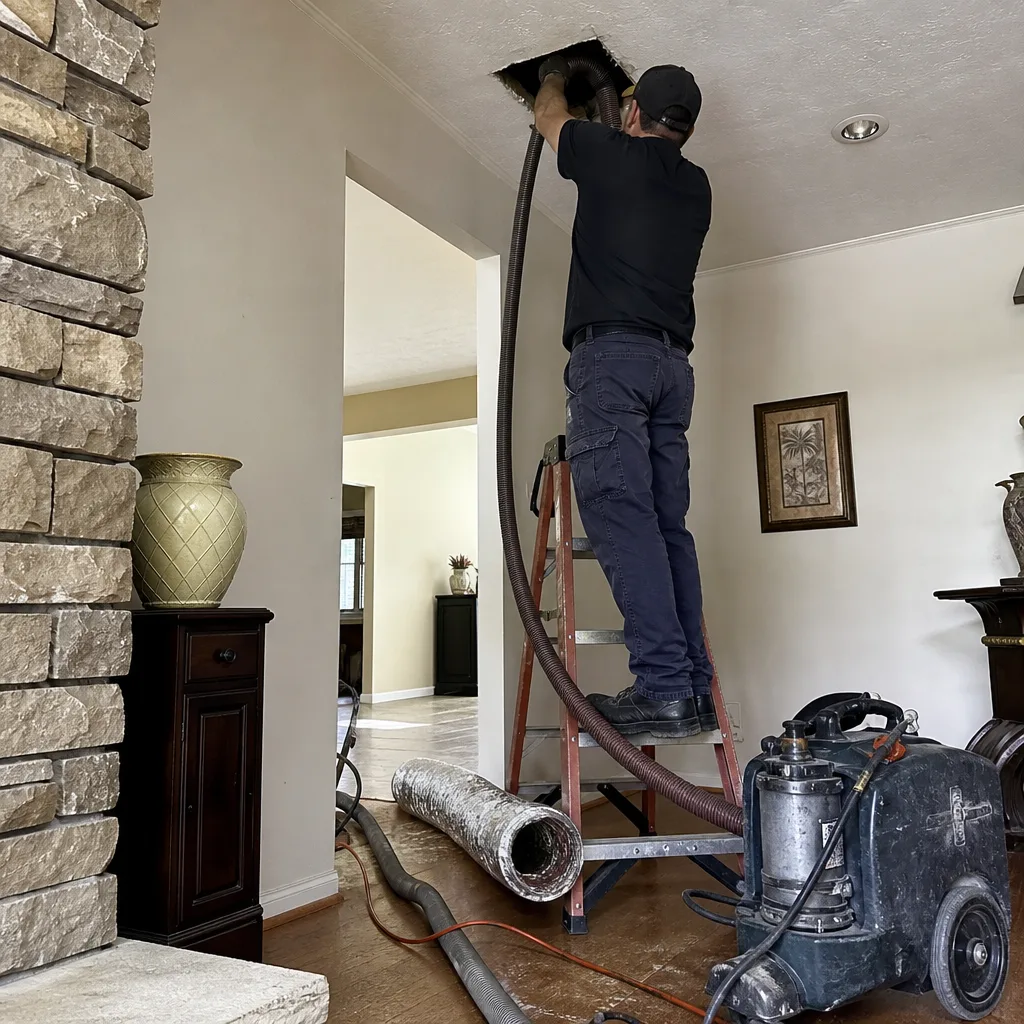 Before
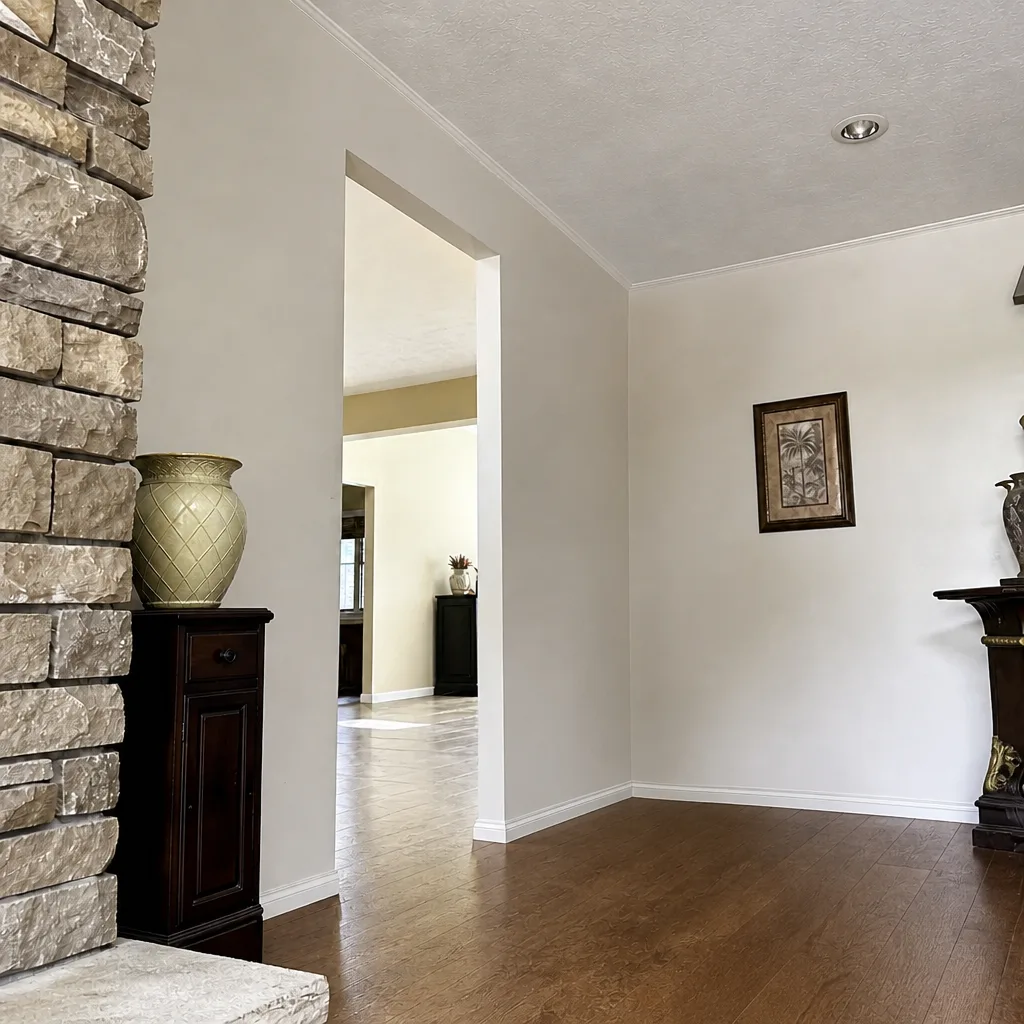 After
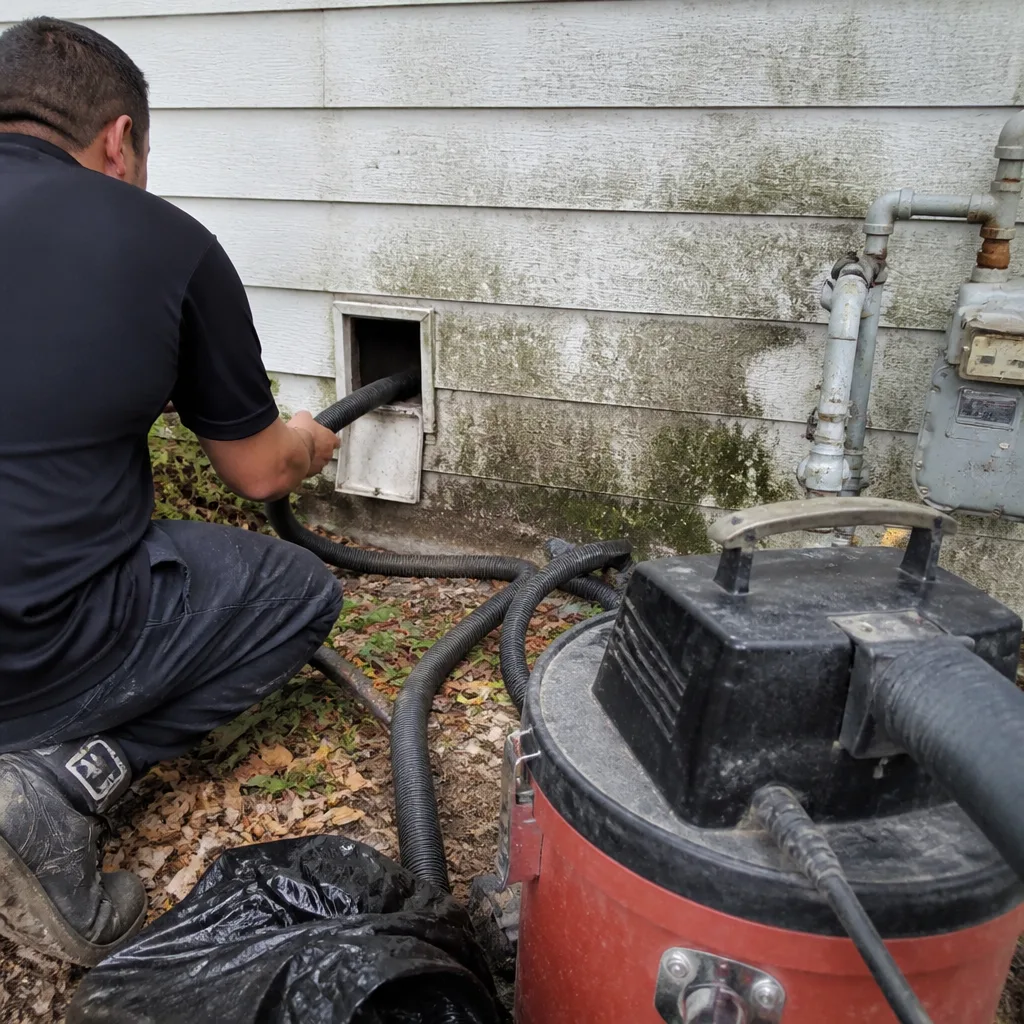 Before
 After
 Before
 After
Frequently Asked Questions
Partly. Register cleaning, filter replacement, return grille vacuuming, and visual inspection are worth doing yourself and reduce the load on the system month to month. Cleaning the duct interior is not achievable with consumer tools because they can’t generate the negative pressure required to capture loosened debris. For full interior cleaning, a professional job is the only path.
Typical whole-house pricing in Riverview runs $350 to $700, depending on the number of runs, accessibility, and how much accumulation exists. That range covers cleaning of supply and return ducts plus accessible air handler surfaces. You’ll get a written estimate on-site before work begins, and that written price sets the final cost. Call (866) 293-1514 for an exact quote – estimates are free.
Because the cheap quotes aren’t for the same work. A $99 or $149 advertised price is usually a trip charge; the real scope is priced on-site and rarely matches the ad. A real whole-system clean requires truck-mount or portable negative-air equipment, HEPA filtration, and mechanical agitation – which costs money to own and operate. If a quote is dramatically below the local range, the equipment and process behind it usually explain why. Call (866) 293-1514 for an honest estimate that reflects the actual work.
Ask for before-and-after photographs of your own ducts, taken with a camera during the job. Any professional team will provide these without hesitation, and they should show visible debris on the before shots and clear surfaces after. Combined with a written scope that names the equipment used and confirms the flat price, that’s what verification looks like. Call (866) 293-1514 and we’ll walk you through exactly what we do and show you the results.
Five to seven years is the realistic interval for most Riverview homes, shorter if you’ve just bought an older house, finished a renovation, or have multiple pets or someone with respiratory sensitivities in the household. Homes running a good filter with regular maintenance can stretch the interval to seven or eight years. Between cleanings, keep up the register and filter tasks – they’re the maintenance that makes the interval possible. Call (866) 293-1514 to schedule an evaluation of your specific system.
The first several feet, sometimes. A consumer dryer vent brush kit reaches roughly the first 12 to 18 inches from either end. If a flashlight check shows lint beyond that, a professional cleaning is the safer route. Dryer lint is a genuine fire risk, and the vent run inside the wall can’t be reached with retail equipment. Call (866) 293-1514 to add a dryer vent cleaning to a duct appointment.
The Bottom Line
DIY duct care is a real, useful routine – register cleaning, filter maintenance, and visual checks genuinely reduce the load on the system and can stretch the interval between professional cleanings to seven years or more. What DIY cannot do is clean the duct interior, because consumer equipment can’t produce the airflow or capture that source removal requires. The physics is the deciding factor, not the cost. In Riverview, professional whole-system cleaning lands at $350 to $700, quoted per system, in writing, before work starts. That’s the task that actually gets done; DIY is the ongoing maintenance around it. Do both, on the right schedule, and your system stays clean and your air stays cleaner.
Duct Cleaning Riverview handles air duct cleaning, duct repair, and dryer vent cleaning with Rotobrush rotary-brush extraction, Nikro HEPA negative-air machines, and Abatement Technologies air scrubbers. We also supply and install Honeywell and Aprilaire filtration products to keep the system clean between appointments. Call (866) 293-1514. We answer 24/7, with fast dispatch from 7am to 7pm, Sunday through Friday. Every estimate is free and every price is set per system by a written estimate. Before-and-after photos are part of the job, not an add-on.
Written by the team at Duct Cleaning Riverview.