
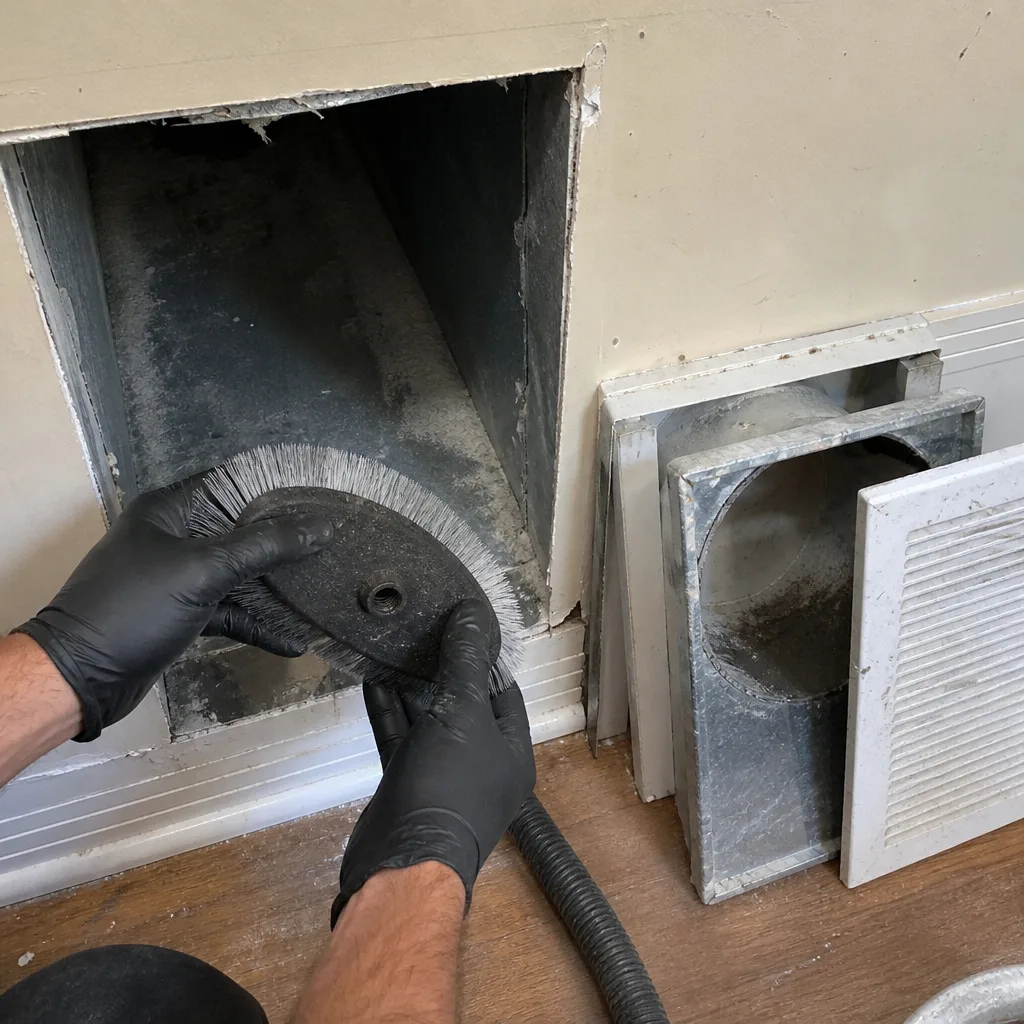
Last updated November 16, 2026
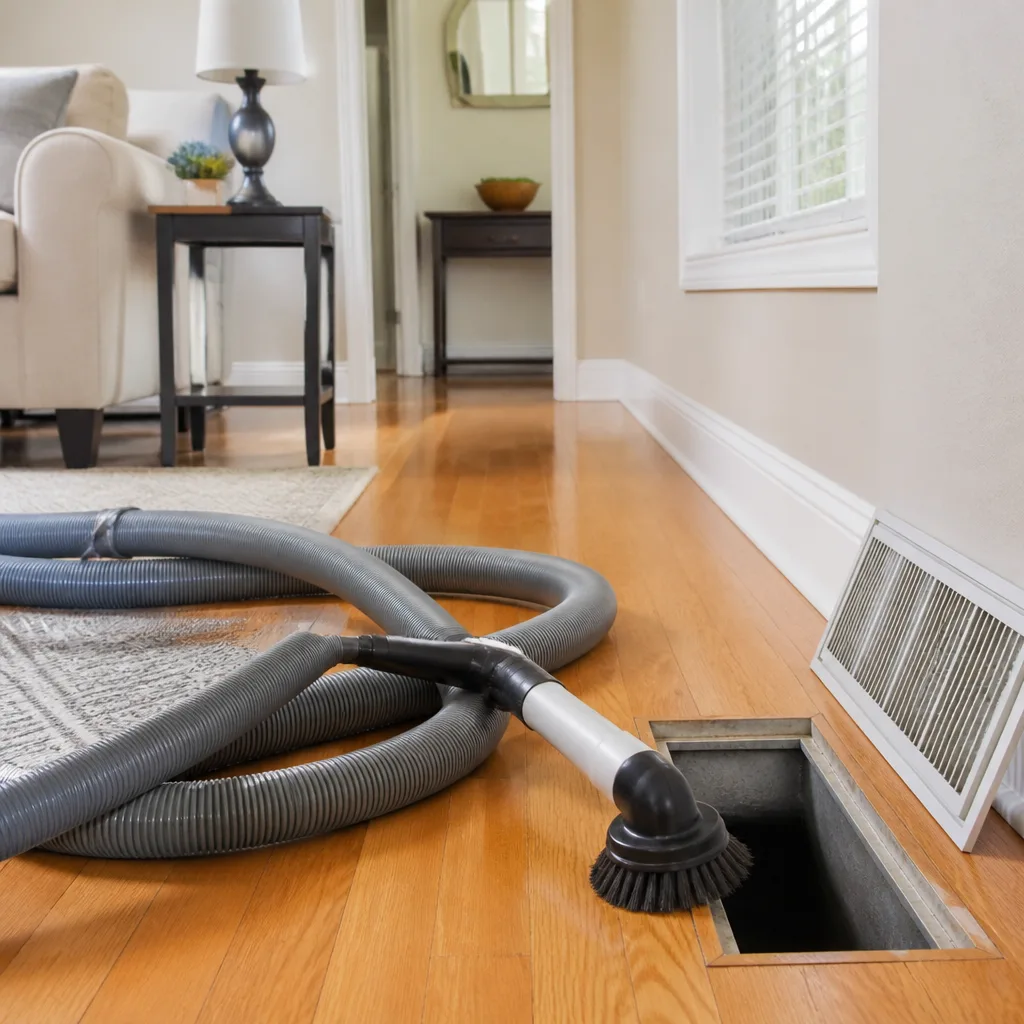 Whole-home duct cleaning
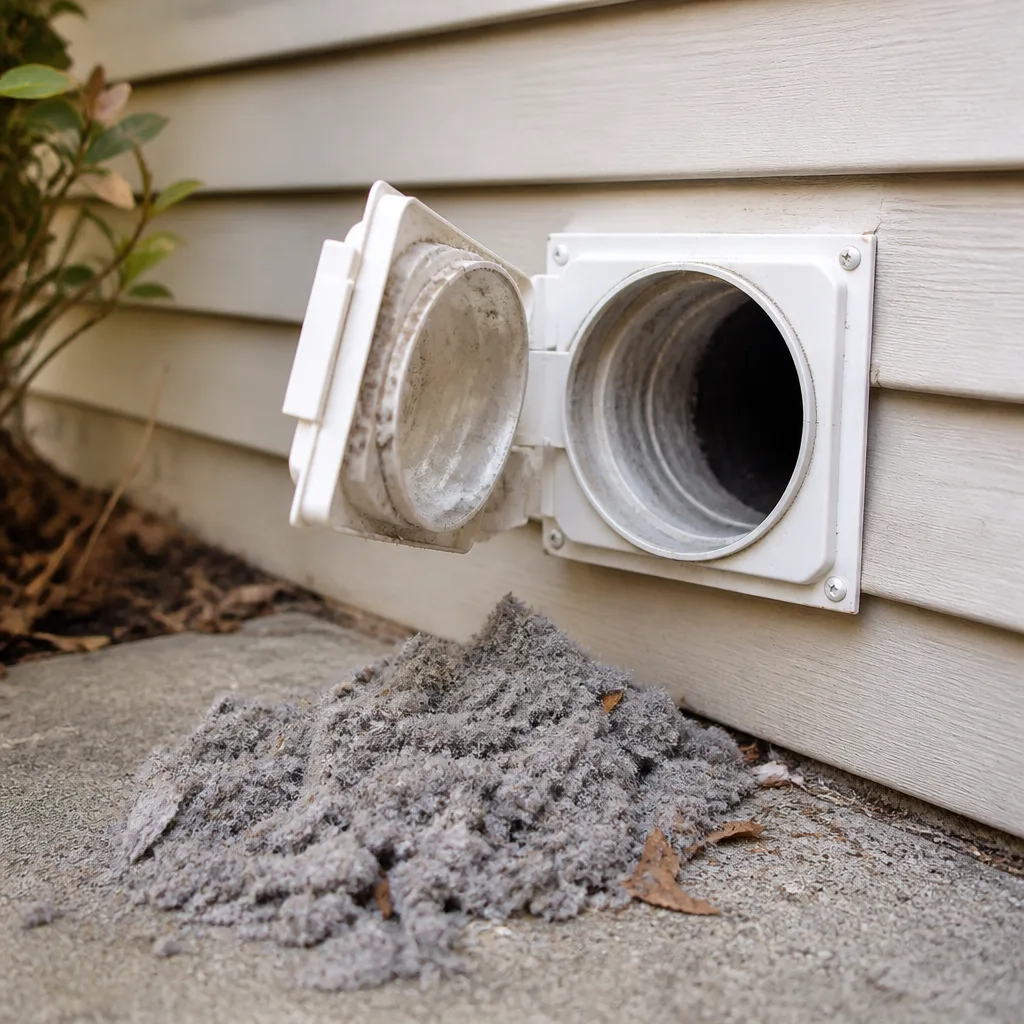 Dryer vent cleaning
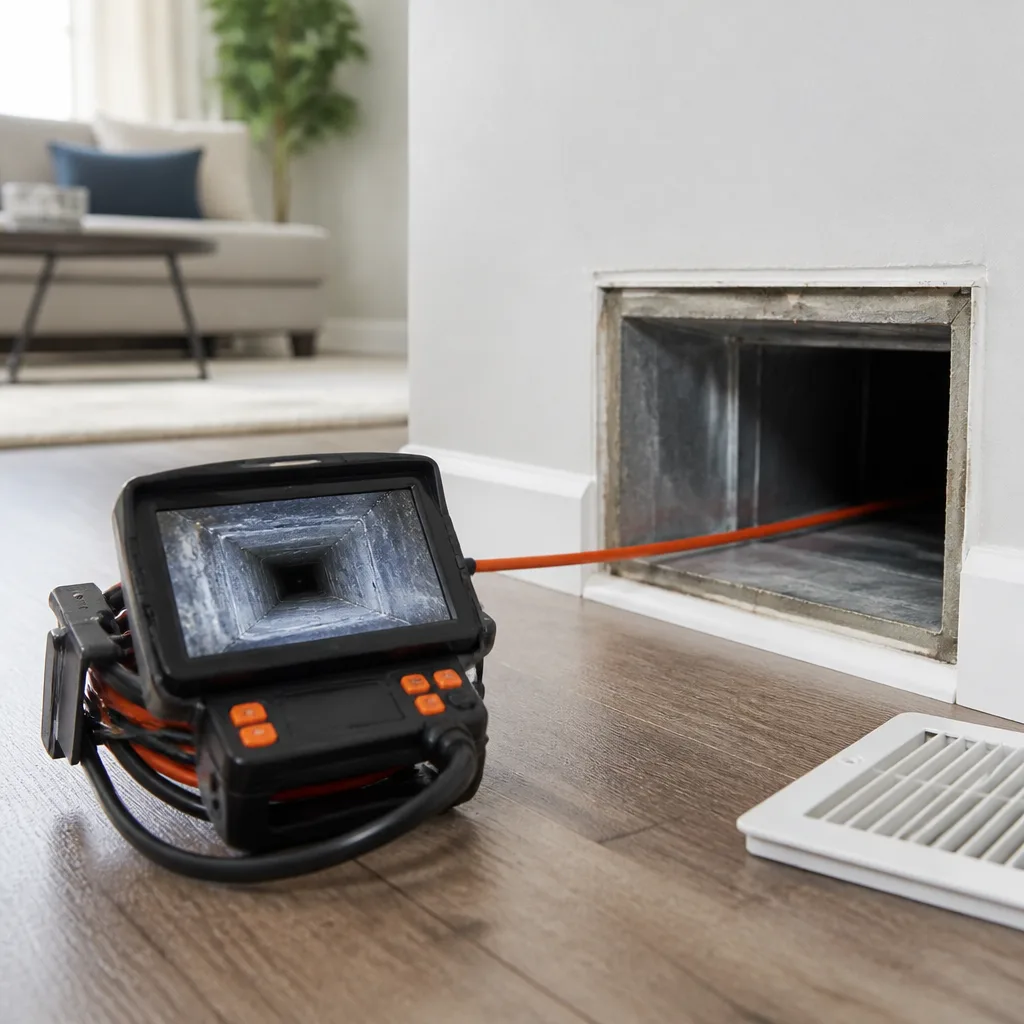 Camera inspection
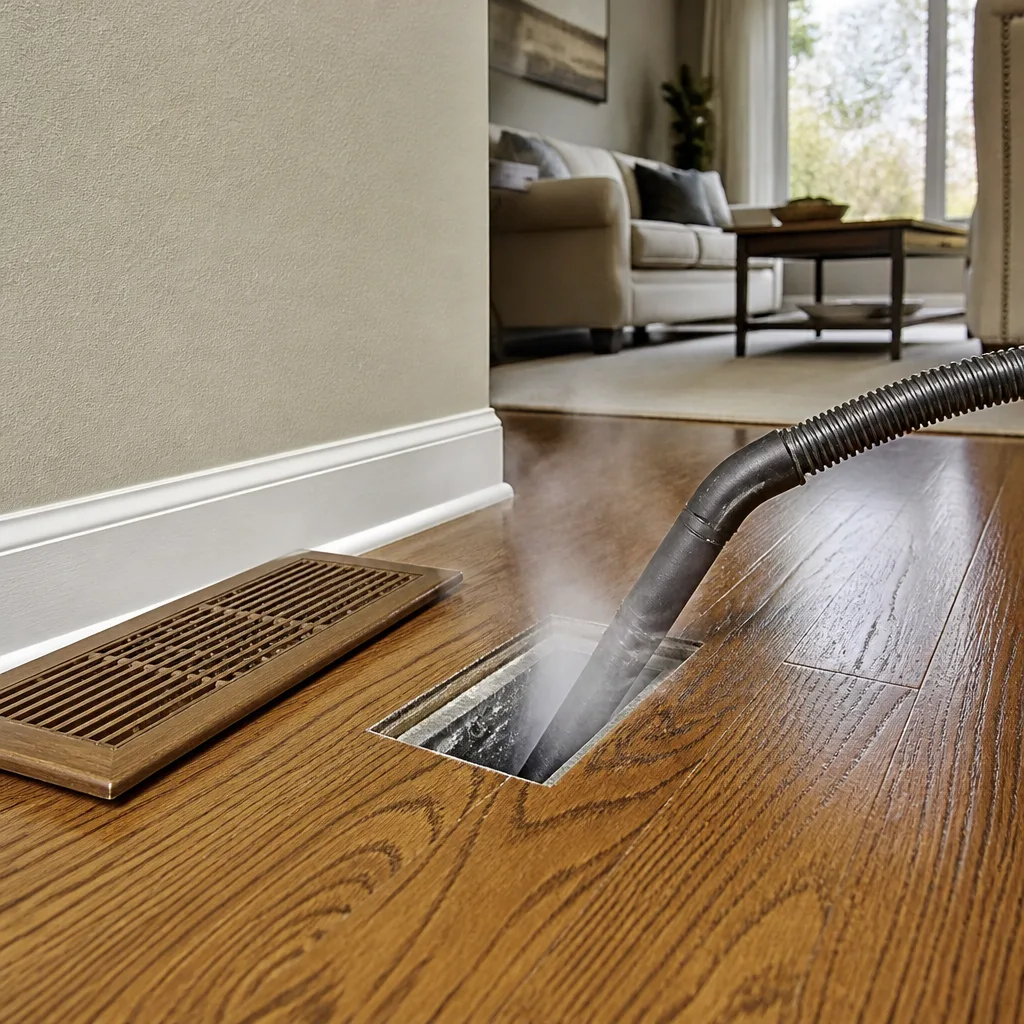 Sanitizing & deodorizing
Whole-system duct and dryer vent check with before-and-after photos - you see exactly what came out of your vents
That "$99 whole-house special" is a bait ad - the real number appears once they are in your hallway, or the "clean" is a shop-vac at the register. We photograph the inside of your ducts before and after instead.
Seasonal Air Duct Cleaning Care for Riverview: Year-Round Homeowner’s Guide
Most homeowners treat duct cleaning as a fall chore, something to schedule before the furnace kicks on. In Riverview that thinking works against you. Our wet season can drop around 35 inches of rain between June and September, and the indoor humidity that comes with it turns your duct liner into a surface microbes can settle on. There’s no true off season for duct maintenance here, only different triggers across the year. This guide lays out a Riverview-specific calendar: what to do before the humidity climbs, what to watch mid-summer, and what to check once storm season passes. You’ll finish knowing when to clean, when to inspect, and when to simply watch a number on a hygrometer.
Quick Answer
In Riverview, air duct cleaning is highest-value in April and May, before the summer humidity surge loads your system, then again in October and November after storm season has stressed your duct connections and air handler seals. Between those windows, monitor indoor relative humidity and schedule an inspection if it stays above 60% RH, and keep the system cycling occasionally through the mild winter so ducts don’t sit stagnant.
Styles & brands we work with
- Whole-home duct cleaning
- Dryer vent cleaning
- Camera inspection
- Sanitizing & deodorizing
Table of Contents
- Why Riverview’s Climate Sets a Different Duct Schedule
- The April-May Window: Your Highest-Value Cleaning Period
- Mid-Summer Monitoring: Reading Humidity and Knowing When to Act
- The October-November Checklist After Storm Season
- Winter in Riverview: Why Occasional AC Cycling Matters
- Coordinating Filters, Coils, and Ducts Into One Annual Visit
- What a Professional Duct Cleaning Actually Involves
- Common Mistakes to Avoid
- When to Call a Professional
- Frequently Asked Questions
Why Riverview’s Climate Sets a Different Duct Schedule
If you moved here from a northern state, you probably learned to think about duct care around a heating season. That model doesn’t fit Riverview. Our winters are mild, so the furnace rarely drives long runtimes, but our summers run hot and humid for months. The result is two distinct stress periods instead of one.
The first is the pre-summer humidity surge. As outdoor air gets heavier with moisture in late spring, your air handler pulls more of it through the return side. Every time indoor relative humidity climbs above 60%, the porous liner inside flex and sheet-metal ducts becomes a surface where microbial growth can take hold. That liner is there to dampen sound and limit condensation, not to resist sustained damp conditions.
The second stress period comes after storm season. The pressure swings, power interruptions, and heavy rain of late summer and early fall work on the weakest points of a duct system: the taped or mastic-sealed joints where flex duct meets a boot, and the gaskets and seals around the air handler cabinet. A small separation that went unnoticed all summer becomes a leaking joint you can hear whistling in October.
Between those two periods, our winters are quiet but not irrelevant. A duct system that sits completely idle for weeks accumulates stagnant moisture, and that’s its own problem. The calendar below treats each period for what it actually is, which is why a Riverview homeowner’s schedule looks different from the generic quarterly reminder you’ll find on most duct cleaning websites.
If you’re new to the area and haven’t had your system looked at, the team behind our Riverview service page can walk you through what a first inspection covers.
The April-May Window: Your Highest-Value Cleaning Period
April and May are the single best months to schedule duct cleaning in Riverview. You’re cleaning before the humidity load peaks, not after. Ducts that are mechanically scrubbed in spring start the wet season with clean walls, which gives any moisture that does enter far less material to work with.
Here’s how to sequence the pre-summer work:
- Upgrade your filter in early April. This is the moment to move to a higher-MERV filter, before heavy runtime starts. Have your return grille and filter slot cleaned at the same time so the new filter isn’t immediately loaded with dust sitting in the housing.
- Inspect the evaporator coil in the same window. A coil caked with dust in April will run wet and inefficient all summer. Coil inspection belongs with the pre-season visit, not mid-July when you’re already uncomfortable.
- Schedule the duct clean before the first humid stretch. Mechanical extraction in spring means the liner is dry and clean going into the months that matter most.
- Note your baseline humidity reading. Put a hygrometer in a central room and record what it reads on a normal spring day. That number is your reference point for the mid-summer section below.
The reason this window has more value than a fall cleaning comes down to timing. Cleaning in October removes the summer’s accumulation after the fact. Cleaning in April prevents that accumulation from forming at all. For homes with pets, allergy sufferers, or anyone running a variable-speed air handler that moves a lot of air through the same ductwork, the pre-summer window pays for itself in comfort alone.
The same visit is a sensible time to address small problems before they compound. If an inspection turns up a loose joint or a crushed section of flex, you can address it with duct cleaning and repair in one appointment rather than scheduling two.
Mid-Summer Monitoring: Reading Humidity and Knowing When to Act
Once June arrives, your job shifts from cleaning to watching. The most useful tool is a cheap indoor hygrometer, and the most useful skill is knowing which readings mean “wait” and which mean “call.”
What to track:
- Indoor relative humidity (RH). Aim to keep it under 60%. Sustained readings above that line are the trigger for an unscheduled inspection.
- How long the AC runs. A system that short-cycles without pulling humidity down is often a sign of a duct air leak pulling moist attic or garage air into the return.
- Smells when the system starts. A musty note at startup is a signal that the liner or coil has stayed wet.
- Visible condensation. Sweating ducts, damp spots around registers, or a wet filter are all reasons to look closer.
Readings that should prompt a call: indoor RH holding above 60% for several days despite normal AC operation, a persistent musty smell, or a filter that looks damp. Any one of these means moisture is sitting somewhere it shouldn’t. Get an inspection rather than waiting for the October visit.
This is also the season when remediation-grade equipment earns its keep. A HEPA negative-air machine and air scrubber pull fine particles that a standard shop vac just stirs up. Mechanical agitation with a rotary brush then lifts what has bonded to the liner. Blowing air through a duct without contact cleaning mainly moves the problem around.
Beyond cleaning, mid-summer is when filtration upgrades help most. A properly sized Honeywell or Aprilaire filtration unit installed before the peak load keeps more particles on the filter and less on the coil and liner. If you’re weighing options, it’s worth talking through sizing before the worst of the humidity hits.
The October-November Checklist After Storm Season
When hurricane season winds down, your duct system has been through months of heat, humidity, and the pressure changes that come with summer storms. October and November are when you check what all that stress did to the system’s weak points.
Post-storm-season checklist:
- Check flex duct connections at boots and plenums. Pressure swings and vibration can pull a taped joint loose. Look for detached or sagging flex in accessible attic runs.
- Inspect air handler cabinet seals. Gaskets around the blower and coil doors compress over time. A poor seal pulls untreated attic air straight into the supply.
- Confirm the air handler survived power interruptions. Surges and brownouts during storms can leave a blower or control board running rough. If airflow feels weaker than it did in spring, have it looked at.
- Look for water intrusion. Storm-driven rain can find its way into an attic and onto ductwork. Damp insulation around a duct is a reason to inspect before mold settles in.
- Schedule the post-season clean if the summer was heavy. Homes that ran the AC hard June through September usually have the accumulation to justify an extraction in the fall.
The connections matter because a duct system is only as tight as its weakest joint. Leaks at the boots pull humid, unconditioned air into the rooms you’re trying to keep comfortable, and that extra moisture load is exactly what the liner can’t handle long term.
If the inspection turns up damaged flex, crushed runs, or joints that won’t stay sealed, we repair what we find rather than handing you off to a generalist. The same Riverview air quality line we install can be sized at the same visit, so the system leaves storm season better than it entered it.
Winter in Riverview: Why Occasional AC Cycling Matters
Our winters are mild enough that many homeowners barely run the AC from December through February. That feels like a break for the system, but a duct system that sits completely idle for weeks has its own issue: stagnant moisture. Air that doesn’t move doesn’t dry out, and a damp liner with no airflow is the scenario where microbial growth has the easiest time.
You don’t need to run the AC like it’s July. A short daily cycle in the mild winter months keeps air moving through the ducts and lets the system’s dehumidification do a little work even when you don’t feel warm. Set the thermostat so the system kicks on briefly each day and leave the fan on auto rather than on; continuous fan on a damp day pushes moisture around instead of removing it.
Winter is also a sensible inspection window because the demand is low. If the fall checklist turned up something that needed a follow-up, a cool, dry Riverview day is an easy time to get it done without disrupting your comfort. Our technicians have up to experience reading duct systems across the full seasonal cycle here, and they can tell you whether a winter idle period is actually drying your ducts or whether a filter change and a short cycle will do.
The wildcard in winter is humidity control. If you run a humidifier in the dry months, keep an eye on the readings; an indoor RH pushed too high in winter creates the same damp-liner condition the summer does, just without the heat.
Coordinating Filters, Coils, and Ducts Into One Annual Visit
Splitting duct cleaning, filter changes, and coil cleanings across separate appointments in Riverview means paying for the same trip more than once and letting each task drift out of sync with the others. The better approach is a single annual visit that covers all three on one schedule.
How to consolidate:
- Pick your anchor month. For most Riverview homes, that’s April or early May, right before the humidity load arrives.
- Bundle the filter change into the visit. Buy the year’s filters at once and have the first one installed and the housing cleaned on the same appointment.
- Have the coil inspected during the same window. A clean coil and clean ducts share the same benefit: the system runs at lower static pressure and moves air the way it was designed to.
- Note the post-season follow-up. Mark October on your calendar for a quick self-check of connections and seals; you only need a full second visit if the checklist turns up a problem.
- Let the technicians flag anything found. If the annual visit turns up a damaged duct or a filtration upgrade that makes sense, handle it then rather than scheduling separately.
Coordinating also means fewer surprises. A filter that gets changed on the same day the system is inspected gets changed on time. A coil inspected in April gets cleaned before it has a summer to foul. And the duct cleaning that happens in the same visit is more effective because the technician is already inside the air handler and the accessible runs.
The filtration products we install – Honeywell and Aprilaire – are part of that annual plan. A properly sized media filter or air cleaner makes the year’s duct work last longer and reduces how often a heavy clean is needed at all. When you’re ready to look at your own calendar, our main duct cleaning in Riverview page covers the service line and what a first appointment includes.
What a Professional Duct Cleaning Actually Involves
If you’ve been burned by a low-price crew that showed up with a shop vac and left in twenty minutes, it helps to know what a real clean looks like. The difference is contact extraction and negative air, not just airflow.
- Rotary-contact extraction. A Rotobrush system sends a spinning brush down each run, physically scrubbing the duct wall. Air pressure alone can’t dislodge material bonded to the liner; a brush can.
- Negative air and HEPA filtration. A Nikro negative-air machine keeps the work area under negative pressure so dislodged debris and fine particles get captured rather than redistributed into your home.
- Air scrubbing for heavier contamination. Abatement Technologies air scrubbers, the equipment class used in professional remediation, are brought in when a system has visible microbial growth or heavy accumulation.
- Repair when it’s needed. If the inspection turns up a crushed run, a separated joint, or a damaged boot, our team repairs it rather than leaving you to find a separate contractor.
- Dryer vent clearing as a separate safety service. Dryer vents are their own fire-prevention job, and running one on the same visit is a sensible way to close a lint risk at the same time.
None of that is exotic. It’s the standard equipment for mechanical duct cleaning, and most budget crews don’t own it. When you ask a company what they use, they should be able to name their equipment and explain what each piece does. A truck-mount blower and a rotary brush are not interchangeable.
Common Mistakes to Avoid
- Waiting until fall to clean. In Riverview, fall cleaning removes the summer’s accumulation after it has already sat on your liner for months. Spring cleaning prevents it.
- Skipping the humidity baseline. Homeowners who never measure indoor RH can’t tell whether their system is actually handling the wet season. Set a baseline in spring so a mid-summer spike is obvious.
- Running the fan continuously in a damp house. Continuous fan on a humid day pushes moisture around rather than removing it. Cycle the system instead and let the coil dehumidify.
- Letting ducts sit completely idle all winter. A system that never cycles in our mild winter leaves stagnant moisture in the liner. A short daily cycle avoids it.
- Ignoring the air handler seals after storm season. A gasket that compressed or a joint pulled loose by pressure swings pulls attic air into your supply. Check it in October.
- Pricing the job on the lowest quote instead of the equipment. A quote that doesn’t name its equipment is usually a quote for a blower and a shop vac. Ask what they use on the duct walls, not just at the register.
- Splitting the annual work across three appointments. Filters, coil, and ducts done in one visit cost less in total and stay on the same schedule.
When to Call a Professional
Some things you can check yourself. Others need equipment and experience. Call a professional when indoor relative humidity stays above 60% for days despite normal AC operation, when a musty smell appears at startup and won’t clear, when you find damp insulation or a wet filter, when a storm has visibly detached a flex run, or when you’re simply unsure whether the ducts have ever been cleaned. Our team handles air duct cleaning, air duct repair, and dryer vent cleaning as three distinct services, so follow-up damage found during a clean gets repaired by the same specialist visit rather than a second contractor. Duct Cleaning Riverview offers free estimates in Riverview – call (866) 293-1514. We answer 24/7. Fast dispatch from 7am to 7pm, Sunday through Friday.
Frequently Asked Questions
April and May are the highest-value months, because cleaning before the summer humidity surge means the ducts start the wet season clean. October and November are the second window, after storm season has stressed duct connections and air handler seals. Between those windows, monitor indoor humidity and schedule an inspection if it stays above 60% RH.
For most Riverview homes, one cleaning tied to the spring window, plus an October self-check of connections and seals, is enough. Homes with pets, allergy sufferers, recent renovations, or visible microbial growth need it more often. Call (866) 293-1514 for an exact quote – estimates are free.
Duct cleaning is priced as one flat price per system, agreed in writing before work starts, not per vent. We don’t quote per-vent figures or teaser prices, because that’s how low quotes turn into much larger invoices once the technician is on site. Call (866) 293-1514 for a free estimate on your system.
Cheaper quotes usually come from crews using a blower and a shop vac without contact extraction or negative air, which stirs up debris rather than removing it. The equipment matters: rotary brushing, HEPA negative air, and air scrubbing cost more to run but actually clean the walls of the duct. Ask what equipment a company uses before you compare prices.
Ask for before-and-after photos of your own ducts, and ask what equipment is used. A real clean leaves the liner visibly cleaner, and the crew should be able to show you the difference. Call (866) 293-1514 with questions about the process – estimates are free.
Yes, a short daily cycle through the mild winter keeps air moving through the ducts and prevents the stagnant moisture that builds up when a system sits idle for weeks. Leave the fan on auto rather than on, so the system removes moisture instead of pushing it around. If your ducts have been sitting a while, call (866) 293-1514 for an inspection.
The Bottom Line
Riverview’s climate doesn’t follow a northern duct-cleaning schedule. The wet season and storm season create two distinct stress periods, and the highest-value work is the cleaning you do before the humidity arrives, not after. Build your calendar around April and May for the main clean and filter upgrade, mid-summer monitoring with a hygrometer set to 60% RH, an October check of connections and air handler seals, and a short winter cycle to keep ducts from going stagnant. Consolidate the filter, coil, and duct work into one annual visit so nothing drifts out of sync. Cleaner air starts at the source, and in Riverview that source runs on a summer clock. Call (866) 293-1514 for a free estimate. We answer 24/7. Fast dispatch from 7am to 7pm, Sunday through Friday.
Written by the team at Duct Cleaning Riverview.
See the difference
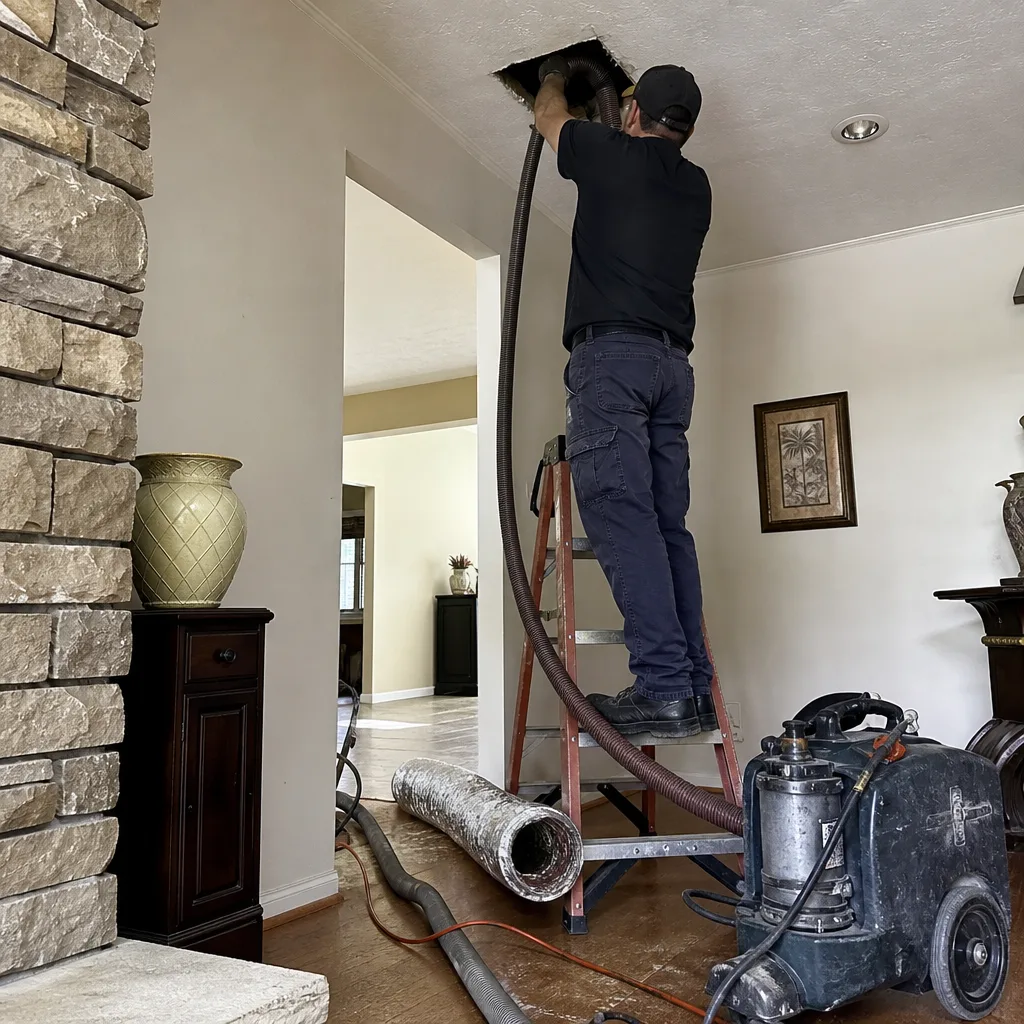 Before
 After
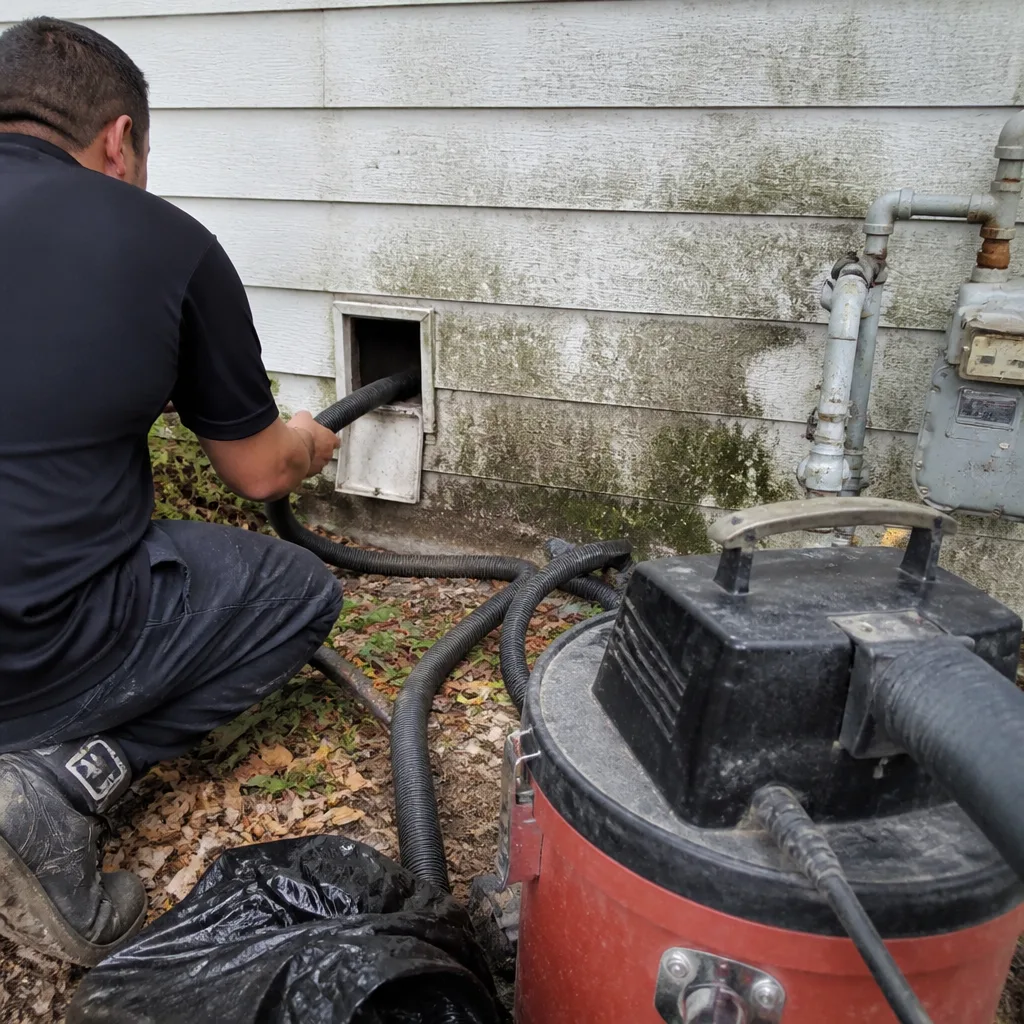 Before
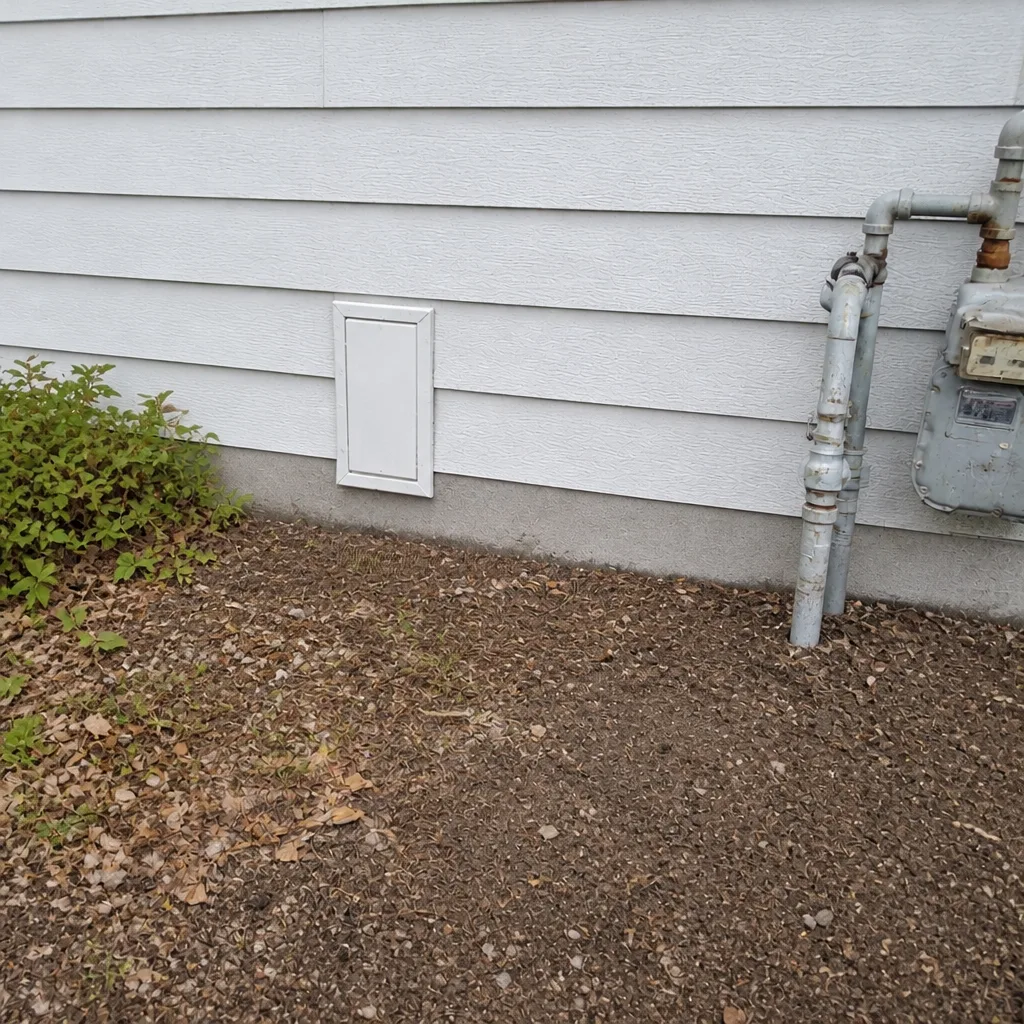 After
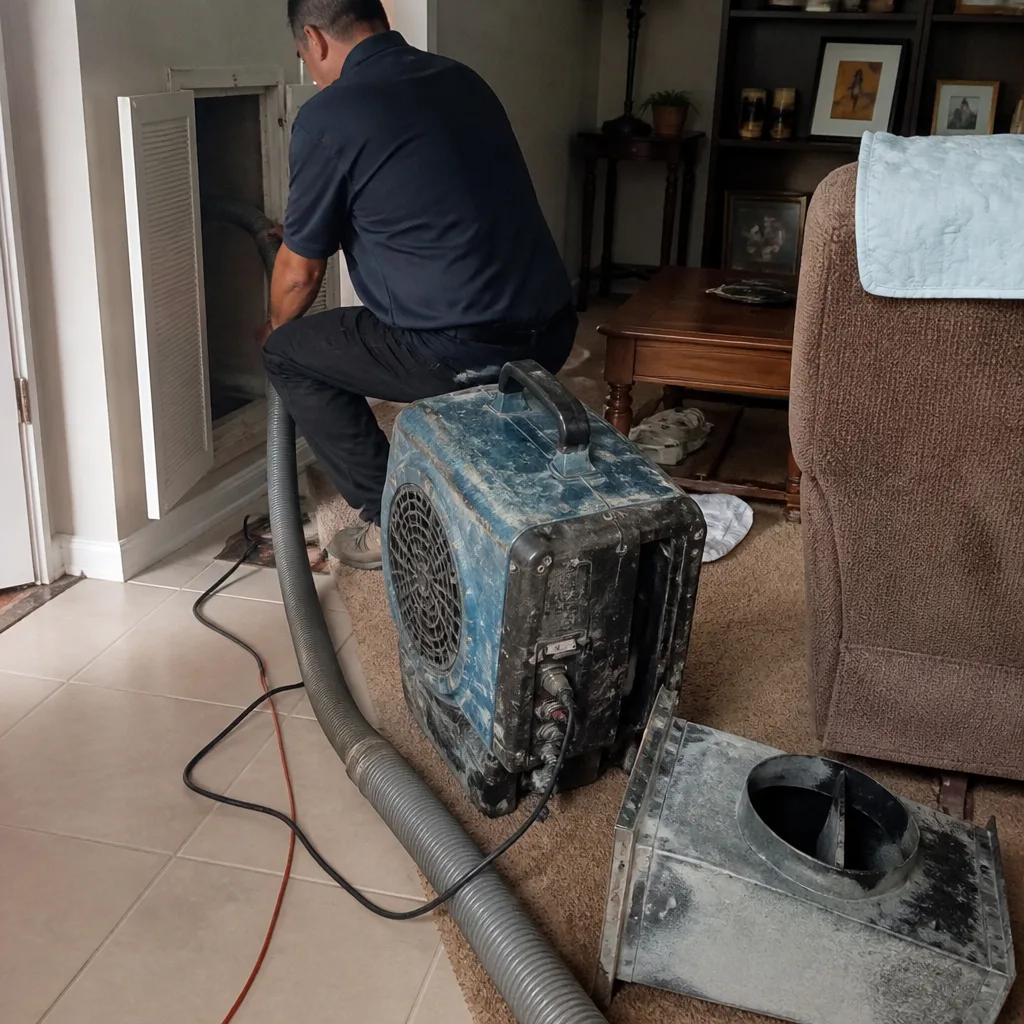 Before
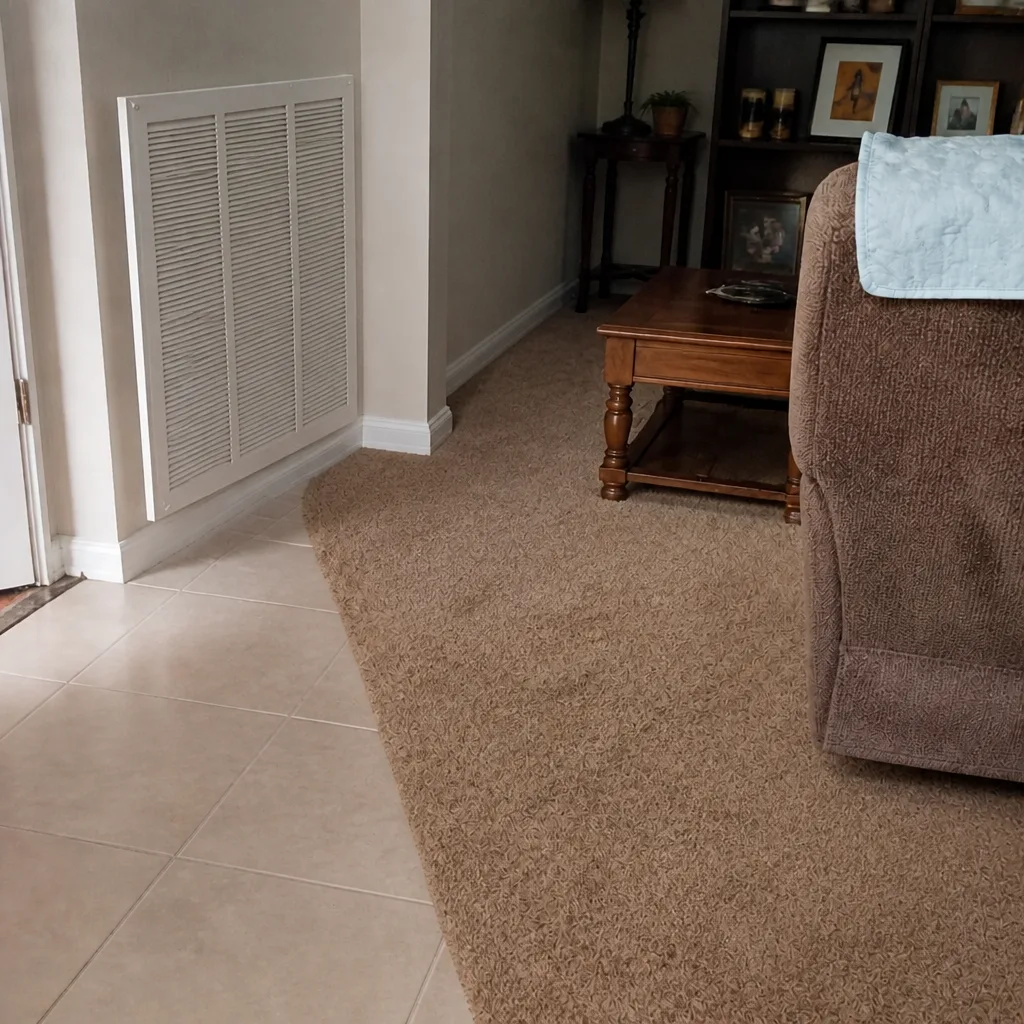 After