
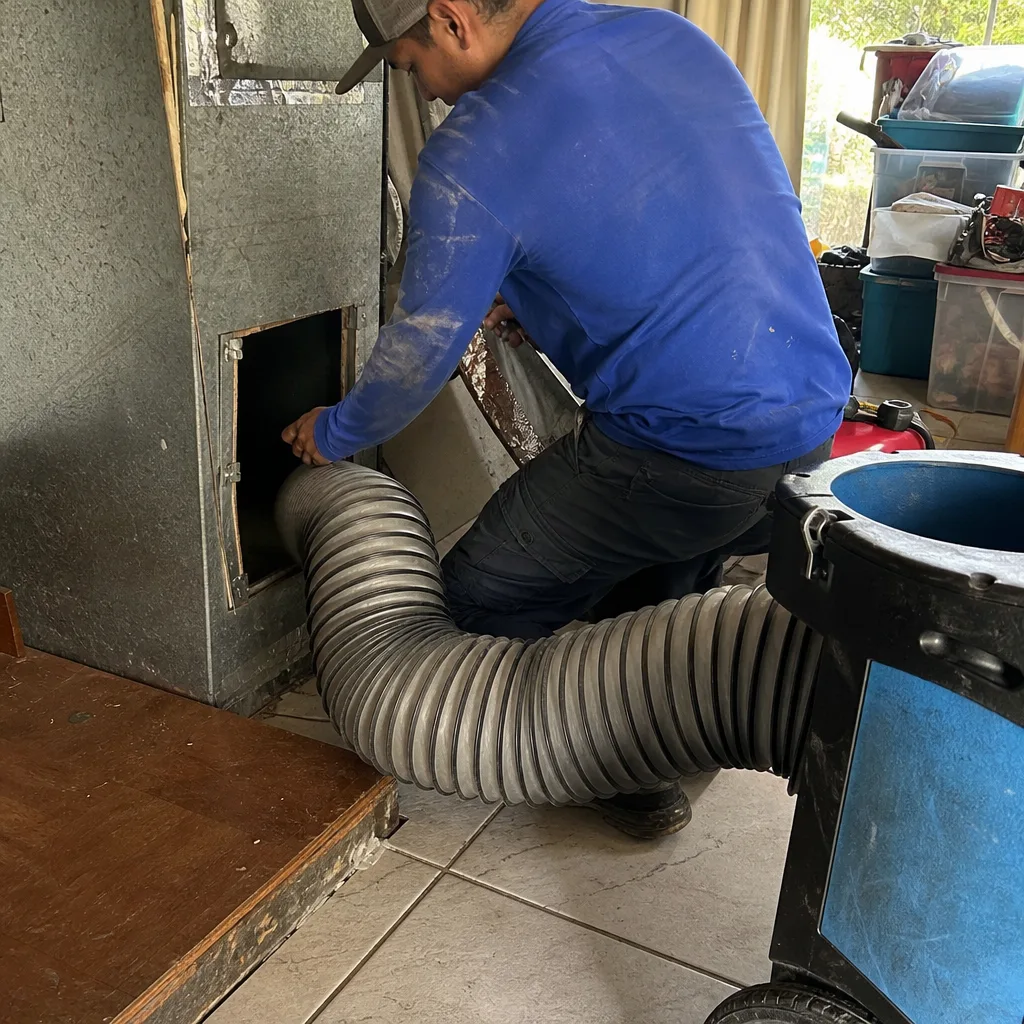
Last updated November 16, 2026
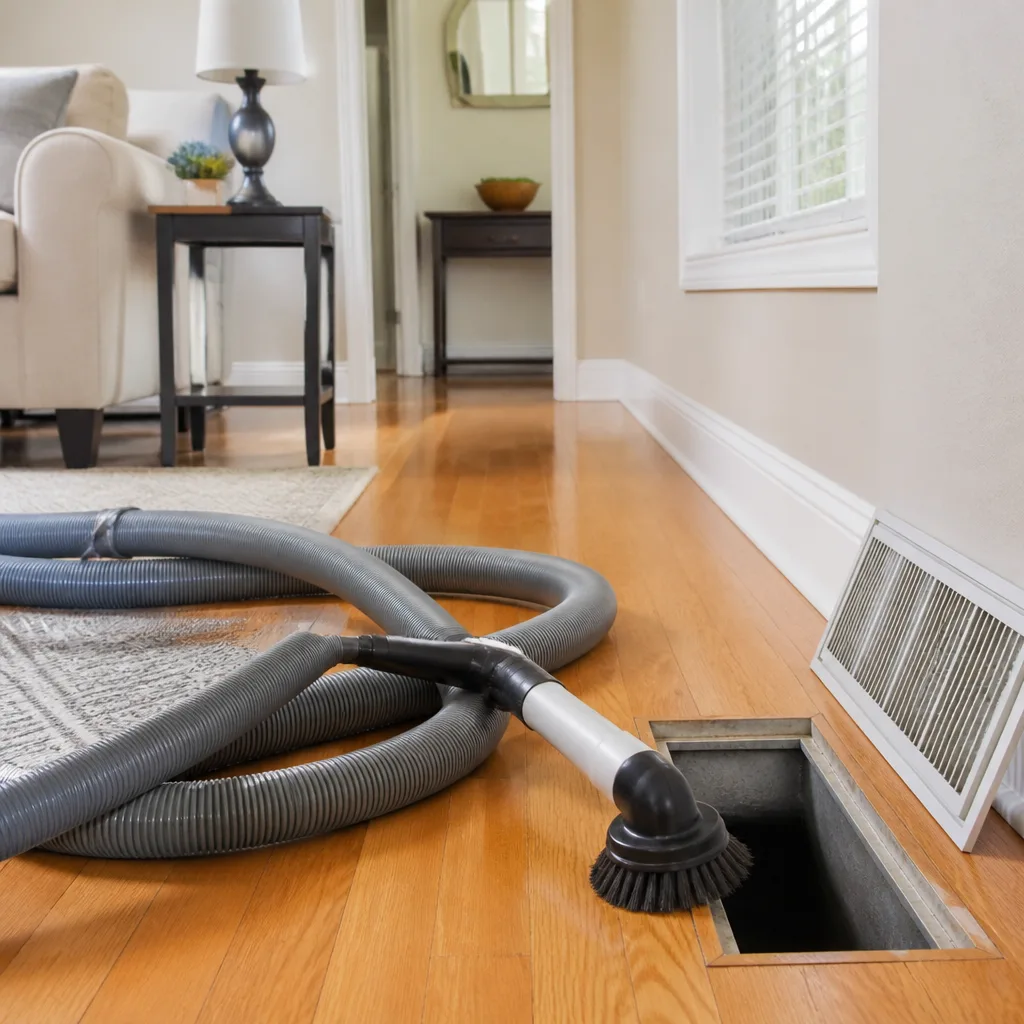 Whole-home duct cleaning
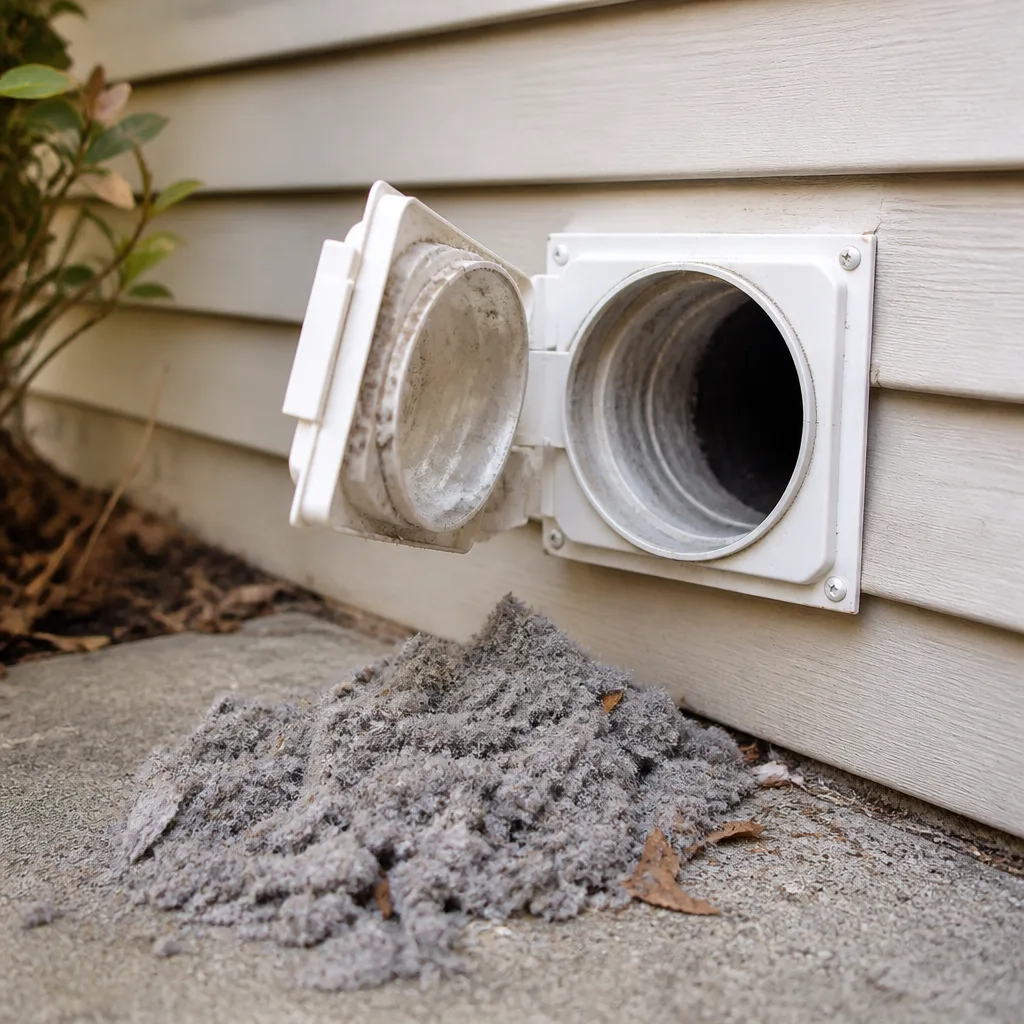 Dryer vent cleaning
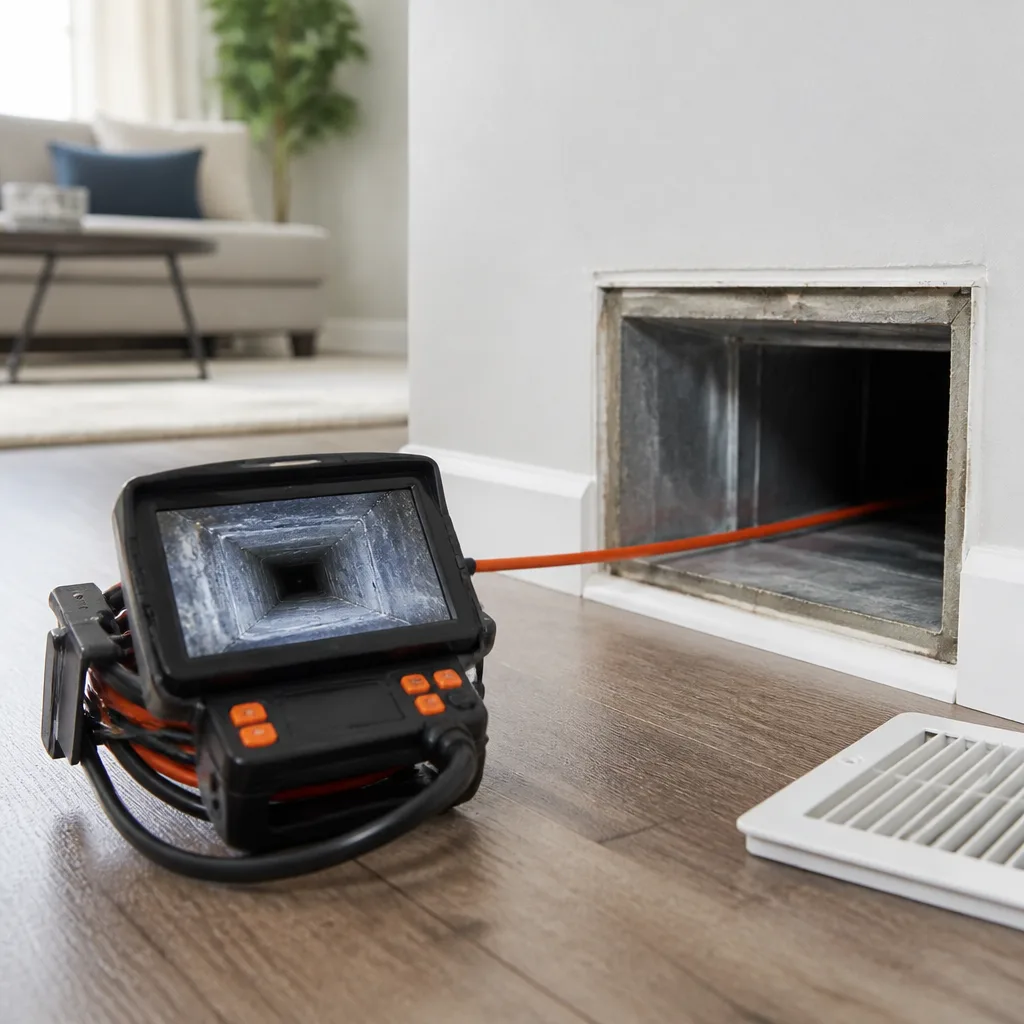 Camera inspection
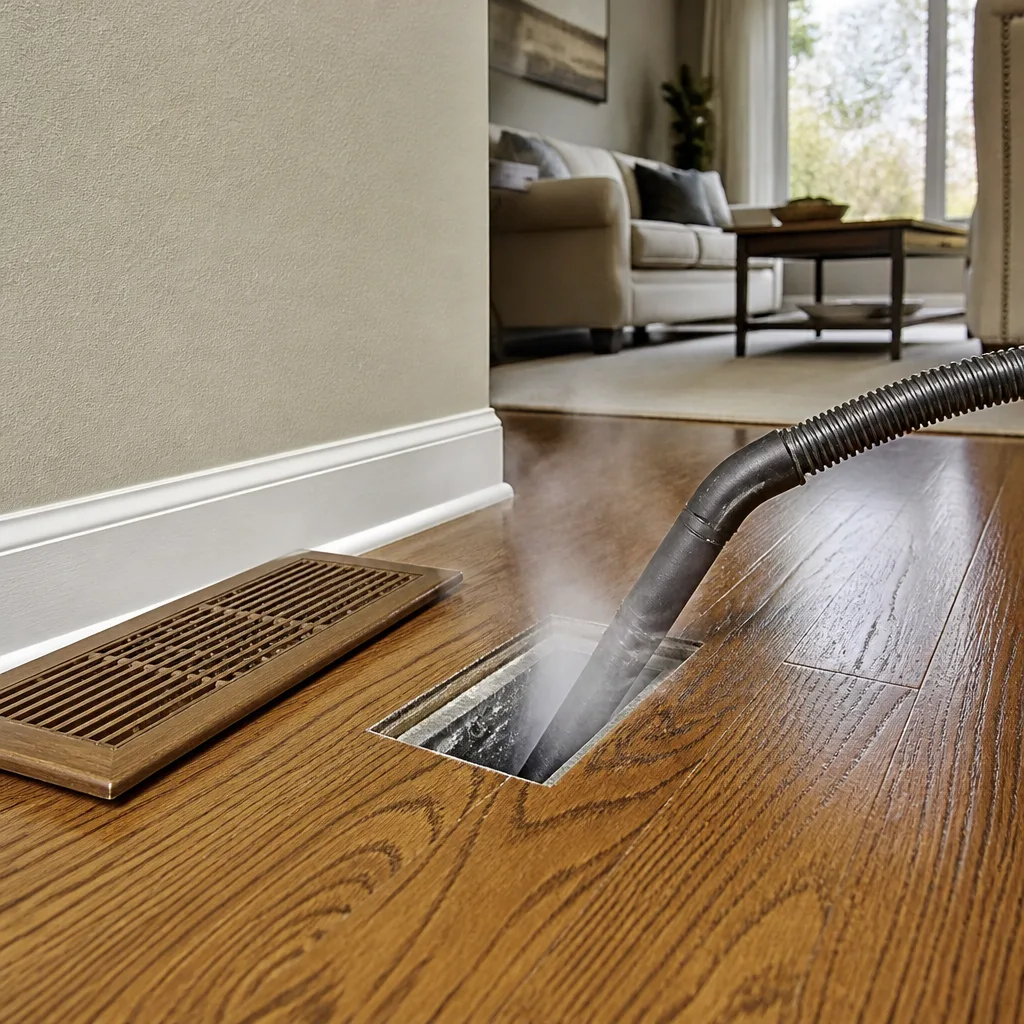 Sanitizing & deodorizing
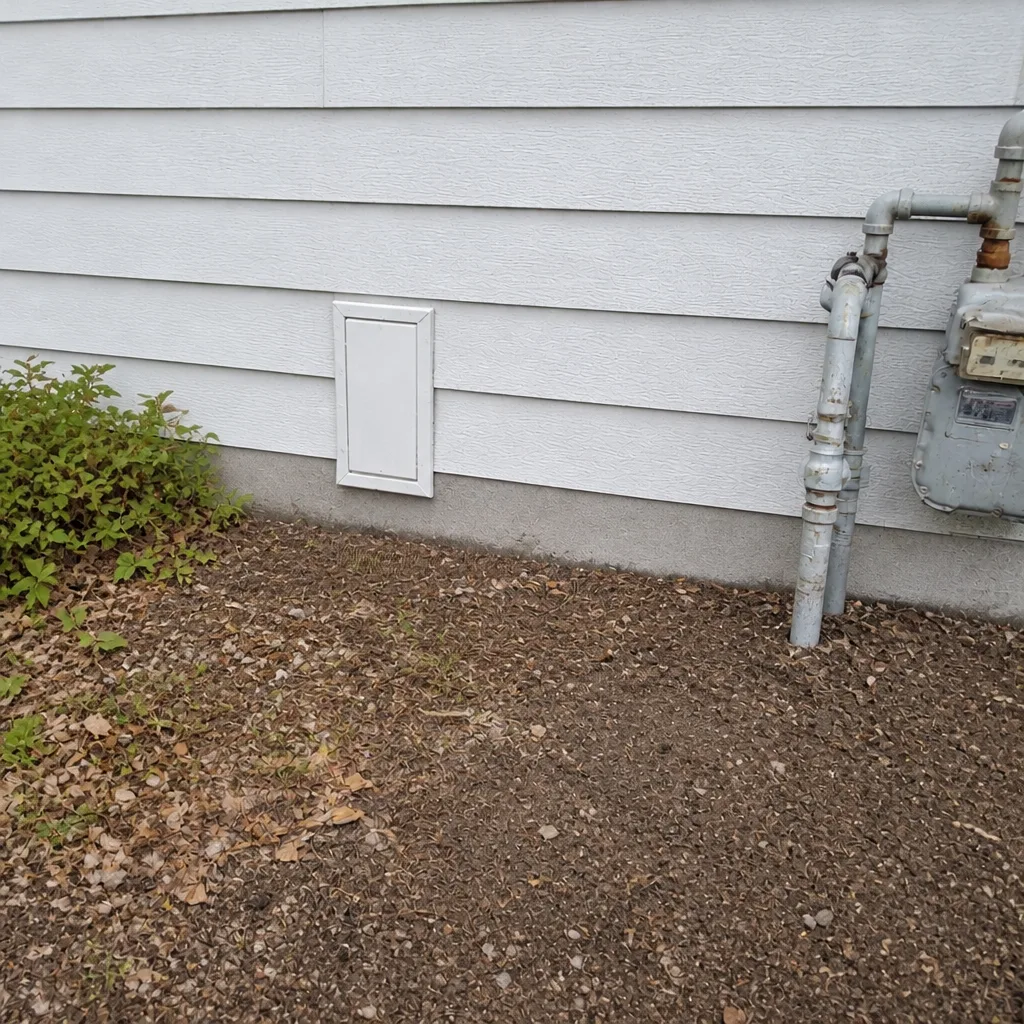
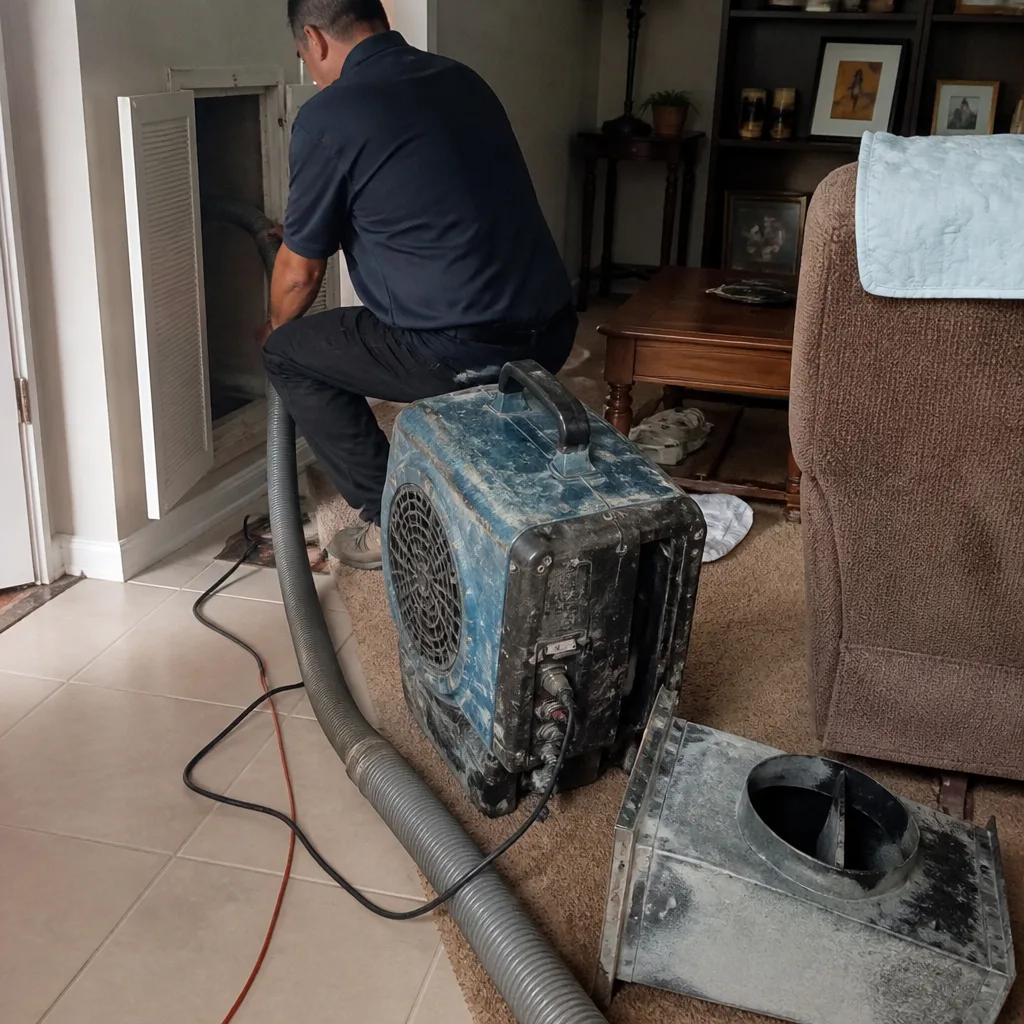
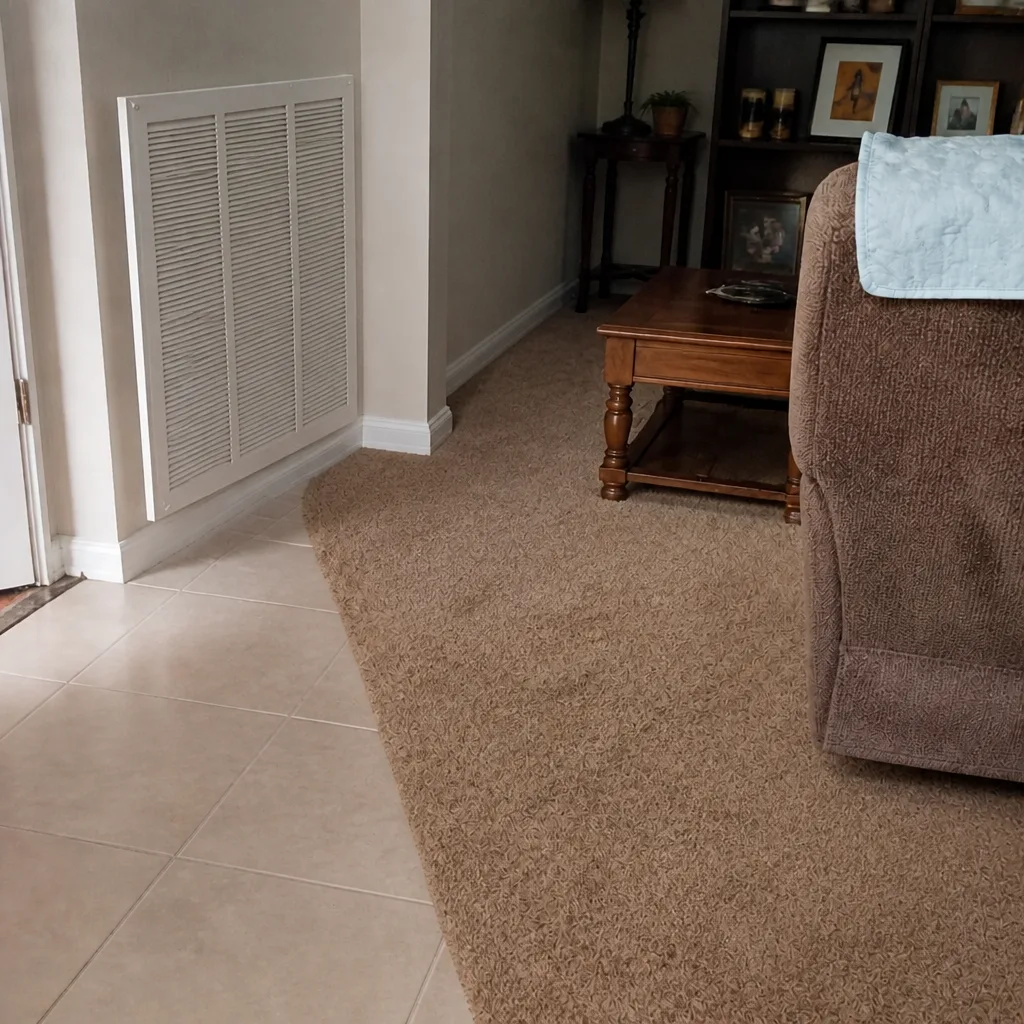
Whole-system duct and dryer vent check with before-and-after photos - you see exactly what came out of your vents
That "$99 whole-house special" is a bait ad - the real number appears once they are in your hallway, or the "clean" is a shop-vac at the register. We photograph the inside of your ducts before and after instead.
Air Duct Cleaning Permits, Codes & Inspections in Riverview, FL: What You Need to Know
Most homeowners in Riverview assume duct work is duct work, so a cleaning quote and a repair quote must carry the same rules. They don’t. Cleaning the inside of a duct system is maintenance. Cutting into that system, replacing a run, or relining a damaged section is construction work governed by the Florida Building Code, and the line between the two is where permits, inspections, and insurance questions begin. This guide explains where that line sits, what Hillsborough County expects of anyone who crosses it, how mold changes the licensing picture, and which questions to ask before you let a technician put a knife to your ductwork in Riverview.
Quick Answer
Air duct cleaning by itself does not require a permit in Riverview or anywhere in Florida. The moment a contractor cuts, replaces, reroutes, or relines duct sections, that’s a modification under the Florida Building Code and typically requires a permit and inspection through Hillsborough County. Mold remediation inside a duct system also pulls in contractor licensing rules under Florida Statute 489.552. If you’re unsure which category your job falls into, ask before work starts, not after.
Styles & brands we work with
- Whole-home duct cleaning
- Dryer vent cleaning
- Camera inspection
- Sanitizing & deodorizing
Table of Contents
- Cleaning vs. Modification: Where the Permit Line Sits
- What Florida Building Code Section 603 Actually Says
- How the Hillsborough County Permit Process Works
- Mold Inside Ducts and Florida Statute 489.552
- Why Unpermitted Duct Work Shows Up on a 4-Point Inspection
- Questions to Ask Before Any Work Begins
- What a Duct Inspection Should Actually Look Like
- Riverview Context: Climate, Housing Stock, and Duct Behavior
Cleaning vs. Modification: Where the Permit Line Sits
The cleanest way to think about it: a permit governs changes to the system, not upkeep of the system. Vacuuming, brushing, and mechanically agitating the interior surfaces of existing ducts is maintenance work, the same category as changing a filter or flushing a drain line. No permit, no inspection, no paperwork filed with the county. That’s true in Riverview and it’s true across Florida.
Modification is a different animal. Under the Florida Building Code, duct construction and installation are part of the mechanical code, and any alteration to that construction falls under the permit framework. The dividing line isn’t perfectly sharp, so here’s how it usually sorts out:
- No permit typically required: cleaning, sanitizing, sealing small accessible gaps at registers, replacing a flexible connector at a plenum, clearing a dryer vent.
- Permit typically required: replacing a section of duct run, rerouting ductwork, adding or removing a supply or return, changing duct sizing, cutting into a trunk line to add a branch, relining a deteriorated duct interior with a new lining system.
- Ask the county: anything involving a change to how the system moves air volume, or anything where a technician has to open a wall or ceiling cavity to reach the duct.
The reason this matters is warranty. Many HVAC manufacturers write their warranties around installation that meets applicable code, and an unpermitted modification gives a manufacturer a reason to question a claim later. We’ve seen homeowners in Riverview discover this only when a compressor fails and the warranty paperwork asks whether any duct alterations were permitted. It’s a quiet problem that surfaces at the worst possible time.
The practical rule we give customers: if the technician is describing a repair that involves new material replacing old material inside the duct system, ask whether a permit is being pulled. Cleaning is air duct cleaning; replacing a collapsed run is construction. Don’t let those two get blurred in a quote.
What Florida Building Code Section 603 Actually Says
Section 603 of the Florida Building Code covers duct construction, and it’s the section most relevant to a duct repair or modification. It addresses how ducts must be built, supported, sealed, and insulated, along with material standards for the duct itself. The reason it rarely comes up in residential duct cleaning conversations is simple: cleaning doesn’t touch construction. Repair does.
When a technician replaces a duct section, the new section has to meet the current code in force at the time of the work. That covers several things homeowners don’t usually think about:
- Material and listing. Duct materials must be listed and labeled for the application. A generic flex duct bought off a shelf and installed without attention to the listing isn’t the same thing as a code-compliant replacement.
- Sealing. Duct joints and seams need to be sealed to the standard the code sets. In a Florida attic where leakage pushes conditioned air into a hot space, this isn’t a technicality; it’s the difference between a duct system that works and one that quietly drains your electric bill.
- Support and sag. Flexible duct has to be supported at intervals and without sag that restricts airflow. Sagging duct in a Riverview attic is one of the more common findings in a system that isn’t performing.
- Insulation. Duct insulation R-values are specified in the code for the application. Replacing a duct section without matching the surrounding insulation creates a weak point.
- Clearances. Ducts passing near heat sources need to meet clearance requirements. This is where attic work gets serious, and where a technician who only cleans ducts may not know the rules.
The takeaway isn’t that every homeowner needs to read Section 603. It’s that a contractor doing duct repair should be able to tell you which code the replacement will meet, and whether that replacement requires a permit. If the answer is vague, that’s your signal to slow down. Our duct cleaning service is careful to keep cleaning and repair in separate conversations for exactly this reason.
How the Hillsborough County Permit Process Works
Hillsborough County administers the building permit process for work in Riverview. For HVAC-adjacent modifications, including duct replacement and rerouting, the permit is generally pulled by the licensed contractor performing the work, not by the homeowner. That’s an important detail. If a contractor tells you to pull your own permit for duct modification, that’s usually a sign the contractor isn’t properly licensed for the scope.
Here’s roughly how the process flows:
- Contractor verifies scope. The contractor determines what’s being replaced or modified and whether it crosses the permit threshold. Cleaning doesn’t; modification usually does.
- Permit application filed. The licensed contractor applies with the county, listing the scope and the license information.
- Plan review where applicable. Larger or more complex modifications may require plan review. Straightforward residential duct replacements are often simpler.
- Permit issued. Once issued, work can proceed to the specified scope.
- Inspection scheduled. After the work is complete, an inspection confirms the installation meets code. Duct work often can’t be closed up behind drywall until that inspection passes.
- Permit closed. The record is finalized, and the homeowner has documentation that the work was permitted and inspected.
That last step is the one homeowners undervalue. A closed permit in your file is evidence the work was done to code, and it’s a document that can matter years later during a sale or an insurance review. If a contractor offers to do a duct replacement without a permit and calls it a shortcut, ask what the shortcut costs you in documentation. In our experience with Riverview homes, the answer is usually more than the permit fee.
One caveat worth stating plainly: the county’s specific procedures can change, and the threshold for what requires a permit is not always obvious from the outside. The Riverview building department is the source of truth for your particular job. Ask your contractor to confirm the permit requirement before work starts. A contractor who knows the county process won’t be annoyed by the question.
Mold Inside Ducts and Florida Statute 489.552
Florida Statute 489.552 establishes that mold remediation is a licensed activity. That’s the statute most homeowners have never heard of and the one that matters most when a duct system has visible mold growth inside it. The statute defines mold remediation to include the removal, cleaning, sanitizing, demolition, or other treatment of mold, with certain exemptions that generally cover routine cleaning and maintenance performed by a licensed contractor within their trade.
Where this gets tricky in a Riverview home:
- Dust vs. mold. A duct system with ordinary dust, pet hair, and debris is a cleaning job. A system with visible mold growth, musty odor persisting after cleaning, or moisture damage that’s fed a colony is a different category, and it may require a mold remediation license to address under Florida law.
- The remediation scope. Mold remediation inside a duct system may include techniques like negative air pressure containment and HEPA filtration to prevent spores from spreading through the home. That’s what our Nikro HEPA-filtration and Abatement Technologies air scrubber equipment is for. It’s the same equipment class used in professional mold and restoration work, not a shop vac with a filter.
- The practical question. Ask any contractor what happens if they open the system and find mold. A duct cleaner who does a cleaning and then discovers a mold colony has a problem: they need a remediation license to treat it, or they need to stop and refer the work. A contractor who can’t describe that boundary hasn’t thought about the law.
If you suspect mold in your ducts, the honest answer is that cleaning alone may not be the full solution. That’s not to scare you; it’s to make sure the work matches the problem. The Florida Department of Business and Professional Regulation is the licensing authority, and a quick license lookup is free. It’s worth doing before a mold-related job begins. We file duct mold findings into a separate conversation from a standard cleaning, and we’ll tell you when the scope needs to change.
Why Unpermitted Duct Work Shows Up on a 4-Point Inspection
Florida homeowners’ insurance is a different game from most states, and a 4-point inspection is part of it. Insurers commonly request a 4-point inspection on older homes, covering roof, electrical, plumbing, and HVAC. Duct work usually isn’t called out by name, but the HVAC section and the overall condition of the mechanical system are. Unpermitted modifications can surface in a couple of ways:
- Visible non-compliant work. An inspector looking at a system may note duct work that doesn’t look like standard installation, or a connection that doesn’t meet code, and the observation lands in the report.
- Missing documentation. If an insurer or a buyer asks for permit history and a modification isn’t on record, that becomes a question mark on the file.
- Claim disputes. If a duct-related loss occurs (water intrusion into a duct system, for example) and the modification was never permitted, an insurer can push back on coverage even if the work was done in good faith.
During a sale, buyers and their agents frequently pull the permit history for a property. A duct replacement that isn’t in the record can delay closing, force a retroactive permit application at the seller’s expense, or cost a price negotiation. We’ve seen this happen more often in Riverview than most people would guess, because the area has a mix of older homes with original ductwork and newer construction where systems were changed as the home changed hands.
The protection is simple. Keep the permit documentation with your home’s records. If you had a duct replacement and you’re not sure whether it was permitted, ask the contractor for the permit number and the inspection record. If they can’t produce one, that’s information you want now.
Questions to Ask Before Any Work Begins
This is the section worth screenshotting. Any contractor who proposes work beyond vacuuming and brushing inside your duct system should be able to answer these questions clearly:
- Is this cleaning, repair, or modification? Cleaning requires no permit. Repair and modification usually do. Get the answer in writing on the quote.
- Will you be pulling a permit for this scope? If the answer is yes, ask who pulls it and what the timeline is for inspection. If the answer is no and the scope involves replacing duct sections, ask why not.
- Are you licensed for this scope? Duct cleaning and HVAC work fall under different license categories, and mold remediation falls under another. Ask which license applies and get the license number, then verify it with the state.
- What equipment are you bringing? A truck-mount blower alone doesn’t mechanically clean duct walls. Rotary-brush contact extraction, like the Rotobrush systems we operate, physically scrubs the surface. Negative-air HEPA filtration keeps debris out of your home during the process. Ask what specifically is coming into the house.
- What if the inspection finds mold? Get the answer before work starts, not after. This is the question that separates a duct cleaner from a duct specialist.
- Will you show me before-and-after photos of my own system? A contractor who takes photos of the duct interior before and after the work is showing you what was actually done. If they use stock photos, that’s a different conversation.
- If you find damage during cleaning, can you repair it? A duct cleaner who can only clean has to hand you off to someone else when a duct run is crushed or a joint is separated. Ask whether the repair is handled by the same team. Our three services (cleaning, repair, and dryer vent cleaning) all run through the same specialists, so repair doesn’t get handed off.
None of these questions require a contractor to be defensive. If the person on the other end of the phone can walk through these answers without hesitation, you’re talking to a team that’s thought about the code and the license. That’s rare enough to be a useful filter.
What a Duct Inspection Should Actually Look Like
Inspection means different things depending on who’s doing it. The county inspector inspects construction after modification. A duct specialist inspects the system to determine what work is needed. Both matter, and they’re different.
When we inspect a duct system in Riverview before a cleaning, here’s what we’re looking for:
- Visible debris load and its type. Dust, pet hair, drywall dust from renovation, construction debris that got trapped in the system and never cleared.
- Moisture and mold. Any dark staining, musty odor, or visible growth inside the duct or at the plenum, which changes the scope from cleaning to remediation territory.
- Duct integrity. Separated joints, crushed flexible runs, disconnected sections, or sagging. All of these are repair scope, and some are permit scope.
- The air handler and coil. A duct cleaning that doesn’t address a dirty evaporator coil leaves you with a clean duct system feeding a dirty source. Cleaner air starts at the source, which is why we look at the whole system, not just the trunk line.
- The dryer vent. If we’re in the home anyway, the dryer vent gets checked. Lint buildup is a genuine fire risk and a separate safety issue from indoor air quality. A dryer vent that’s clogged is worth clearing as a stand-alone service.
- Filtration and air quality devices. If the home has a Honeywell or Aprilaire filter system installed, the condition of that filter and its housing tells us a lot about how well the whole system has been maintained. We install both brands, so we’re looking at it from that perspective.
A county inspection after a duct modification is narrower: the inspector confirms the installation matches the approved scope and meets code. That inspection is one reason to have the contractor on record as the responsible party. It’s their work the inspector is evaluating, and it’s their job to make sure it passes.
What a homeowner should take away: a proper duct inspection, before the work, is the single most useful step. It prevents a cleaning crew from discovering a mold problem or a duct collapse halfway through and having to improvise. An inspection up front is the difference between a scheduled job and a surprise.
Riverview Context: Climate, Housing Stock, and Duct Behavior
Riverview’s climate does specific things to duct systems. Warm, humid air is a constant, and that humidity works on duct insulation and interior surfaces in ways homeowners in drier climates don’t deal with. Duct systems in unconditioned attics, which is how almost every home here is built, run through spaces that swing hot during the day. Condensation forms on cold duct surfaces when the attic is humid. That moisture is where mold colonies find their first opportunity.
Housing stock in Riverview spans several eras, and the duct systems reflect that. In older homes, duct runs are shorter, sometimes original, often repaired once with flexible duct that may not match the surrounding code standard. In newer construction, duct systems tend to be larger and more complex, with runs that travel longer distances through attic space and more opportunities for sag or joint separation. Any duct replacement in either type of home falls under Florida Building Code Section 603 at the time of the work, which is why permit records matter more in a mixed community like Riverview than they might in a brand-new subdivision.
One common pattern we see: a homeowner had an HVAC system replaced a few years ago, and the contractor rerouted some ductwork to fit the new air handler. That rerouting is modification territory. If it wasn’t permitted, the current homeowner may not know. If you’re in a Riverview home that’s had mechanical work, and you don’t have permit documentation for a duct change, that’s worth a call to the county. It’s also worth noting before a sale, not during one.
None of this changes what a routine duct cleaning involves. But it changes what to check before deciding a duct cleaning is enough. In a home that’s seen a modification, the inspection matters more. Our team operates in Riverview with the Rotobrush system, Nikro HEPA filtration, and Abatement Technologies air scrubbers so that the cleaning matches the scope, and so that we can tell the difference between cleaning territory, repair territory, and remediation territory without guessing.
Common Mistakes to Avoid
- Assuming cleaning needs a permit. It doesn’t. But assuming duct replacement doesn’t either is where homeowners get into trouble. The line isn’t the same for both.
- Accepting a “no permit needed” answer for duct modification. If a contractor proposes replacing a duct run and says permits are unnecessary without explaining why, push back. Ask for the specific code section they’re relying on.
- Not checking the license for the scope. A duct cleaning company that also does duct repair and mold work needs the right licenses for each. Ask, then verify with the state. It’s a free lookup and it takes five minutes.
- Skipping the pre-work inspection. Going straight to cleaning without an inspection means the crew may find mold or a collapsed duct mid-job. The better pattern is inspection, then scope, then cleaning or repair, then a documented inspection of the result.
- Letting unpermitted work go undocumented. If a duct replacement was done in your Riverview home before you owned it, ask about permit history. Not because you’re in trouble, but because a closing table is the worst place to discover missing records.
- Ignoring the dryer vent. A dryer vent full of lint is a different risk category from dirty ducts, and it’s often skipped when the ducts are the original focus. Ask for the dryer vent to be checked at the same visit. It’s the safety issue people forget.
- Using a general handyman for duct modification. Duct work that changes system construction is under the mechanical code. A handyman can’t pull the permit and can’t sign off the license. Use the right trade for the right scope.
See the difference
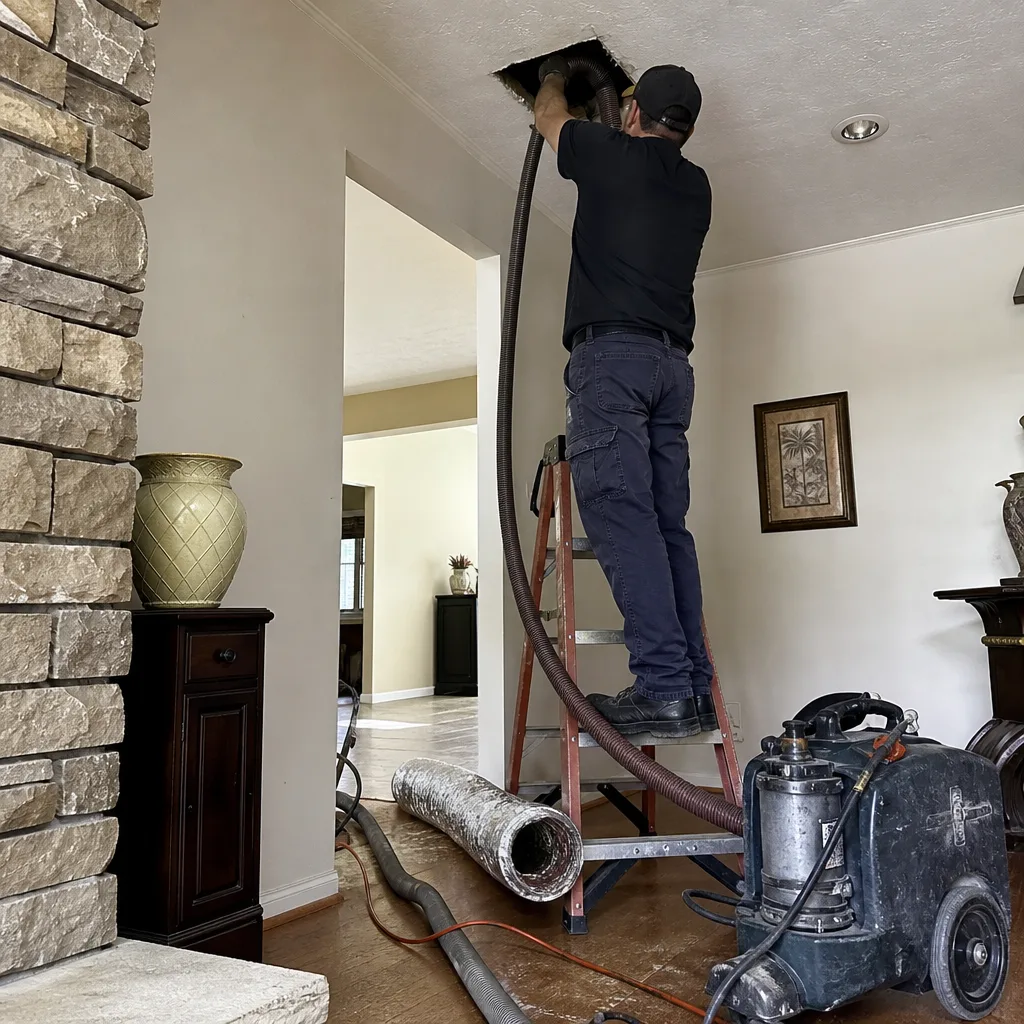 Before
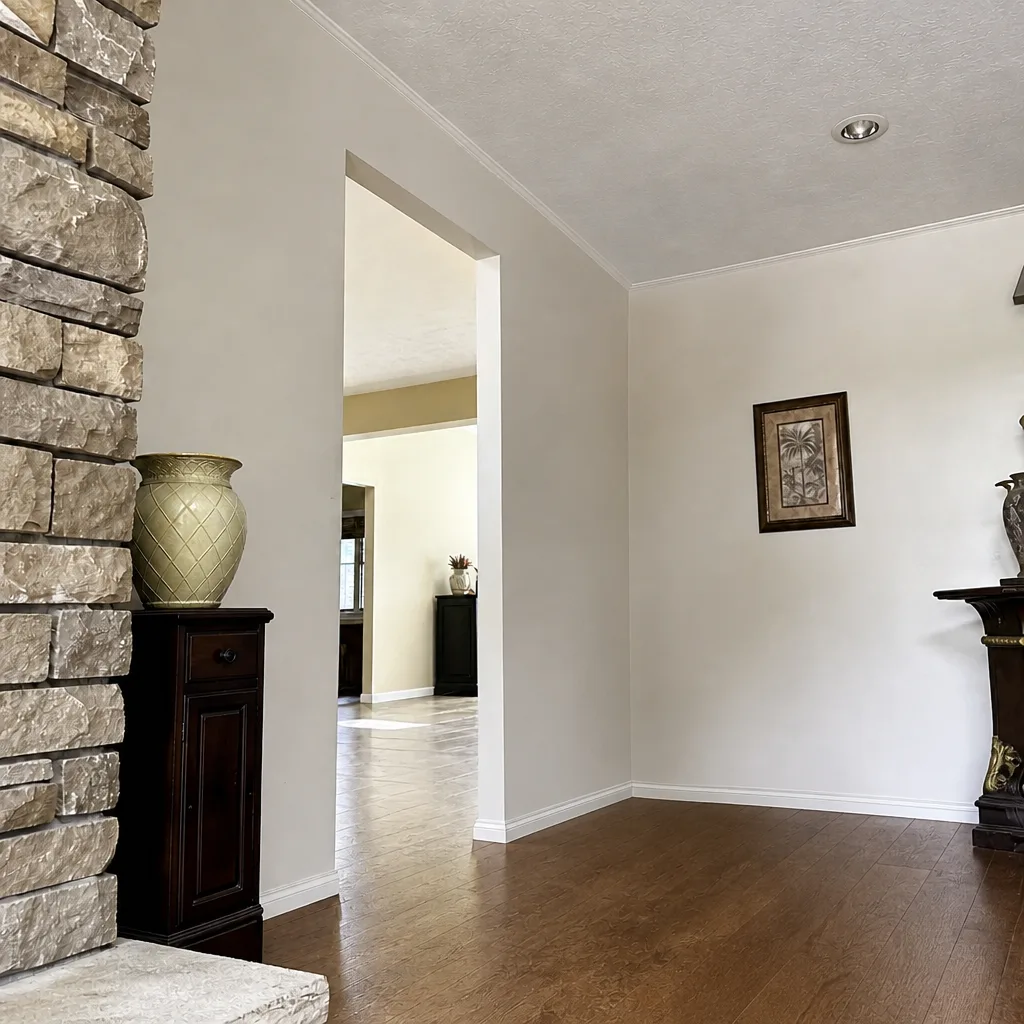 After
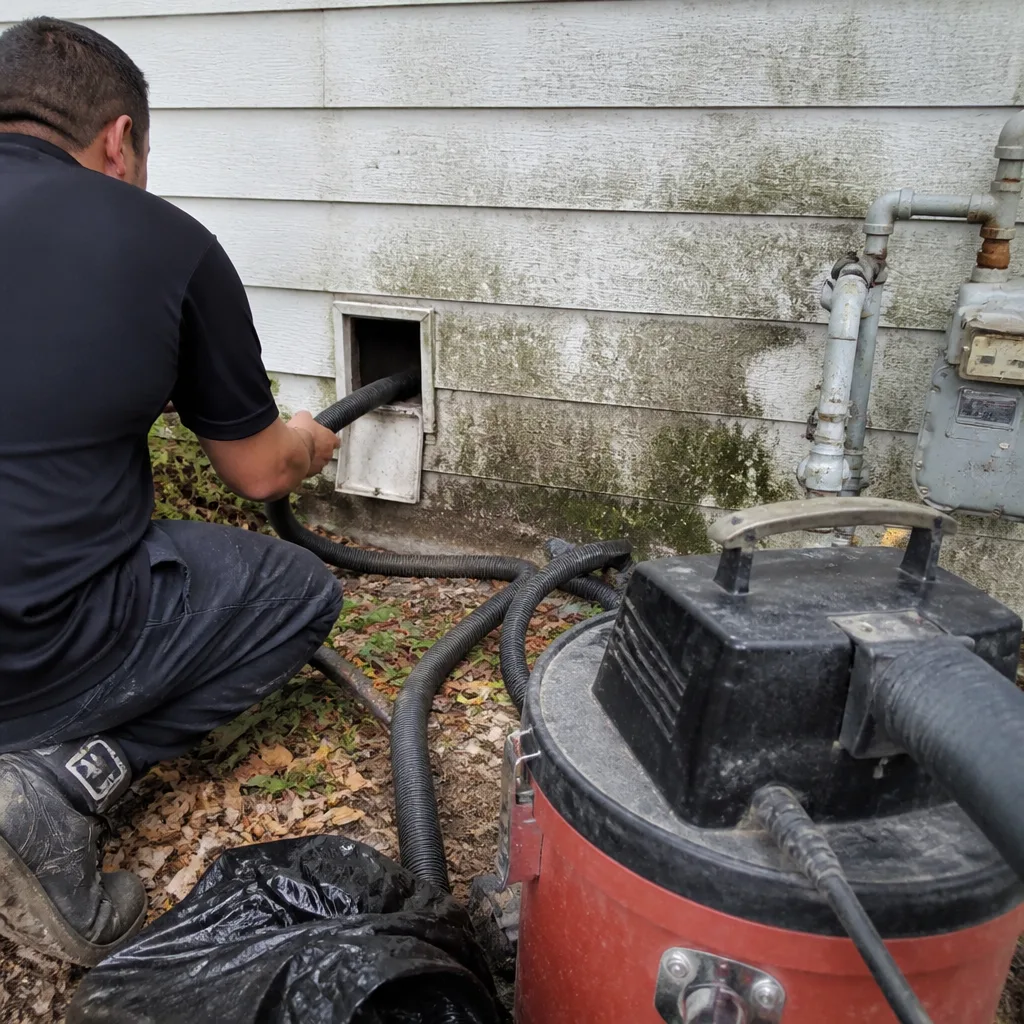 Before
 After
 Before
 After
When to Call a Professional
Some things are worth a call rather than a decision. If you’re seeing visible debris blow out of a register when the system starts, that’s a sign of a duct system that needs more than a filter change. If a musty smell returns within a few days of a cleaning, that points to a moisture problem the cleaning didn’t reach, and mold is a licensed-scope conversation under Florida Statute 489.552. If a duct has visible sag, a separated joint, or a crushed run, that’s repair, and depending on scope it may be permit territory. If you’re planning a sale of a Riverview home and there’s no permit history for a duct modification, get it documented now. Duct Cleaning Riverview offers free estimates in Riverview; call (866) 293-1514. We answer 24/7, with fast dispatch from 7am to 7pm, Sunday through Friday. The estimate is free and the price is set per job by the written estimate, so you know the scope before any work starts.
Frequently Asked Questions
No. Routine air duct cleaning does not require a permit in Riverview or anywhere in Florida, because cleaning is maintenance of an existing system rather than a modification. The moment a contractor replaces, reroutes, or relines duct sections, that’s a modification under the Florida Building Code and a permit is typically required through Hillsborough County. If you’re unsure which category your job falls into, ask the contractor to put the scope in writing. Call (866) 293-1514 and we’ll tell you what your job involves. Estimates are free.
Modification triggers the permit. Replacing a section of duct run, rerouting ductwork, adding or removing a supply or return, changing duct sizing, cutting into a trunk line to add a branch, or relining a deteriorated duct interior all typically require a permit under Florida Building Code Section 603, which governs duct construction. Cleaning, sanitizing, and clearing a dryer vent generally do not. The contractor performing the modification pulls the permit, not the homeowner. Confirm the requirement with the Hillsborough County building department for your specific job, and call (866) 293-1514 for a free estimate on the cleaning or repair side.
Yes. Florida Statute 489.552 establishes mold remediation as a licensed activity, so a duct system with visible mold growth or persistent musty odor may require a licensed mold remediation contractor rather than a standard duct cleaner. Routine cleaning of ordinary dust and debris is different from remediation of an active mold colony, and the right work depends on which one you have. Ask any contractor what they do if they find mold during cleaning. The answer tells you a lot. Call (866) 293-1514 for a free estimate and we’ll walk you through what we’d look for in your system.
It can. Florida insurers commonly request a 4-point inspection on older homes, and unpermitted duct modifications can create a question mark on that inspection, complicate a claim if a duct-related loss occurs, or delay a sale when a buyer pulls permit history. The protection is documentation. Keep the permit number and inspection record with your home’s records, and if you’re not sure whether duct work was permitted, ask the contractor or the county. If you’re in a Riverview home and want an inspection before a sale, call (866) 293-1514. Estimates are free.
Ask for the license number and verify it with the Florida Department of Business and Professional Regulation, which maintains a free public lookup. Duct cleaning, duct repair, and mold remediation fall under different license categories, so the license that covers cleaning may not cover repair or remediation. A contractor who does all three should be able to tell you which license applies to which scope without hesitation. Our technicians have up to experience and we’re happy to talk through licensing for any job. Call (866) 293-1514 for a free estimate.
A proper pre-clean inspection covers visible debris load and its type, moisture and any sign of mold, duct integrity including separated joints and crushed or sagging runs, the condition of the air handler and evaporator coil, the dryer vent, and any installed filtration equipment such as Honeywell or Aprilaire systems. That inspection determines whether the job is cleaning, repair, or remediation, and whether a permit applies. Skipping it means finding problems mid-job. Duct Cleaning Riverview offers free estimates in Riverview; call (866) 293-1514. We answer 24/7, with fast dispatch from 7am to 7pm, Sunday through Friday.
The Bottom Line
Cleaning your ducts doesn’t require a permit. Modifying them usually does. That’s the whole distinction, and it’s a distinction most homeowners in Riverview have never had explained to them. Florida Building Code Section 603 governs duct construction and repair. Florida Statute 489.552 governs mold remediation licensing. Hillsborough County administers the permit process, and the contractor performing the work pulls the permit, not you. Unpermitted duct work can surface on a 4-point inspection, complicate a claim, or delay a sale, and the cost of getting it documented is far smaller than the cost of discovering it later. Ask the questions before work starts. Keep the paperwork. And when a job involves more than vacuuming and brushing, make sure the answer you get is specific.
Duct Cleaning Riverview provides air duct cleaning, air duct repair, and dryer vent cleaning using Rotobrush rotary-brush systems, Nikro HEPA-filtration and negative-air equipment, and Abatement Technologies air scrubbers. We sell and install Honeywell and Aprilaire filtration and air-quality products, and we repair what we find during cleaning so a separate contractor isn’t needed for follow-up work. Our technicians have up to experience. Call (866) 293-1514 for a free estimate. We answer 24/7. Fast dispatch from 7am to 7pm, Sunday through Friday.
Written by the team at Duct Cleaning Riverview.