
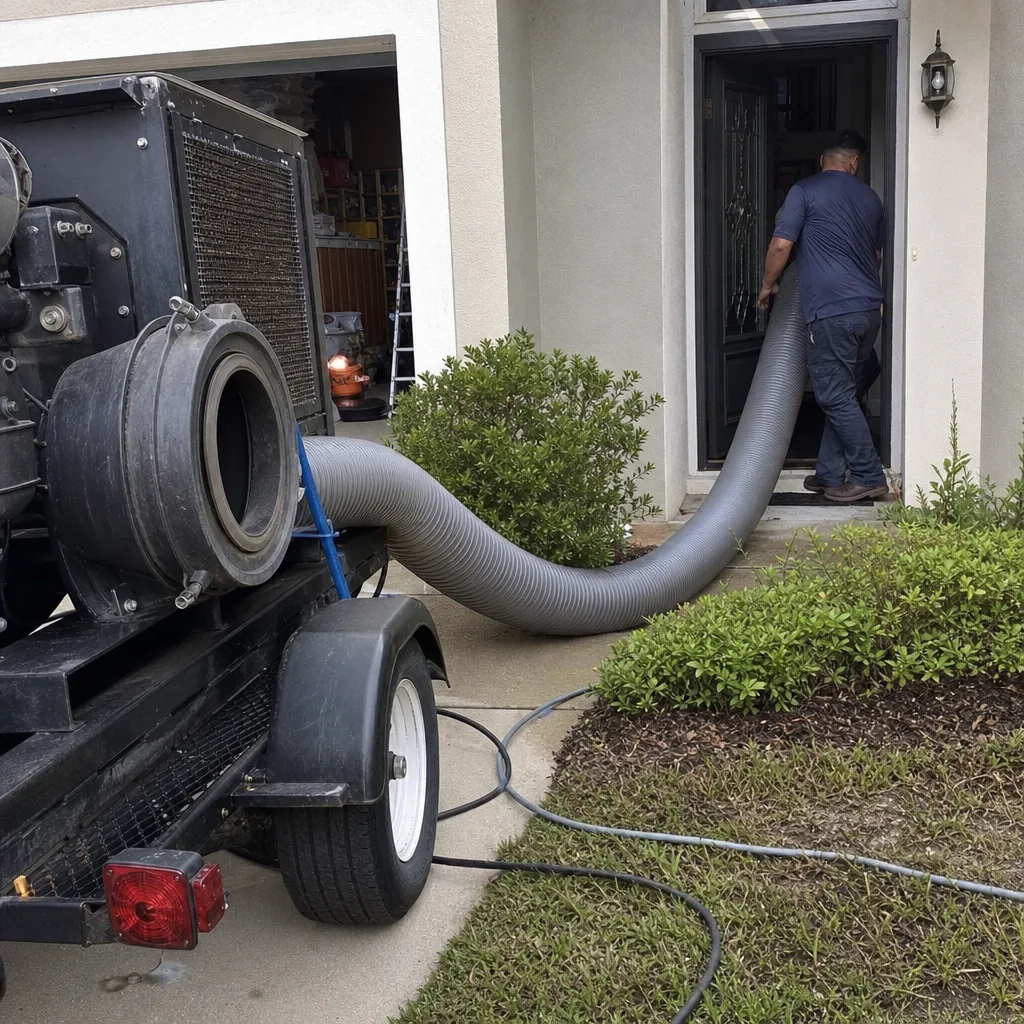
Last updated November 16, 2026
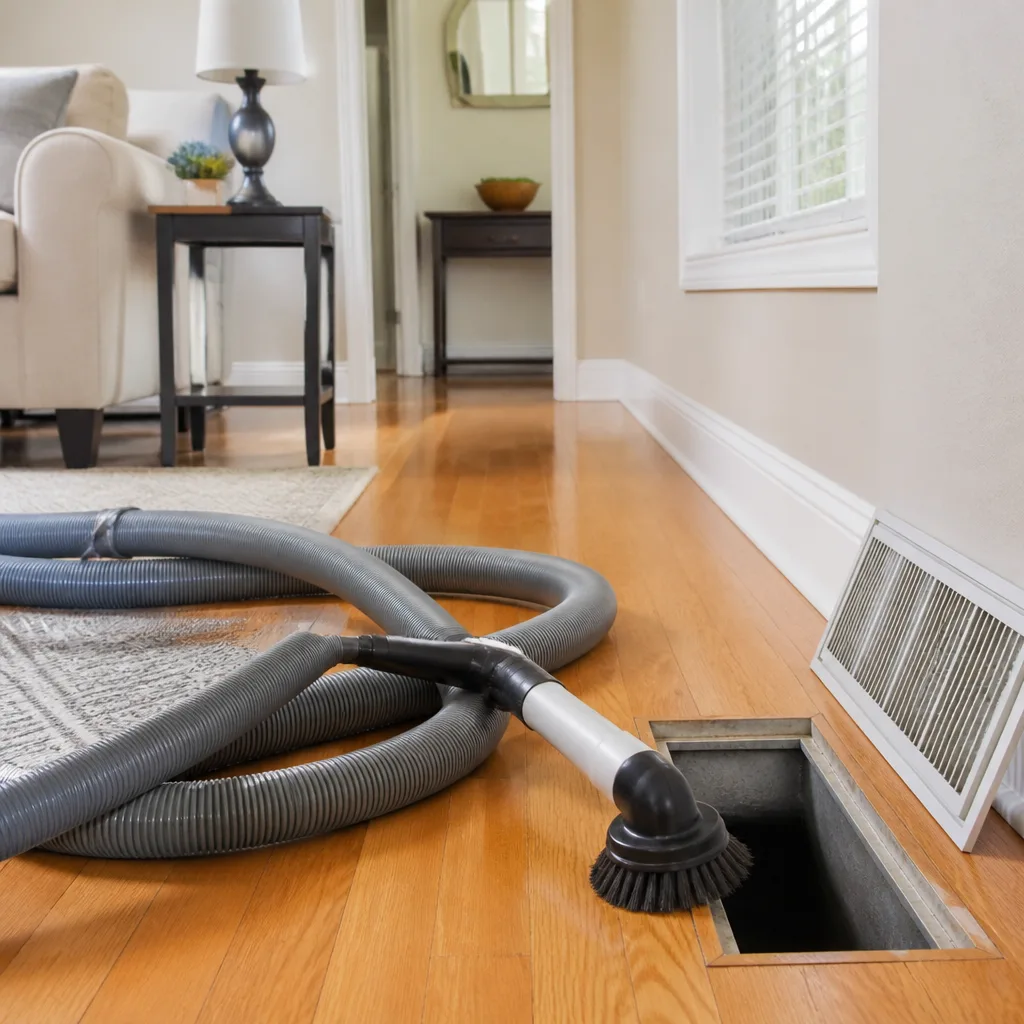 Whole-home duct cleaning
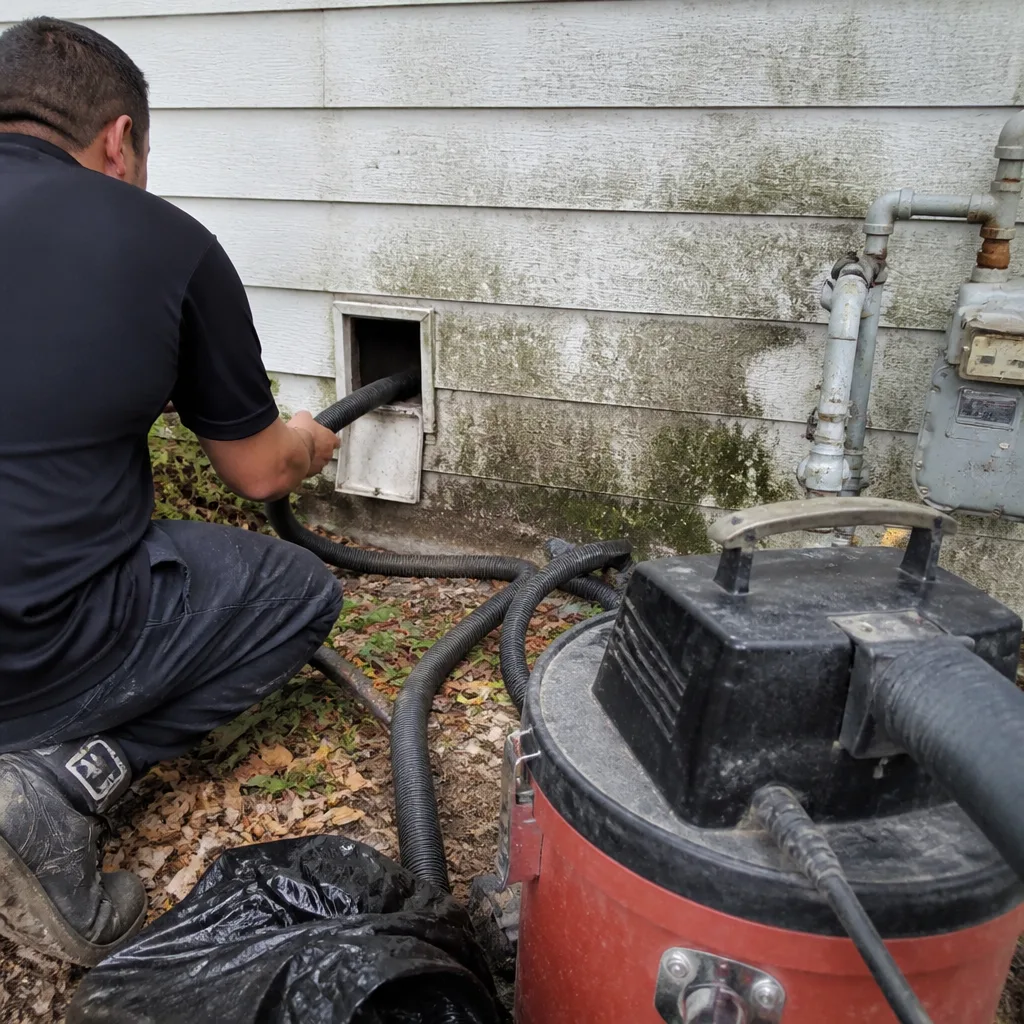
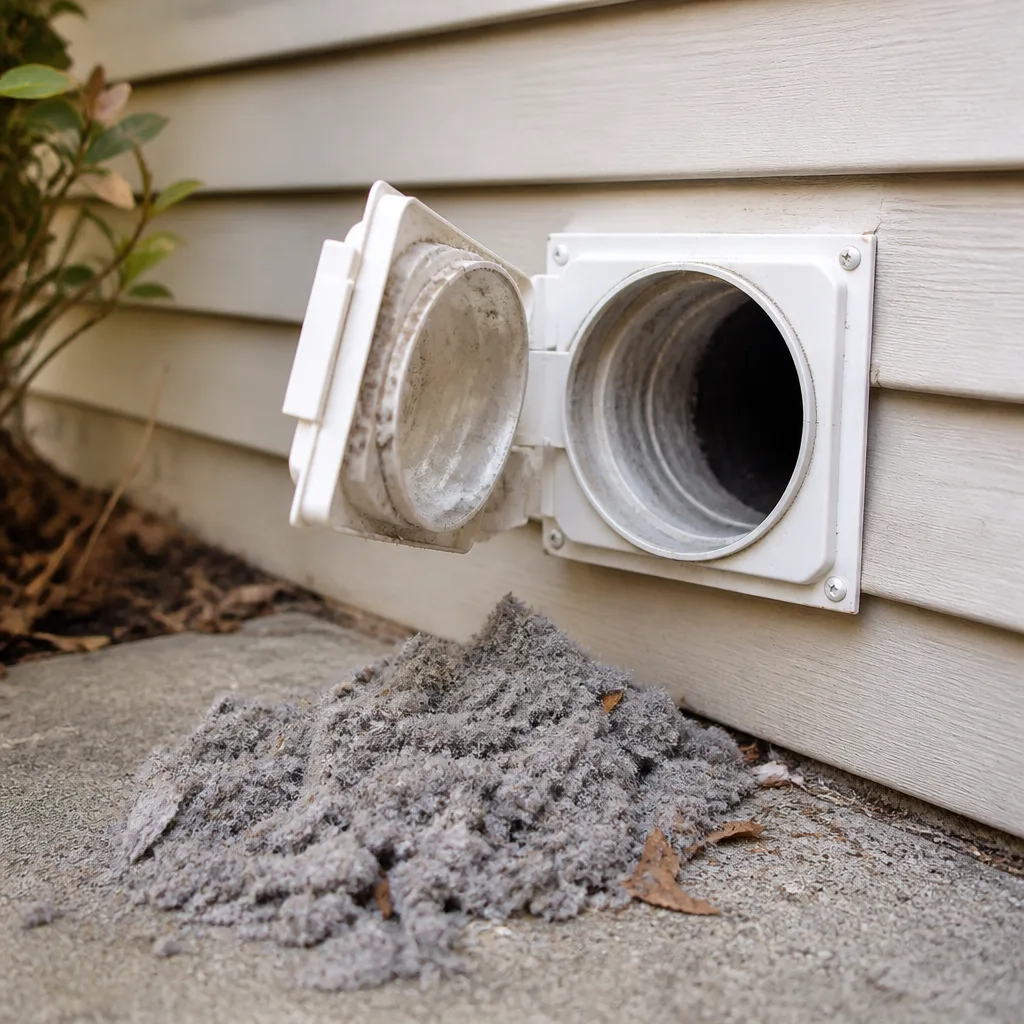 Dryer vent cleaning
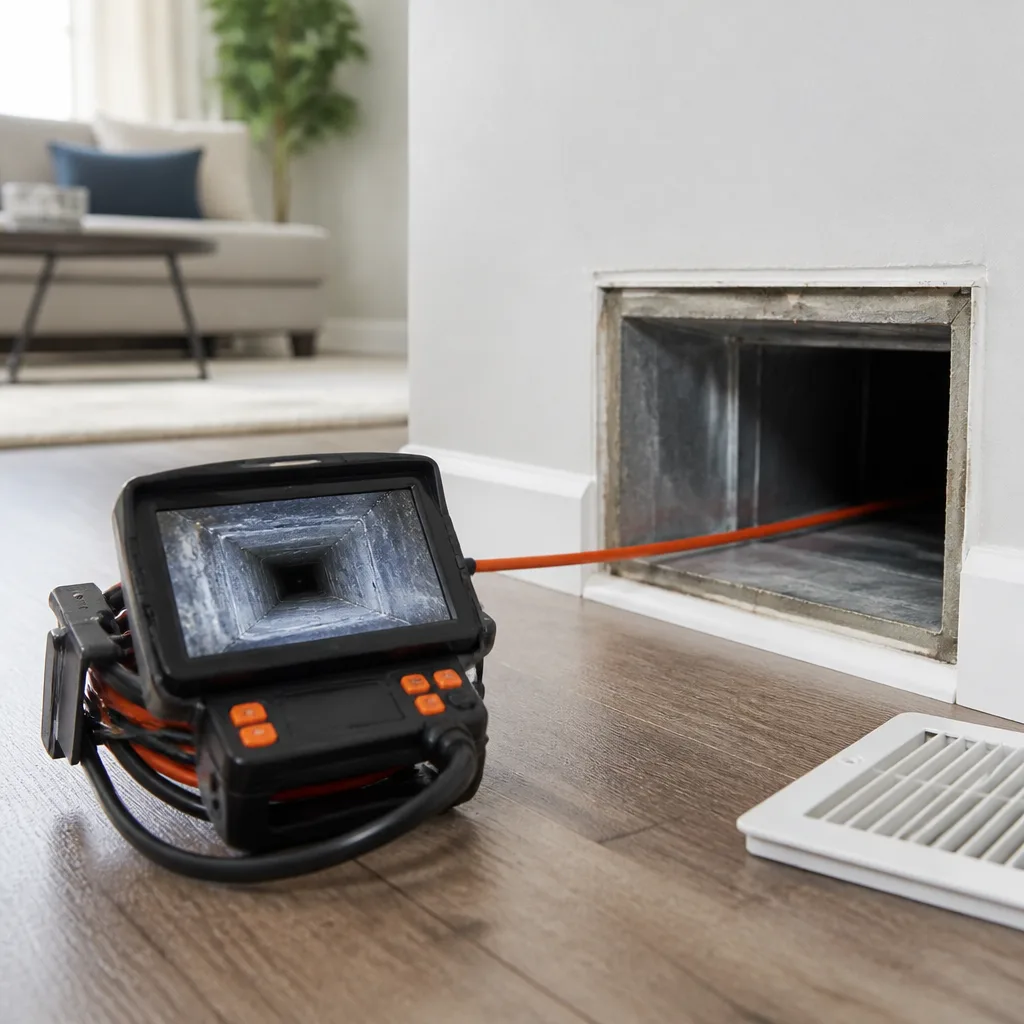 Camera inspection
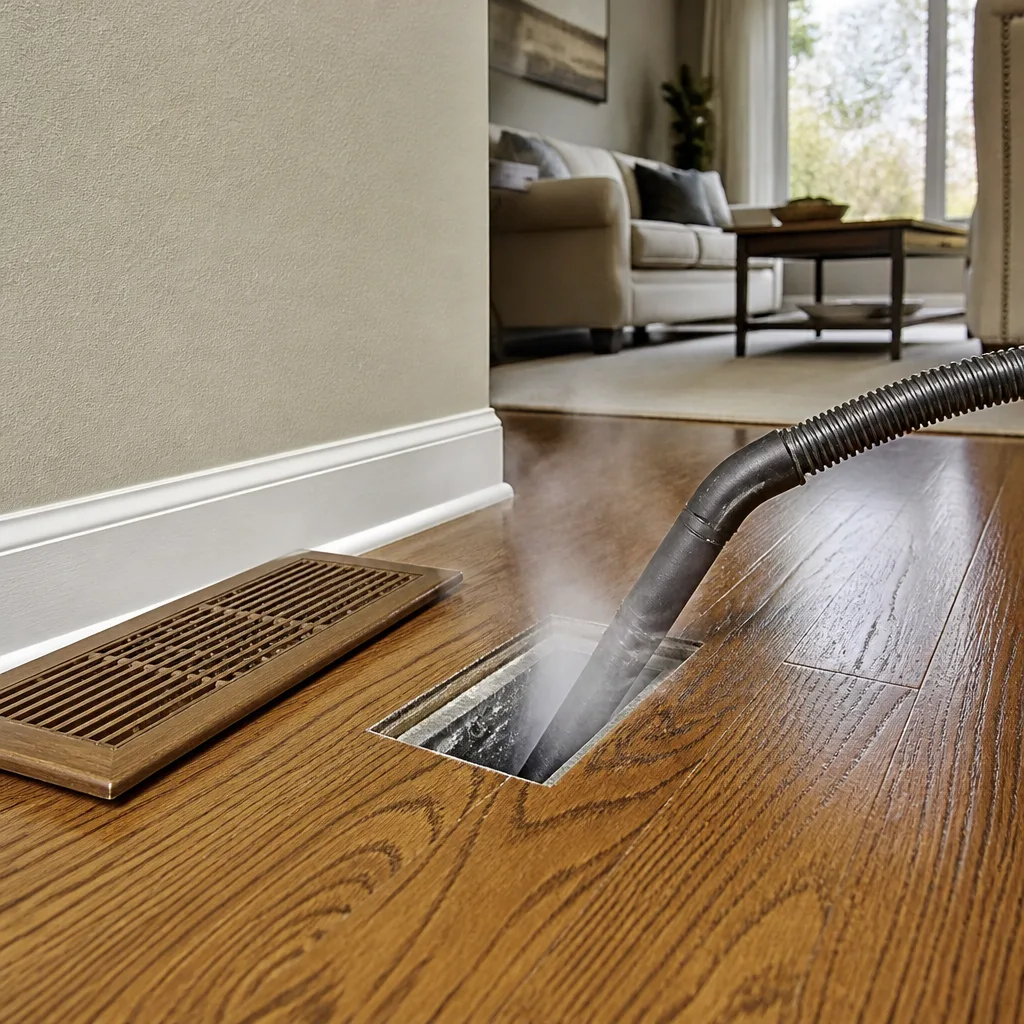 Sanitizing & deodorizing
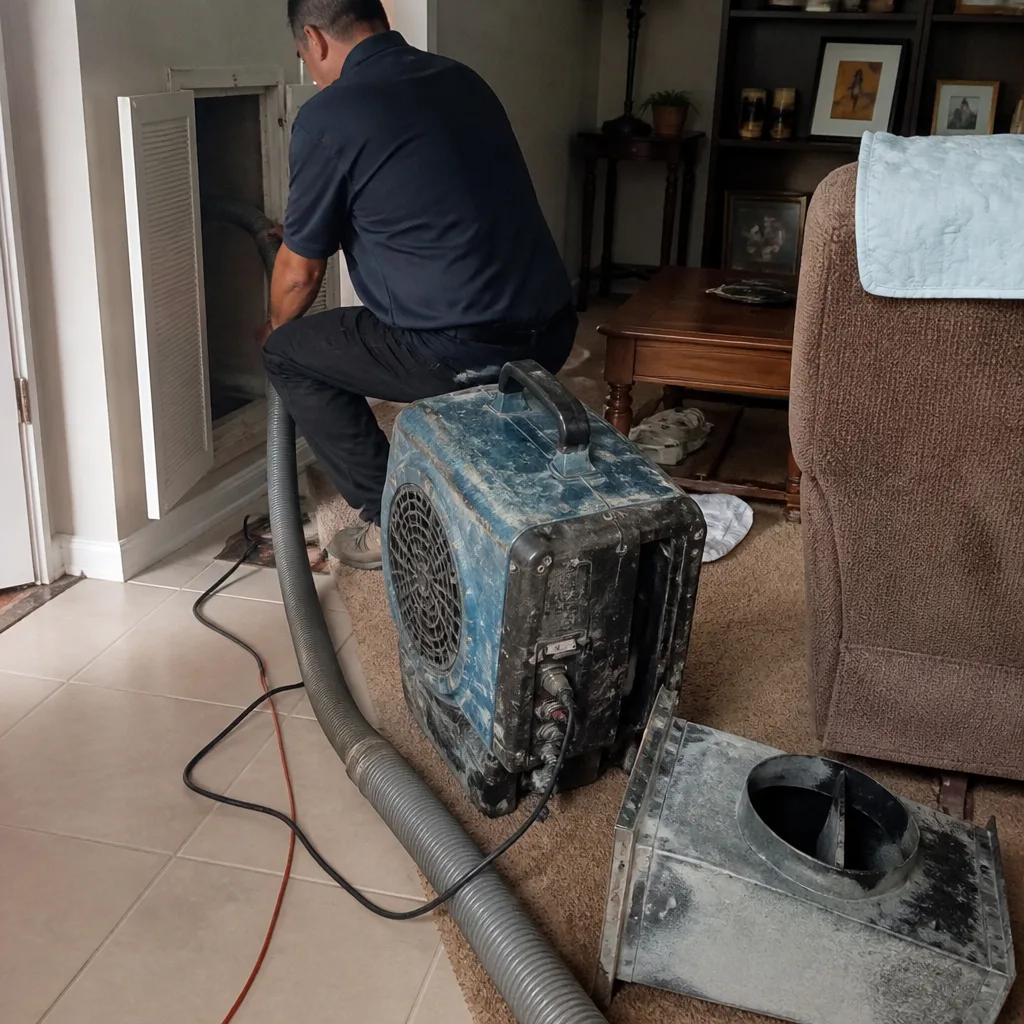
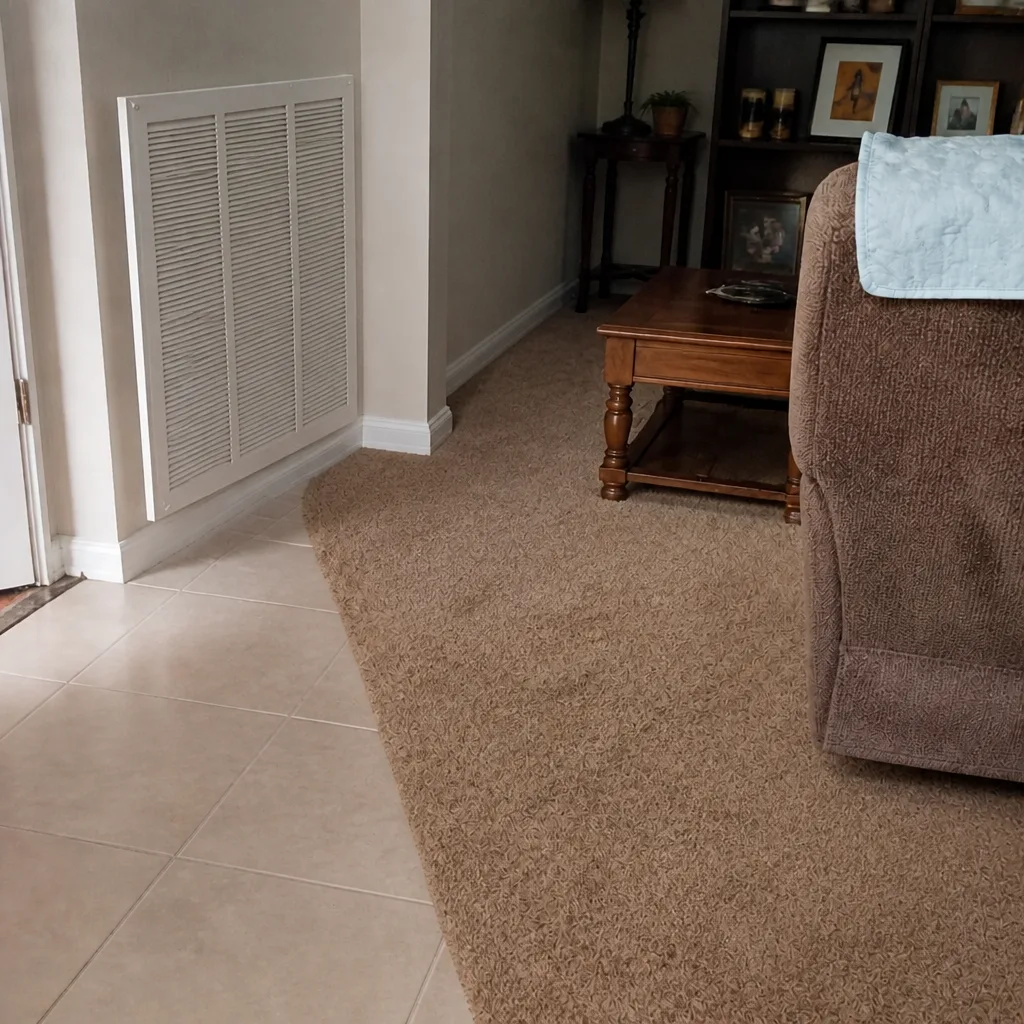
Whole-system duct and dryer vent check with before-and-after photos - you see exactly what came out of your vents
That "$99 whole-house special" is a bait ad - the real number appears once they are in your hallway, or the "clean" is a shop-vac at the register. We photograph the inside of your ducts before and after instead.
Choosing the Right Air Duct Cleaning Brand: A Buyer’s Guide for Riverview
Most homeowners compare duct cleaning companies the way they compare oil brands. Same category, different label, pick the cheaper one. That’s the wrong lens entirely. Rotobrush, Nikro, and Abatement Technologies aren’t interchangeable brand preferences, like choosing between two contractors because one drives a Ford and the other a Chevy. They represent fundamentally different engineering approaches to agitation, containment, and filtration. The machine a company has invested in determines what’s physically possible inside your ducts on the day of service. In this guide we’ll explain what each equipment platform is built to do, how to ask which one is coming into your home, and why a company running one machine for every job often can’t deliver the clean you’re paying for. Riverview homeowners deserve to choose with their eyes open.
Quick Answer
The right air duct cleaning brand in Riverview is the company that brings contact-agitation equipment (Rotobrush rotary brushes), negative-air HEPA containment (Nikro or Abatement Technologies), and the training to match the tool to your duct type and contamination level. A single machine run through every home regardless of material or buildup is a red flag. Ask which platform gets deployed for your specific ducts before you book, and expect a clear, specific answer.
Styles & brands we work with
- Whole-home duct cleaning
- Dryer vent cleaning
- Camera inspection
- Sanitizing & deodorizing
Table of Contents
- Why Equipment Brands Matter More Than Company Logos
- What Rotobrush Systems Do Mechanically
- What Nikro Equipment Is Engineered For
- What Abatement Technologies Brings to Mold and Particulate Jobs
- How to Ask a Contractor Which Platform They’re Deploying
- Why Multi-Platform Companies Are Better Positioned
- Matching the Equipment to Florida Duct Construction
- Questions That Reveal a Company’s Real Process
- Common Mistakes to Avoid
- When to Call a Professional
- Frequently Asked Questions
Why Equipment Brands Matter More Than Company Logos
A duct cleaning company’s marketing can say anything. Its equipment list cannot be faked for long, because the machines are expensive, they need maintenance, and the operator has to know how to run them. That’s why we tell Riverview homeowners to look past the logo and ask about the platform inside it.
Air duct cleaning has a reputation problem in this trade, and it’s earned. Budget crews blow compressed air through a register for a few minutes and call it a cleaning. Nothing is agitated, nothing is captured, and the dust that was settled on the duct walls gets pushed back into the living space. The homeowner sees a low invoice and a vague promise. The duct system sees almost nothing.
The equipment category tells you which kind of job you’re getting. Here’s the mental map:
- Light truck-mount or shop-vac blowers move air. They create the illusion of motion without scrubbing surfaces or containing what they disturb.
- Rotary-brush contact systems (Rotobrush) physically agitate duct walls while vacuum pulls the loosened material away.
- Negative-air HEPA units (Nikro) filter the air at high efficiency and hold the work zone under negative pressure so dislodged particles go into the machine, not the room.
- Remediation-grade air scrubbers (Abatement Technologies) handle compromised air quality where particulates or mold spores are part of the story.
Those are four different engineering answers to four different problems. Choosing the right company in Riverview means finding out which answer your ducts actually need.
What Rotobrush Systems Do Mechanically
Rotobrush is a rotary-contact extraction system. A rotating brush head travels through the duct while a high-efficiency vacuum runs continuously, so agitation and capture happen in the same pass. The brush scrubs the duct wall in a way air pressure alone cannot.
Why does that matter so much in Riverview? Because a large share of Florida residential construction uses flex duct, the corrugated, semi-rigid tubing that runs through attics and interior chases. Flex duct has ridges. Ridges trap material. A blower pushes air down the middle of that tube and leaves the ridge valleys untouched. A rotary brush physically contacts those valleys.
Rotobrush systems are built for this:
- The brush is sized to the duct. Different heads handle different diameters so the brush contacts the wall without tearing the liner.
- Agitation and vacuum run together. Material loosened by the brush is extracted in the same motion instead of being left to resettle.
- The head follows the run. Technicians run the tool through the length of each branch, not just the first few feet past the register.
- It handles the supply and return sides. Both sides hold buildup and both need contact cleaning.
This is what “mechanically extracted, not just blown out” means in practice. You can see the difference in before-and-after photos of your own duct interior: the corrugation reads clean instead of dust-filled.
What Nikro Equipment Is Engineered For
Nikro builds negative-air machines and HEPA vacuum units, and they were designed for restoration and remediation work rather than routine residential housekeeping. That origin matters when contamination is heavy.
Where a rotary-brush setup is precision work along the duct run, a Nikro unit is about the air handler and the job site. The air handler and the plenum above it are the dirtiest parts of most systems, because that’s where the filter sits and where every return airstream converges. Coils, blower wheels, and cabinet interiors collect a film that a brush in the branch line won’t reach.
A Nikro negative-air machine does a specific job: it filters the air at HEPA efficiency and pulls the work zone into negative pressure so particles that get airborne get captured instead of drifting into your kitchen.
- Heavy contamination extraction at the air handler and plenum
- HEPA filtration of exhaust air during cleaning
- Negative pressure that keeps the living space from receiving what gets disturbed
- Containment when a system has been running without adequate filtration
In our experience, the scenario that calls for this platform is a system that’s gone a long time between cleanings, or one where the filter has been undersized or loose. That’s more common than people think in Riverview homes where the AC runs almost year-round.
What Abatement Technologies Brings to Mold and Particulate Jobs
Abatement Technologies makes air scrubbers and HEPA containment equipment, the same class of machine used in professional mold remediation and restoration. When a duct system has a moisture problem, that class of equipment is not optional.
Moisture in ducts is a Florida-specific concern. Air conditioning systems here run hard for most of the year, and the evaporator coil produces condensate. A drain line that clogs or a pan that doesn’t empty can leave the plenum damp. Damp insulation lining and dust make a good environment for biological growth. When that happens, routine cleaning is no longer the whole answer; the contamination has to be handled with containment.
What Abatement-class equipment provides:
- HEPA filtration at remediation grade. Particles that would pass through a standard filter get trapped.
- Negative air pressure. The work area is held at lower pressure than the surrounding space so contaminants move toward the machine, not into the home.
- Air scrubbing during the job. The air is continuously cycled and filtered while work proceeds, which matters in occupied homes and light-commercial spaces.
- A documented process. Remediation-grade equipment implies remediation-grade method, which usually means the technician can explain each stage.
If a company tells you every job looks the same to them, ask whether they own equipment in this class at all. That’s the question that separates a duct specialist from an air-moving crew.
How to Ask a Contractor Which Platform They’re Deploying
You don’t need a technical background to tell a prepared contractor from an unprepared one. You need two or three specific questions and a sense of how the answer comes back.
Questions to ask before you book:
- “What equipment will you use on my ducts specifically?” A good answer names the platform and ties it to your duct type. A bad answer is “our special truck-mounted system” with no detail.
- “How do you agitate the duct walls?” The answer should involve physical contact, usually a rotary brush. If the answer is “high-pressure air,” that’s agitation’s opposite.
- “What do you do about containment while you work?” Look for negative pressure and HEPA filtration. If the technician’s vacuum exhausts into your living room, you’re being sold a dust redistribution.
- “How do you handle flex duct?” Flex is common in Riverview homes. A specialist knows which brush heads and pressure settings are appropriate and which will damage the liner.
- “Will you show me before-and-after photos of my own ducts?” Yes means the company can document its work. A vague nod means it probably can’t.
- “Can you repair a damaged duct if you find one?” Cleaning often uncovers torn flex, disconnected joints, or crushed runs. A specialist handles repair in the same visit.
One more habit that pays off: ask each of these questions of two or three companies in Riverview and compare the depth of the answers. The contrast is usually obvious.
Why Multi-Platform Companies Are Better Positioned
A company that owns one machine runs one machine on every house, because that’s what the business model can support. A company that owns and operates several platforms can match the tool to the problem. That’s not a small difference. It’s the difference between a service that fits your ducts and one that’s forced onto them.
Consider a few realistic Riverview situations:
- A standard flex-duct home with moderate dust. Rotary brush plus HEPA extraction is the right answer.
- An older home with heavy buildup at the air handler. The plenum needs negative-air HEPA work, not just branch-line brushing.
- A system with a suspected moisture problem in the lining. Air scrubbers and containment come in before anything else.
- A light-commercial space with a large-volume system. Equipment selection has to match the scale of the ductwork.
A single-machine outfit gives the same answer to all four. A multi-platform specialist gives you the answer your system needs. That’s the argument for choosing the equipment portfolio over the price list, and it’s the difference between hiring a brand and hiring the right process.
At Duct Cleaning Riverview, we run Rotobrush rotary systems for contact extraction, Nikro negative-air and HEPA units for containment and heavy soil, and Abatement Technologies scrubbers for remediation scenarios. We also supply and install Honeywell and Aprilaire filtration and air-quality products, so a clean can be followed by a genuine upgrade in filtration rather than the same undersized filter back in the grill. For more on how the standard service works, see air duct cleaning in Riverview.
Matching the Equipment to Florida Duct Construction
Riverview duct systems have characteristics worth knowing before you hire anyone. Understanding them makes you a sharper buyer.
Flex duct dominates. Much of the residential construction in the Riverview area uses flexible ductwork routed through the attic. Flex duct is efficient to install but has corrugated walls that trap dust, so contact agitation gives a bigger gain here than it would in a smooth metal duct system.
The cooling season is long. Air conditioning in Riverview runs most of the year, which means the blower is moving air through those ducts for hundreds more hours annually than in a northern climate. More hours of airflow means more accumulation, and more reason to take the process seriously.
Attic heat and humidity. Duct runs in the attic sit in a hot, humid environment. Insulation and joints need inspection during service. A company that cleans but never checks duct integrity is doing half the job.
Light-commercial systems in the same market. Many small businesses in Riverview share the same building stock and the same dust load. A specialist who serves residential and light-commercial work understands both scales.
If you want the regional picture, the Riverview page covers the local context. The short version: your ducts work harder here than most generic duct-cleaning advice assumes, which is why the equipment question matters.
Questions That Reveal a Company’s Real Process
These are the follow-ups that separate a prepared specialist from a price-first operation. Keep them in a note on your phone and run through them on the call.
- “Do you agitate, or just blow?” Agitation is the whole ballgame. If the answer doesn’t include a physical tool, the answer is incomplete.
- “What’s your containment setup?” Look for negative air and HEPA filtration. If the answer is “we put down drop cloths,” ask more.
- “Which parts of the system do you clean?” Supply and return branches, trunks, the plenum, the air handler. Only registers means nothing.
- “Do you quote per system or per vent?” Per-vent quoting lets the final number grow once the technician is inside. Per-system pricing is a fixed, whole-system number agreed before work starts.
- “Will I see photos before and after?” A specialist can show you the inside of your own ducts. That’s the evidence.
- “Will you repair what you find?” Torn flex, disconnected joints, and crushed runs are common. A repair-capable company finishes the job instead of handing you a problem to forward to another contractor.
- “What does your written estimate cover?” The estimate should be written and the price set by it. No fee should appear on the invoice that wasn’t on the page.
Ask these questions of anyone quoting you in Riverview. The companies that answer clearly have nothing to hide, and the ones that hedge have everything to hide.
Common Mistakes to Avoid
- Booking on lowest price alone. A rock-bottom quote is the business model, not the exception. It usually means one blower, no containment, and a per-vent tally that balloons once the technician is inside. Ask for the whole-system price in writing before you book.
- Never asking about the equipment. If you don’t know whether a company runs a rotary brush or a blower, you’re choosing blind. One question about platform separates the two categories of provider.
- Accepting a per-vent quote. Per-vent pricing turns a clear estimate into an open-ended job. Whole-system pricing tied to a written estimate is the fair structure.
- Skipping the air handler. Cleaning branches and leaving the plenum dirty is like washing a floor with the drain still open. The heaviest soil sits at the air handler, and the job isn’t complete until that’s part of the scope.
- Ignoring duct damage. Torn flex, disconnected joints, and crushed runs in a Riverview attic don’t fix themselves during a clean. A specialist who can repair what they find saves you a second visit from another trade.
- Forgetting the dryer vent. A clogged dryer vent is a fire-risk item, not a comfort item. Getting the vent cleared as its own service is worth doing independently of the duct work, especially if you’ve never had it done.
- Assuming all duct-cleaning brands are equivalent. Rotobrush, Nikro, and Abatement do different jobs. The right brand for your system depends on your duct type and contamination, not on which name you’ve heard the most.
When to Call a Professional
Some duct conditions are beyond a filter change and a vacuum. Call a professional if you’ve never had the system cleaned, if your registers show visible dust when you run a finger across them, if the return grill looks dark with buildup, if you can smell a musty odor when the AC starts, if you’ve recently finished a remodel that involved drywall or flooring, or if a dryer is taking two cycles to dry a load. If you suspect moisture in the duct lining, treat that as the priority; a remediation-capable company with HEPA containment should be the call. Duct Cleaning Riverview offers free estimates in Riverview and works with residential and light-commercial customers on cleaning, repair, and dryer vent cleaning. Call (866) 293-1514 for a free estimate. We answer 24/7. Fast dispatch from 7am to 7pm, Sunday through Friday.
Frequently Asked Questions
Typical whole-system air duct cleaning in the Riverview market runs a range, and the final figure depends on the size of the system, duct material, and the level of buildup; we set one flat price per system and confirm it in a written estimate before any work begins, so the number you agree to is the number you pay. We don’t quote per vent, because that’s the structure that lets invoices grow once the technician is on site. Call (866) 293-1514 for an exact quote. Estimates are free.
Cheaper quotes usually reflect a different scope, not a different price for the same work. A low figure often means a single blower with no rotary agitation and no negative-air containment, per-vent pricing that adds up in the living room, or a service that never touches the air handler and plenum. If you want to compare apples to apples, ask each company to describe its equipment and which parts of the system it cleans. Call (866) 293-1514 for an exact quote. Estimates are free.
Before-and-after photos of your own ducts are the cleanest evidence, because the interior is otherwise invisible to you. Ask for them before booking, and ask to see the interior of a branch line and the plenum area. A specialist who uses a rotary brush can show the difference in the corrugations. Call (866) 293-1514 for an exact quote. Estimates are free.
There’s no fixed calendar answer, but a practical guideline for Riverview homes is every few years under normal use, sooner after a major remodel, a move-in with unknown history, water damage, or visible buildup at the registers. Long cooling seasons here mean the blower runs more hours, which is one reason to check periodically rather than wait for a problem. Call (866) 293-1514 for an exact quote. Estimates are free.
No. A regular duct vacuum is a vacuum, while Rotobrush is a rotary-contact system that brushes the duct wall while extracting; the brush physically lifts material from the corrugations in flex duct, and the vacuum captures it in the same pass. That’s what “mechanically extracted, not just blown out” means. Call (866) 293-1514 for an exact quote. Estimates are free.
Nikro units are negative-air HEPA machines built for heavy contamination extraction and air handler work, while Abatement Technologies air scrubbers are the equipment class used in mold and restoration remediation, with more containment capability for compromised air quality. Which one a job calls for depends on what’s actually in the duct system. Call (866) 293-1514 for an exact quote. Estimates are free.
Yes. Dryer vent clearing is offered as a standalone safety service, because lint buildup in the vent line is a fire risk independent of duct dust. If your dryer loads are taking longer to dry or the outside vent flap barely moves, it’s worth scheduling on its own. Call (866) 293-1514 for an exact quote. Estimates are free.
Yes. Torn flex, disconnected joints, and crushed runs come up regularly, especially in attic duct systems, and a cleaning that leaves damage in place has only done part of the job. We handle repair as a natural extension of the service rather than sending you to a separate contractor. Start with Duct Cleaning Riverview if you want the overview of everything we do. Call (866) 293-1514 for an exact quote. Estimates are free.
The Bottom Line
Choosing an air duct cleaning brand in Riverview is really choosing an equipment portfolio and the process behind it. Look for contact agitation (Rotobrush), negative-air HEPA containment (Nikro), and remediation-grade air scrubbing (Abatement) where the situation calls for it. Ask the questions, insist on before-and-after photos of your own ducts, and get a written estimate with one flat price per system. Skip the per-vent quotes and skip anyone who can’t tell you which platform is coming into your home. Our technicians have up to experience, and we’re glad to walk through the equipment choice with you before you book. Call (866) 293-1514. We answer 24/7. Fast dispatch from 7am to 7pm, Sunday through Friday.
Written by the team at Duct Cleaning Riverview.
See the difference
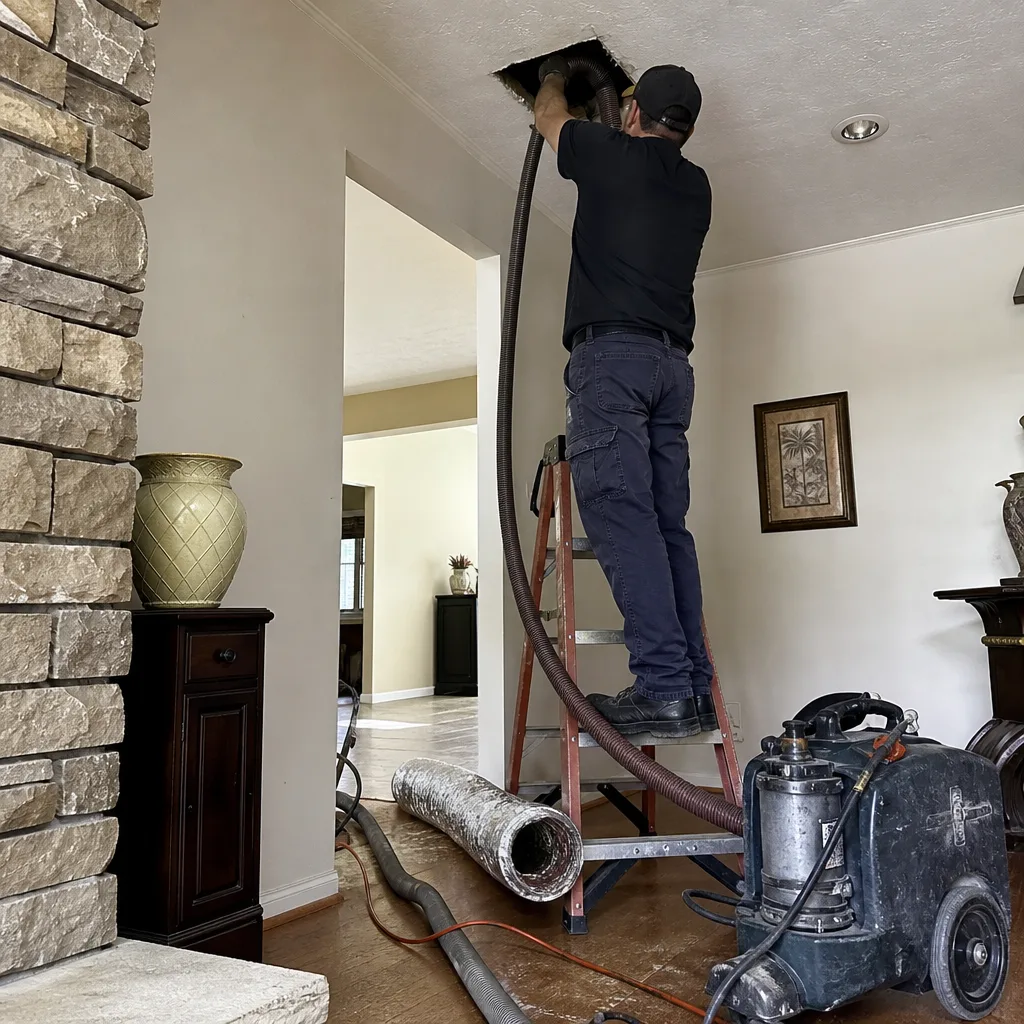 Before
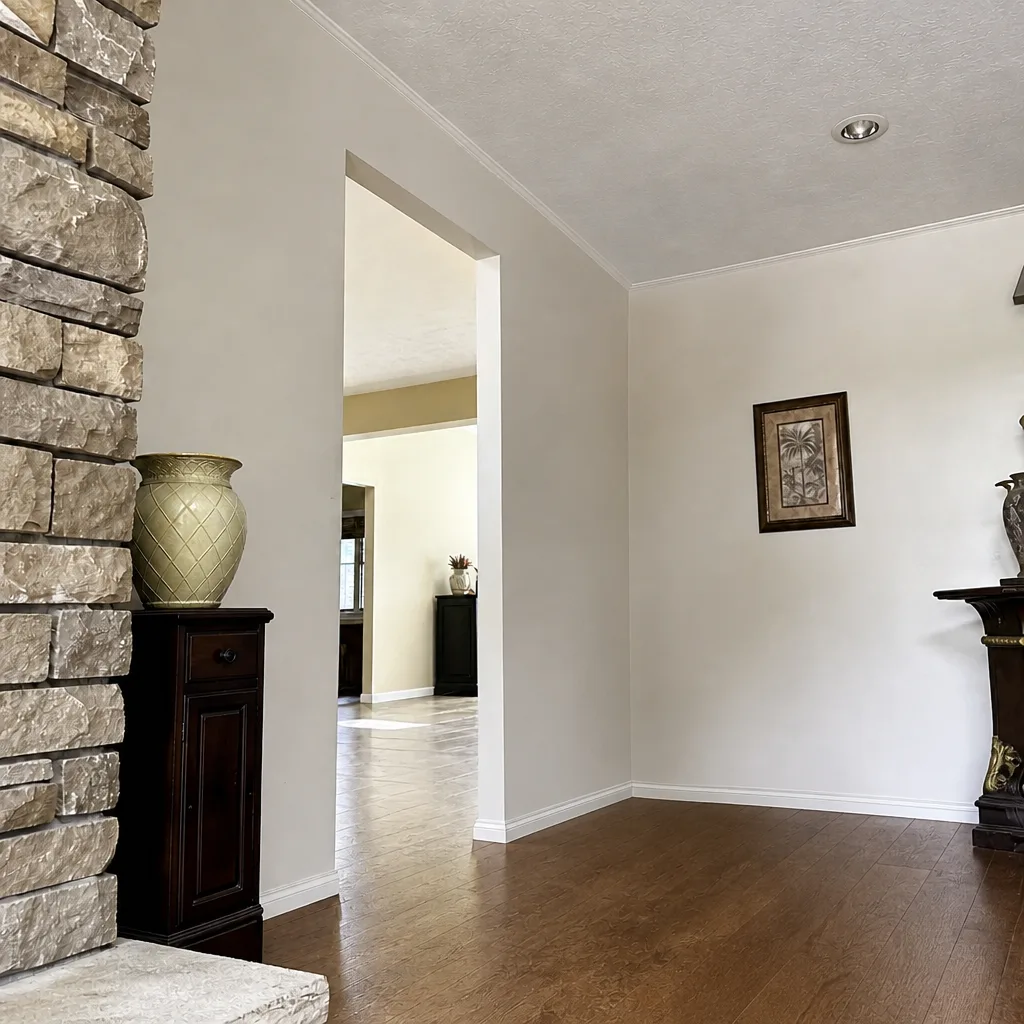 After
 Before
 After
 Before
 After