
Last updated November 16, 2026
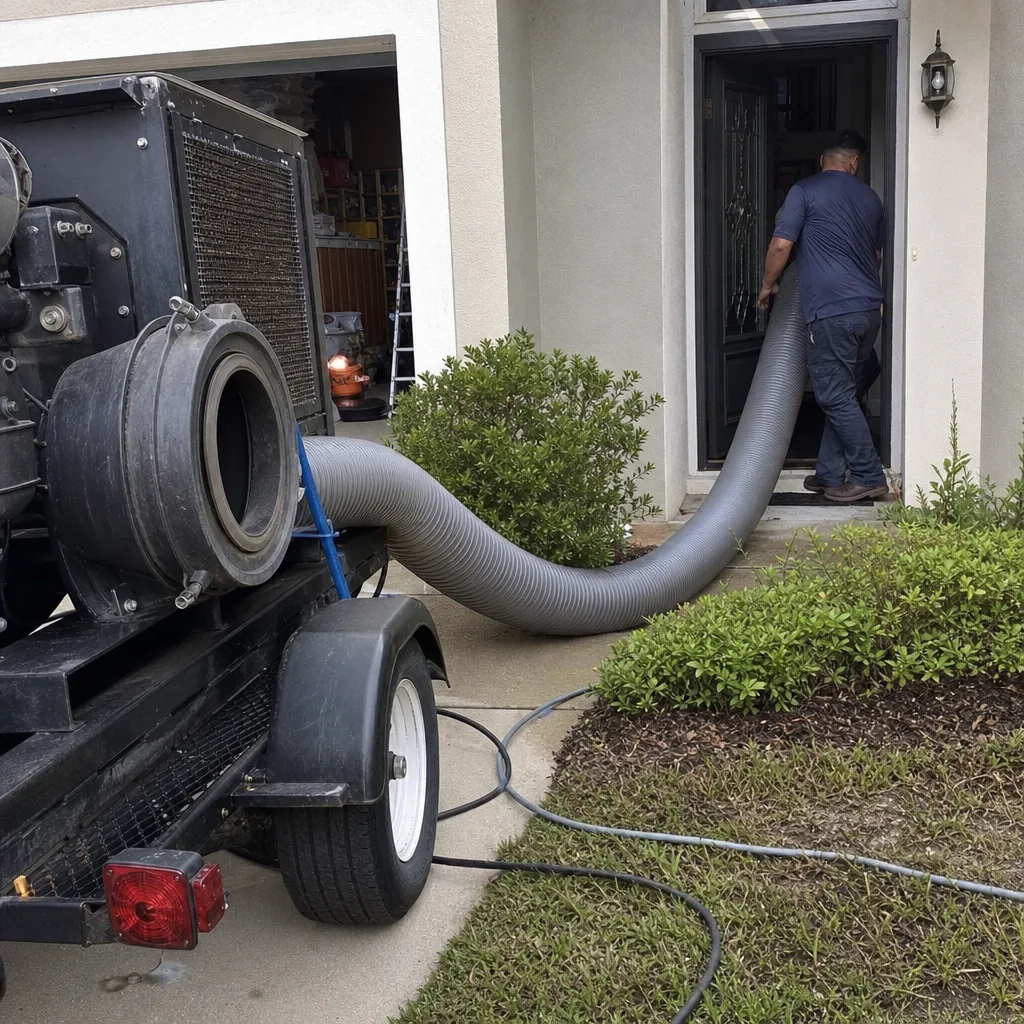
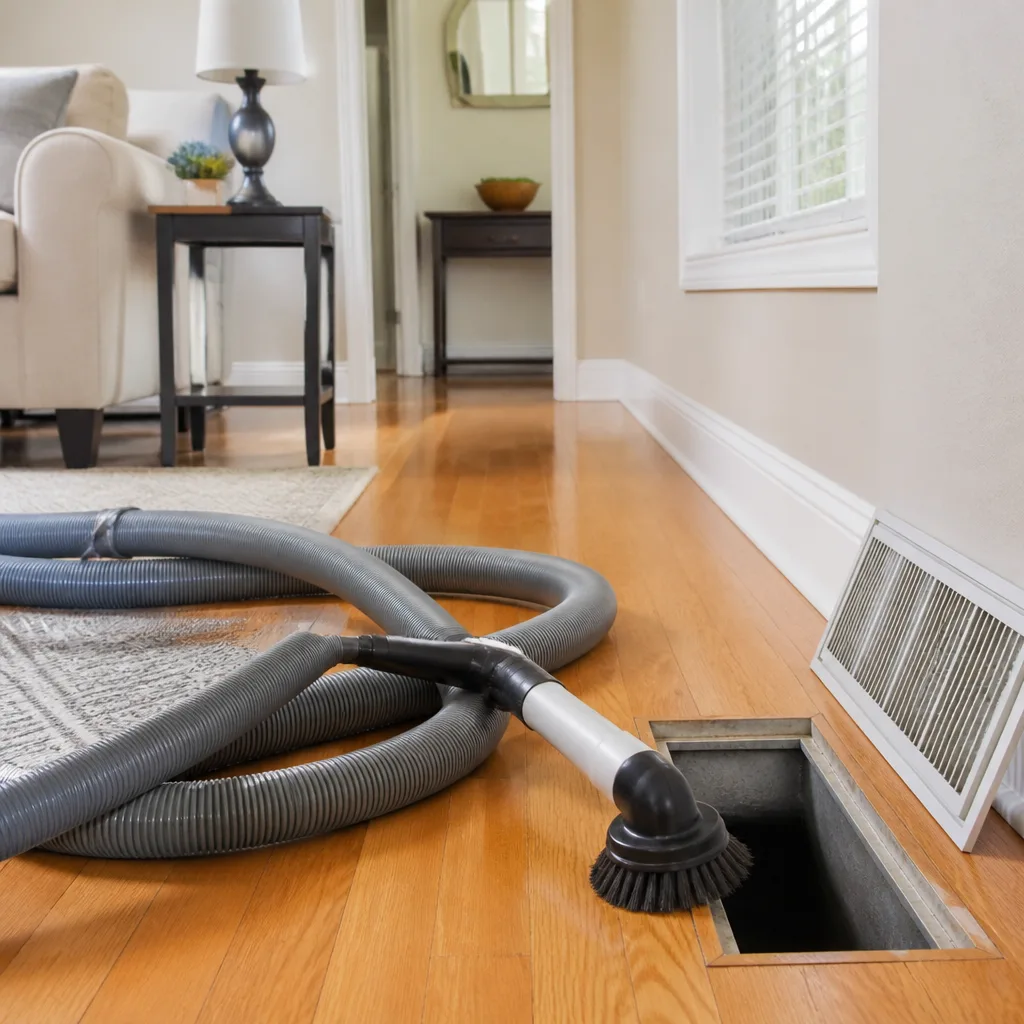 Whole-home duct cleaning
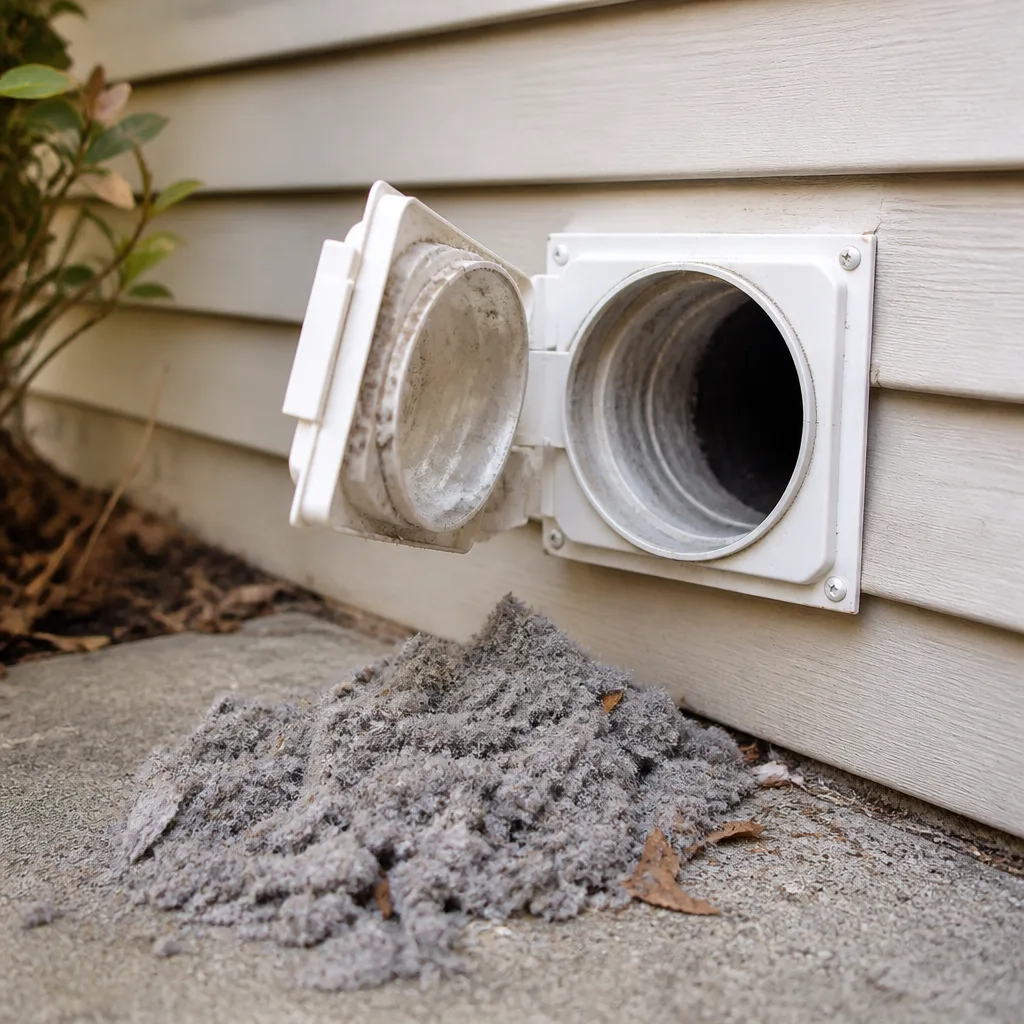 Dryer vent cleaning
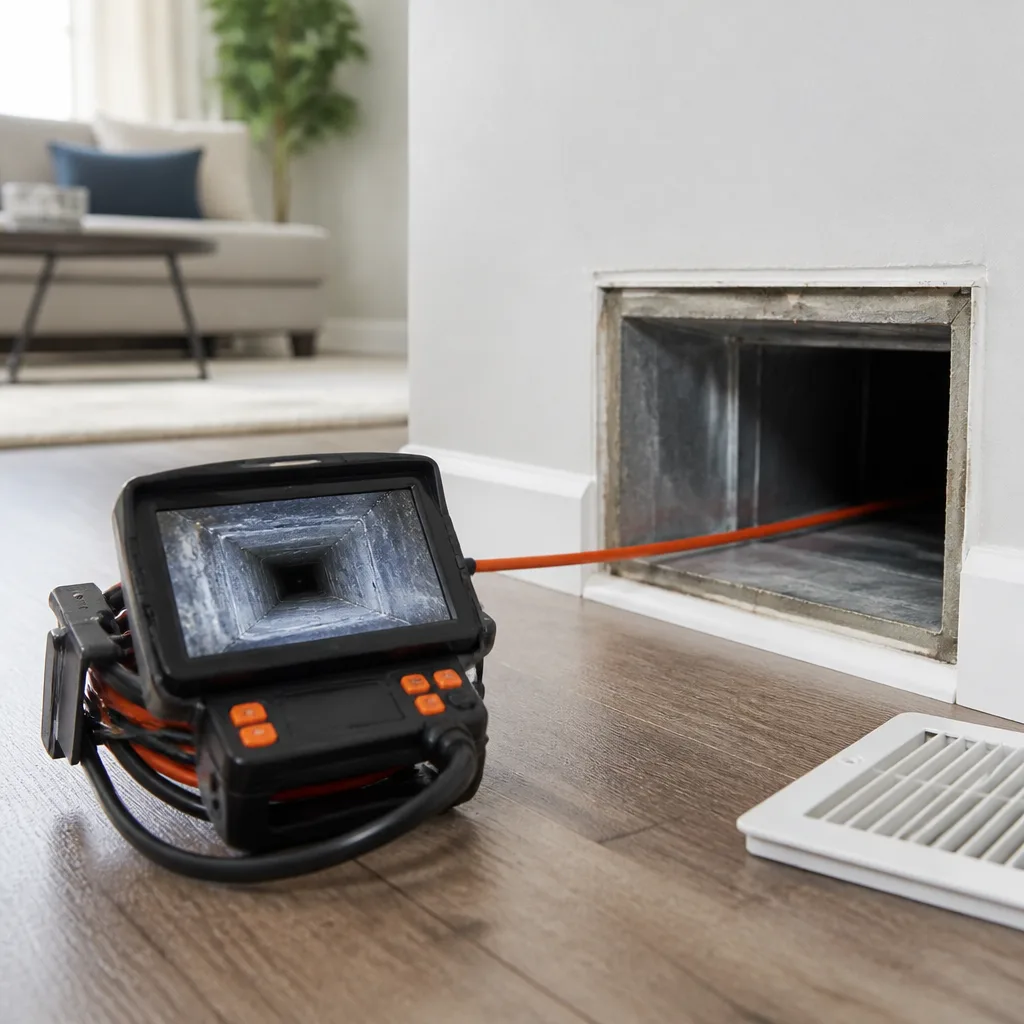 Camera inspection
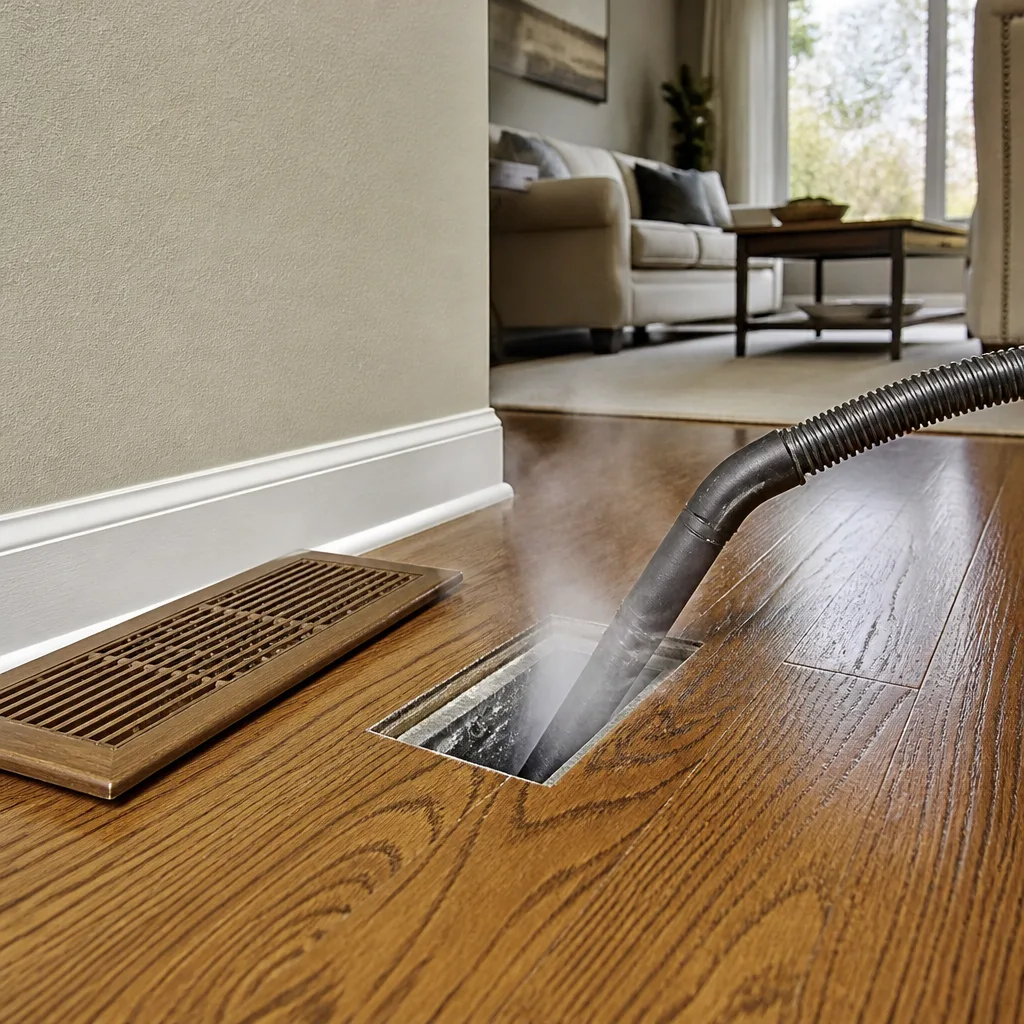 Sanitizing & deodorizing
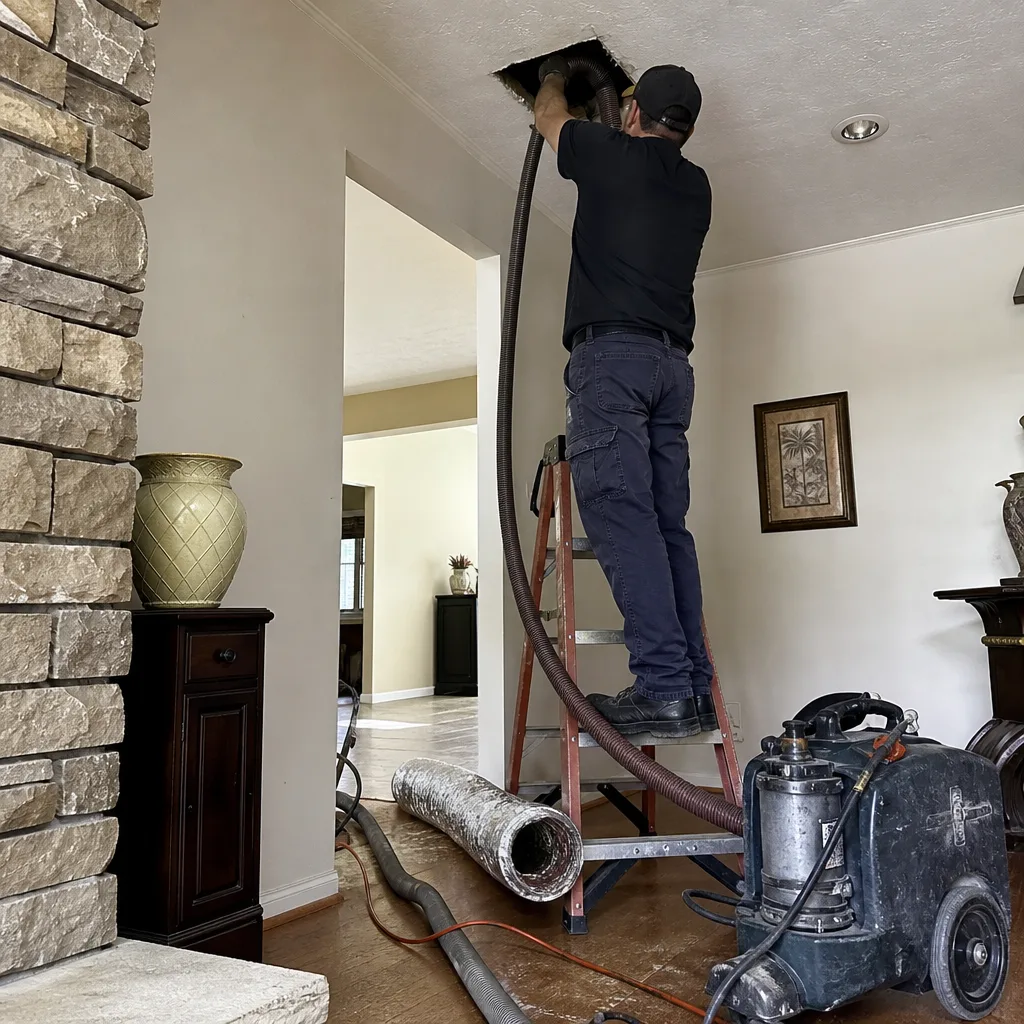
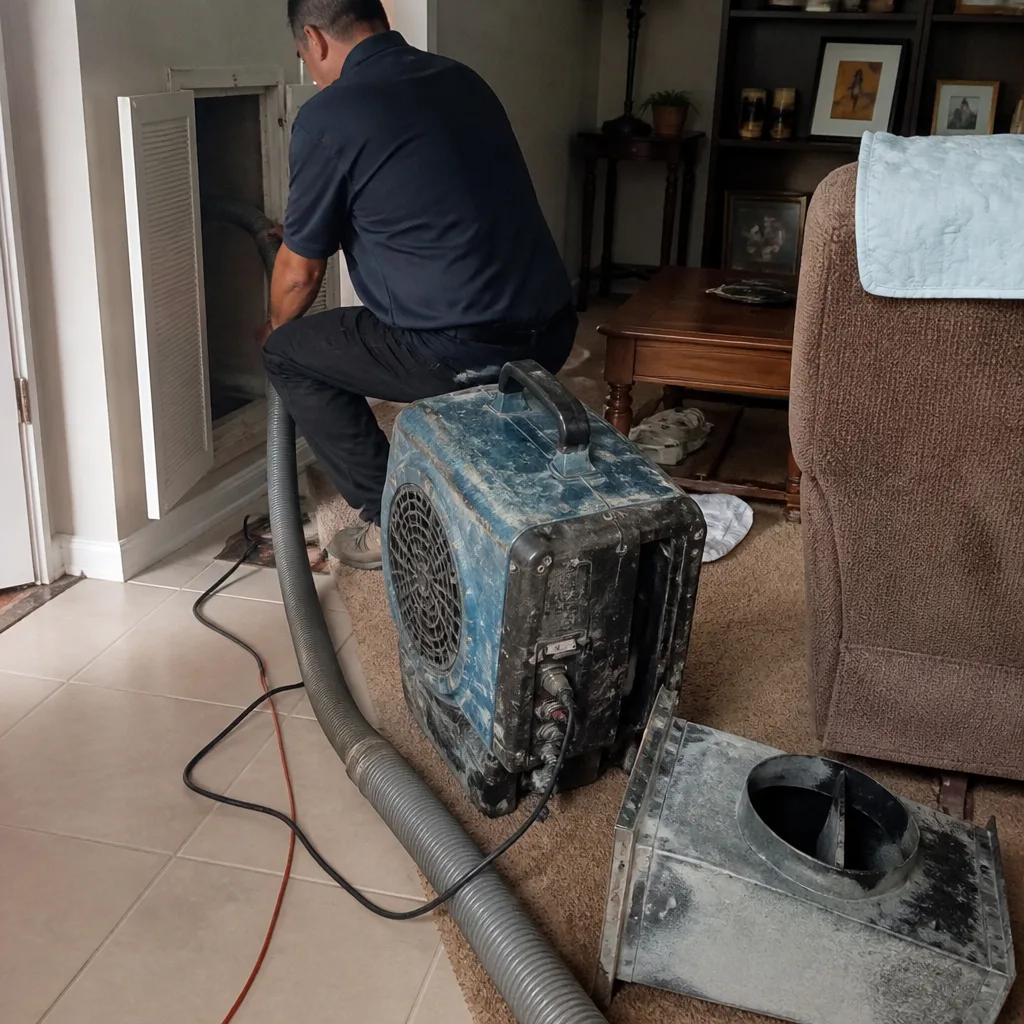
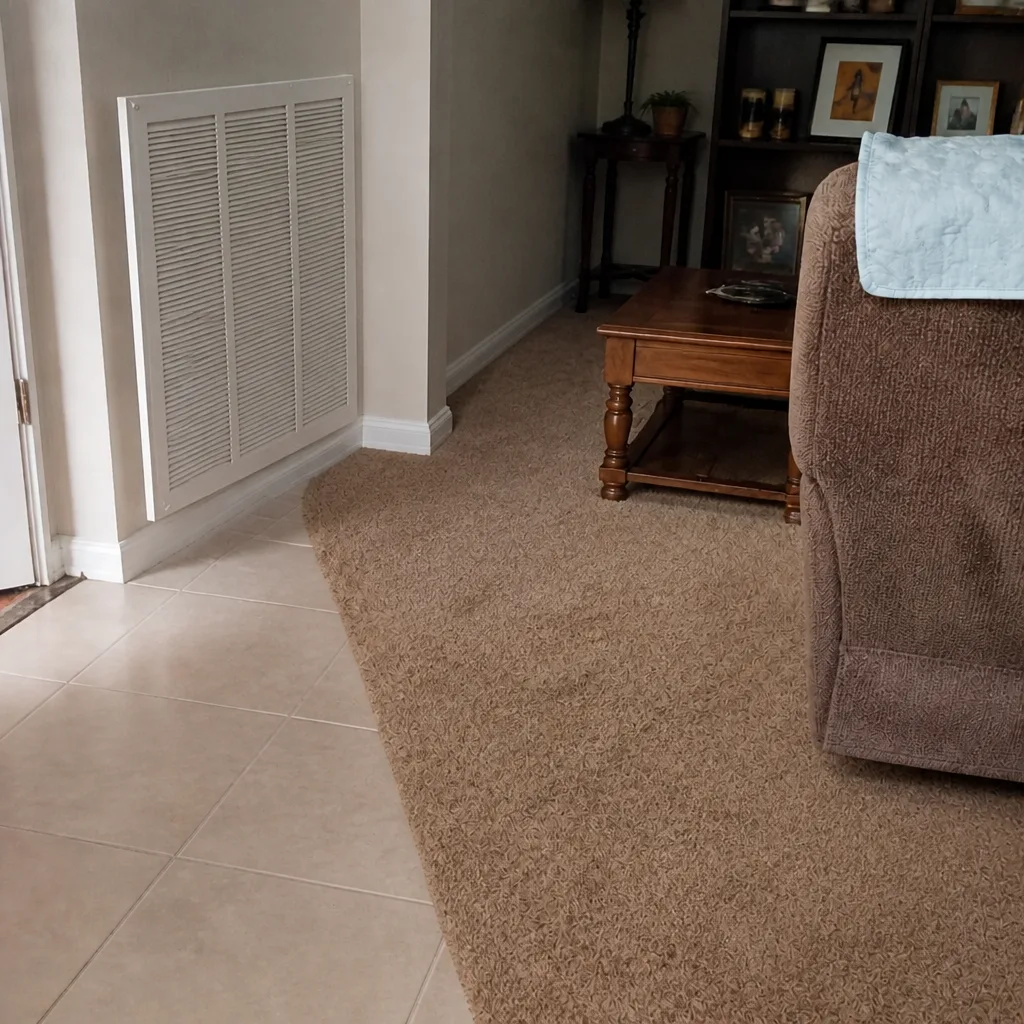
Whole-system duct and dryer vent check with before-and-after photos - you see exactly what came out of your vents
That "$99 whole-house special" is a bait ad - the real number appears once they are in your hallway, or the "clean" is a shop-vac at the register. We photograph the inside of your ducts before and after instead.
The Complete Guide to Air Duct Cleaning in Riverview
Most duct cleaning advice you’ll read was written for a house in Ohio. It assumes a furnace that runs five months a year, ducts that sit idle half the calendar, and a long cold season that keeps humidity down. None of that describes a home in Riverview. Here, the AC runs almost continuously and the attic turns into an oven every summer afternoon, which changes how fast a duct system gets dirty and what kind of contamination settles inside it. This guide explains those mechanics, shows you what a real source-removal clean involves, and teaches you how to verify the work was actually done. If you want the short version before you read, start with the quick answer below.
Quick Answer
Air duct cleaning in Riverview means mechanically removing dust, debris, and microbial growth from the supply and return ducts, the air handler cabinet, and the coil, rather than blowing it loose with air pressure. Because the AC system here runs nearly year-round and attic temperatures push 140°F in summer, contamination builds faster than in seasonal climates, so many Riverview homes benefit from inspection and cleaning on a shorter cycle. A NADCA-aligned clean uses rotary-brush contact extraction and negative-air filtration, and it ends with before-and-after documentation you can inspect.
Styles & brands we work with
- Whole-home duct cleaning
- Dryer vent cleaning
- Camera inspection
- Sanitizing & deodorizing
Table of Contents
- Why Florida’s Climate Changes the Contamination Timeline
- What 140°F Attic Heat Does Inside Flex Duct Liners
- Source Removal vs. Blow-and-Go: The Mechanical Difference
- What a Full-System Inspection Should Actually Include
- How a Professional Clean Works, Step by Step
- How to Read Post-Cleaning Verification
- Dryer Vent Cleaning and Fire Prevention
- How Often Do Riverview Ducts Really Need Cleaning?
Why Florida’s Climate Changes the Contamination Timeline
In a seasonal climate, the duct system gets a break. The furnace runs in winter, the AC runs in summer, and in between the ducts sit with relatively still air. In Riverview, there’s no real break. The system pulls air through the same ducts most hours of the day, most days of the year, and that continuous runtime compresses the whole contamination cycle. Where a northern home might take three to five years to build up a meaningful layer of dust and biological growth, a Riverview home can reach the same condition in roughly eighteen months.
That compression isn’t just about volume of air moved. It’s about the conditions that air carries with it.
- Humidity. Florida’s ambient moisture gives dust particles a way to clump and stick to duct walls instead of drifting through. Sticky buildup is harder to move with a blower and easier to move with a brush.
- Year-round runtime. A system that never shuts down never gives the interior surfaces a chance to dry out between cycles.
- Filtration load. The AC filter catches what it can, but every filter has a bypass point, and over a long cooling season a lot slips past.
- Condensate and coil moisture. The evaporator coil stays wet through the cooling season, and that damp surface sits right where return air passes before it enters the supply side.
Put those factors together and you get a system that’s working hard in conditions that favor microbial growth. This is why a Riverview homeowner shouldn’t assume the five-year cleaning rhythm they read about online applies to them. In our experience around Riverview, the homes that hold up best are the ones that get inspected on a schedule set by their actual runtime and attic conditions, not by a generic rule of thumb.
What 140°F Attic Heat Does Inside Flex Duct Liners
Most Riverview homes run their ductwork through the attic, and most of that ductwork is flex duct with an inner liner and a layer of insulation wrapped around it. On a summer afternoon, the attic air around that duct can climb past 140°F. The interior surfaces of the liner are where the trouble concentrates.
Flex duct liners have a slightly textured inner wall, and that texture gives particles something to grab onto. Combine the texture with warm, humid air sitting inside the duct during the hours the system cycles low, and you get a surface where mold and bacteria can establish. The insulation around the liner slows heat transfer but doesn’t eliminate it, so the duct interior warms up even when conditioned air isn’t moving through it.
There’s a second issue that comes with attic heat: the flex duct itself. The liner can sag, kink, or pull loose at a fitting. When that happens, you get two problems at once. The duct loses airflow to a room, and it starts pulling attic air and insulation fibers into the system. That’s a repair issue, not just a cleaning issue, and it’s one reason we handle duct repair alongside cleaning. If we find a crushed or disconnected run during a clean, we can fix it rather than leaving you to call a separate contractor.
What this means in practice: a Riverview home’s duct system is under more thermal stress than the same system would be in a cooler climate. Inspecting the attic runs, not just the registers you can see from the living room, is part of what a proper assessment should cover.
Source Removal vs. Blow-and-Go: The Mechanical Difference
This is where the duct cleaning industry splits, and it’s the difference most homeowners never get told about when they compare quotes. There are two basic approaches, and they produce very different results.
Blow-and-Go
A blower or wand pushes air and maybe a little agitation into the duct from the register while a shop vacuum pulls at another opening. Some dust lifts and gets captured. But the material stuck to the duct walls, the caked-on film and the biological growth, generally doesn’t come off with air pressure alone. What does happen: the loosened dust gets redistributed through the system and settles again a few weeks later.
Source Removal
Source-removal cleaning physically contacts the duct walls, breaks the buildup loose mechanically, and captures it under negative pressure so it can’t escape into the room. Our approach uses purpose-built equipment for exactly this:
- Rotobrush rotary-brush extraction. A rotating brush travels through the duct and scrubs the walls while a vacuum pulls the loosened material out. The brush reaches the caked layer that air pressure can’t move.
- Nikro negative-air and HEPA-vacuum units. These hold the duct system under negative pressure during cleaning, so the dust you’re disturbing goes into a HEPA filter instead of into your living space.
- Abatement Technologies air scrubbers. The same class of HEPA filtration equipment used in professional remediation work, brought into a residential setting to keep the air clean during and after the job.
This is remediation-grade equipment in a residential setting, and it’s built for the job rather than borrowed from another trade. Where a budget crew shows up with a blower and a shop vac, source removal shows up with tools that actually scrub the walls and trap what comes off. That’s the difference you’re paying for, and it’s the difference that keeps the duct clean for longer than a season.
What a Full-System Inspection Should Actually Include
A duct clean that only looks at the registers is only looking at the front door. The real condition of your system lives in the parts you can’t see from the living room. Before any cleaning happens, a proper inspection should cover four areas.
- Supply ducts. The runs that feed conditioned air into each room. These should be checked for buildup, liner condition, and any crushed or disconnected sections in the attic.
- Return ducts. These carry the dirtiest air in the system back to the air handler. They tend to collect more debris than supply runs and should be checked end to end.
- The air handler cabinet. The box that houses the blower and sits downstream of the filter. Dust and debris collect in the cabinet and around the blower wheel, and if it isn’t cleaned, you’ve only cleaned part of the system.
- The evaporator coil. The damp, cold surface where return air passes before it’s cooled and sent back out. A coil with a layer of dust and biological film loses efficiency and gives contamination a place to grow.
An inspection that skips the coil or the air handler cabinet isn’t a full-system inspection. It’s a partial one, and it leaves the two spots most likely to harbor growth untouched. When we assess a home here, we look at all four with a camera where needed so you can see what we see. That’s how you know the scope of the job before any equipment comes off the truck.
If you’re not sure whether your system has ever been properly inspected, a starting conversation is the air duct cleaning assessment, which includes the inspection before any work is quoted.
How a Professional Clean Works, Step by Step
The sequence matters. Clean the wrong part first and you push debris into places you’ve already cleaned. Here’s how a source-removal clean actually unfolds.
- Set up containment. Negative-air machines and HEPA filtration go in place so the work area stays under control before any dust is disturbed.
- Inspect and document. Camera inspection of the supply, return, air handler, and coil, with before photos taken so the starting condition is on record.
- Clean the coil and air handler. These get cleaned before the ducts so nothing downstream re-contaminates the runs.
- Mechanically agitate the ducts. Rotary brush extraction works through each run, scrubbing the walls while the vacuum pulls the loosened material out under negative pressure.
- Clean the registers and grilles. Removed, cleaned, and reinstalled so loose debris doesn’t fall back into the duct when the system restarts.
- Seal and verify. Any disconnected or damaged runs found during cleaning get addressed, and after photos are taken to document the finished condition.
The order is deliberate. If you clean the ducts first and the coil last, the coil’s debris ends up in the ductwork you just finished. If you clean the duct first and never touch the coil, you’ve left the wettest surface in the system untouched. Here in Riverview, where the coil stays wet through most of the year, that last point matters more than it would in a drier climate. Cleaner air starts at the source, and the source is the whole system, not just the visible vents.
How to Read Post-Cleaning Verification
You weren’t standing next to the technician through the whole job, so how do you know it was done? The answer is documentation, and you should know what to ask for before the job starts rather than after the invoice arrives.
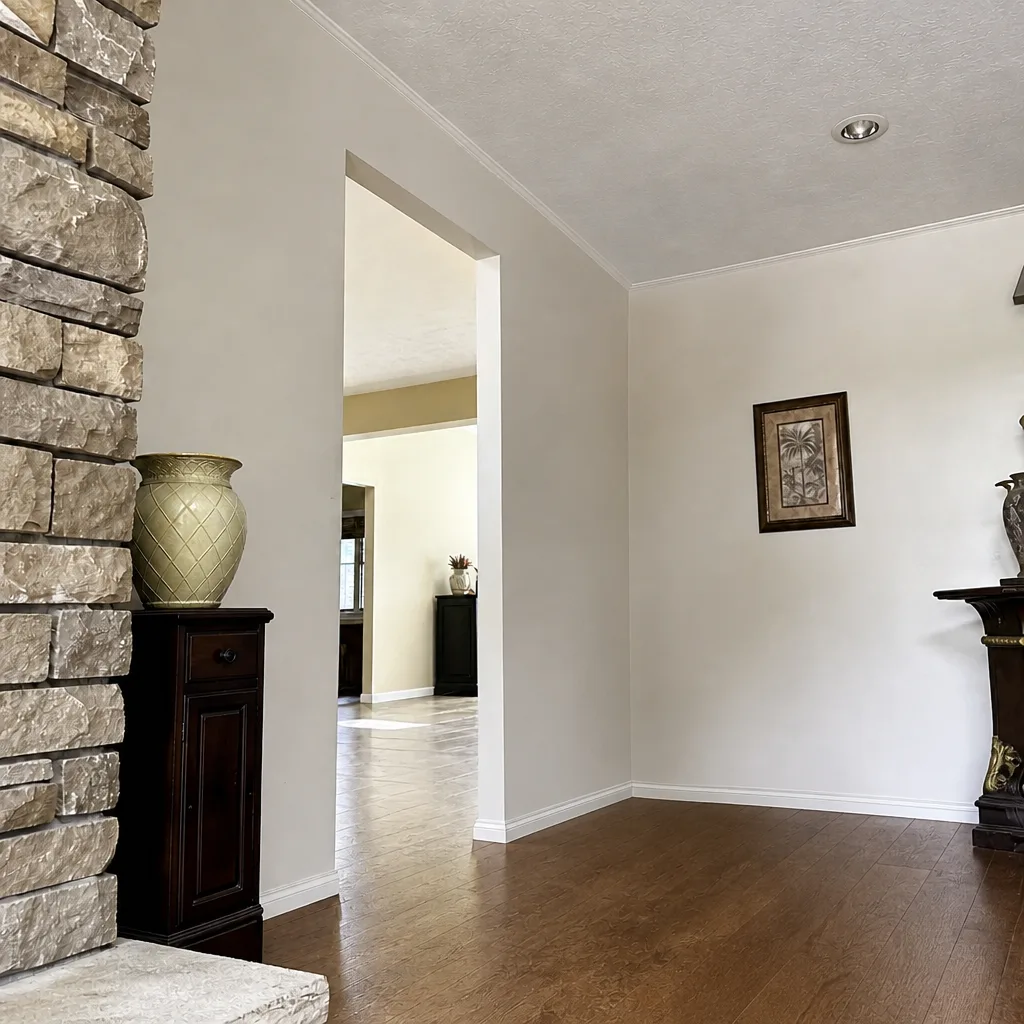
- Before-and-after photos of your own ducts. Not stock images, not a video of someone else’s system. Your supply runs, your return, your coil, your air handler cabinet, photographed before and after.
- Camera footage through the runs. Where a camera was used during inspection, the footage should show the same sections before and after cleaning.
- A written scope of what was cleaned. The number of supply runs, the number of returns, the air handler, the coil, and the registers. If any section wasn’t cleaned, it should say so.
- Note of anything found but not fixed. A disconnected run, a crushed section of flex duct, a damaged liner. Honest documentation tells you what still needs attention.
If a company can’t show you before-and-after photos of your own system, ask why before you book. The documentation is the whole verification process, and any crew doing quality work should be able to produce it.
We also supply and install Honeywell and Aprilaire filtration products, so if the clean reveals that your filter setup isn’t keeping up with the house’s actual load, there’s a next step. A better filter on the return or a whole-home air quality product can extend the time between cleans, particularly in a Riverview home with year-round runtime.
Dryer Vent Cleaning and Fire Prevention
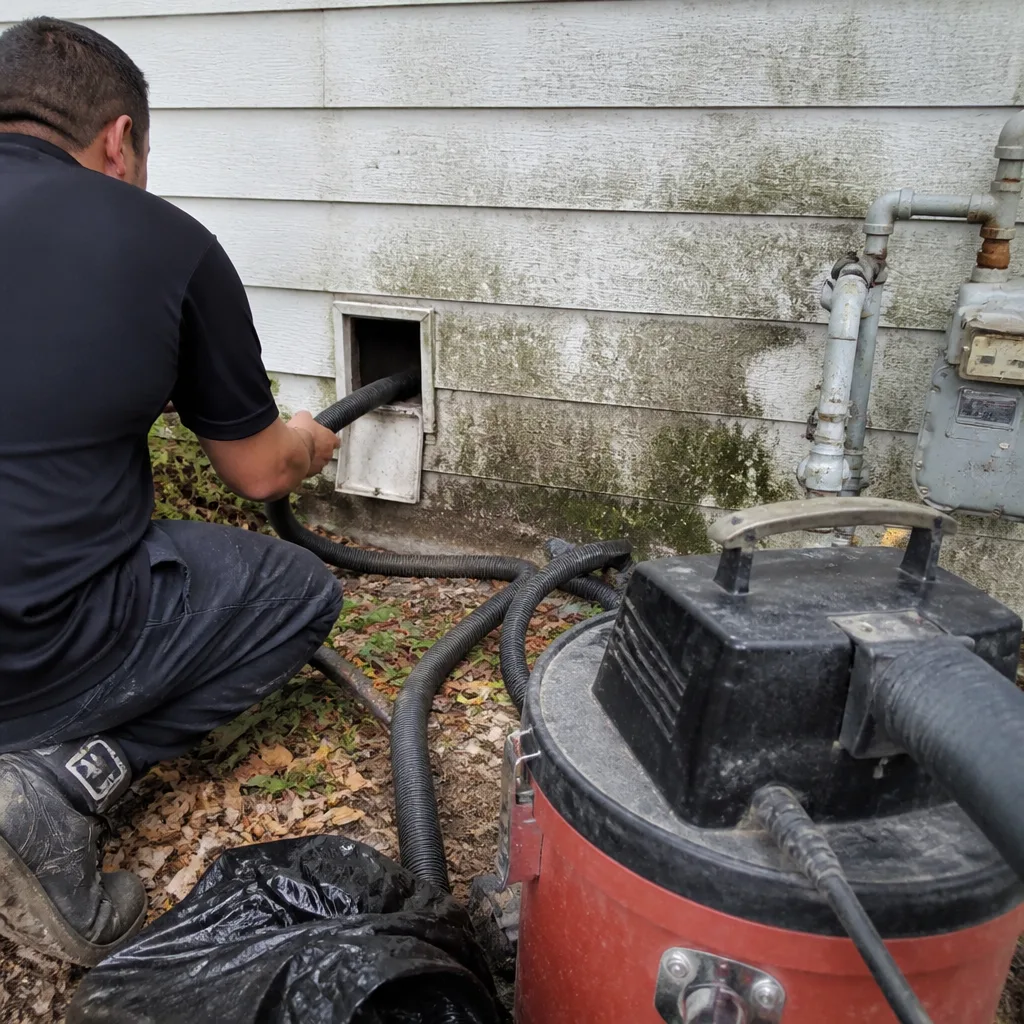
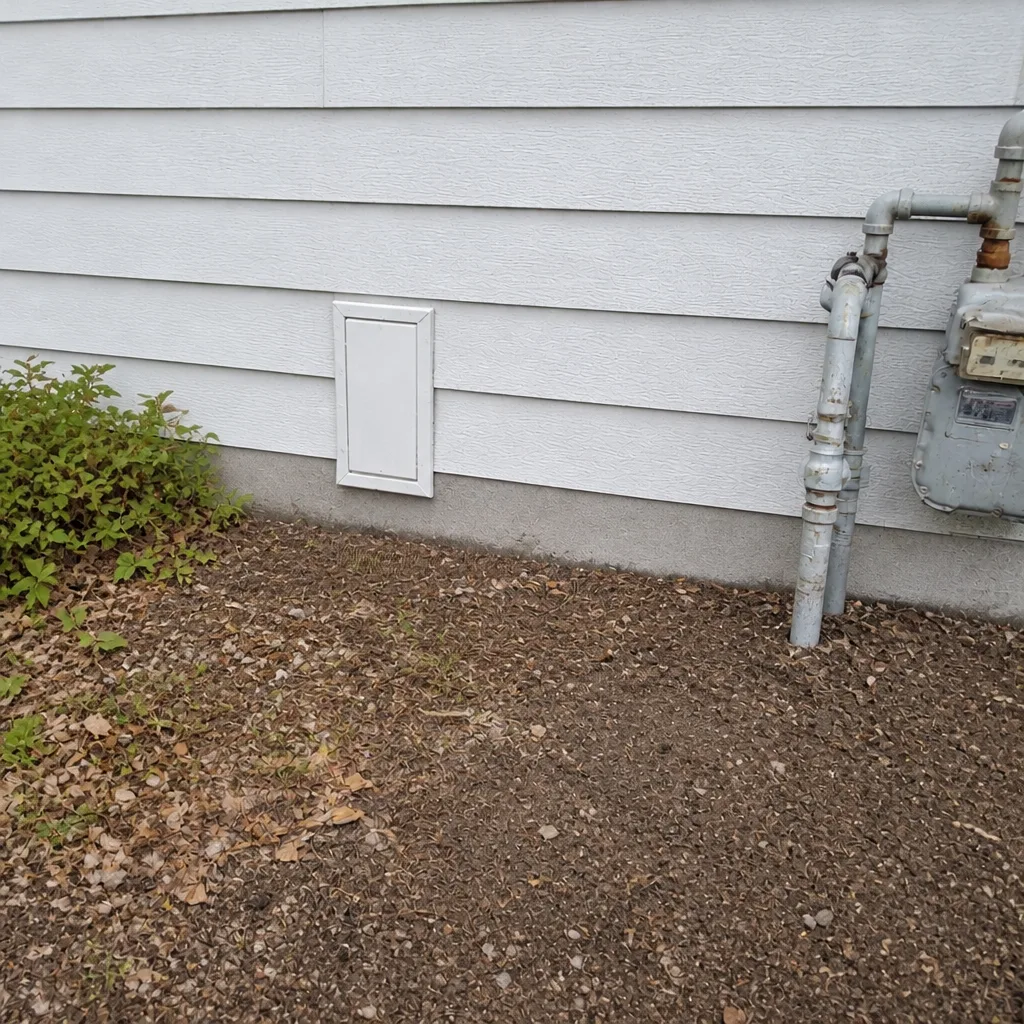
Duct cleaning and dryer vent cleaning get lumped together because they both involve ductwork, but the dryer vent is a different system with a different risk profile. A clogged dryer vent traps lint and heat, and the combination is a real fire hazard. That’s why we treat dryer vent cleaning as its own standalone service rather than an add-on to sell alongside a duct clean.
Your dryer vent runs from the back of the dryer through the wall and out, and it collects lint with every load. Long runs, multiple bends, and flexible foil or plastic venting all make it worse by giving lint more surfaces to stick to. When the vent clogs, the dryer works harder and runs hotter because it can’t move air out. That’s the mechanical setup behind lint fires, and it’s the reason a vent clean is a safety service, not a comfort service.
Signs a dryer vent needs attention include:
- Clothes taking longer than usual to dry
- The dryer feeling hot to the touch on top or at the door
- No strong airflow at the exterior vent when the dryer runs
- Lint visible around the dryer connection or behind the unit
If the airflow at the outside vent feels weak or the exterior flap doesn’t open fully when the dryer is running, that’s worth booking an inspection for. Dryer vent cleaning clears the run end to end so the dryer can breathe. It’s one of the few cleaning services where the outcome is concrete safety, not just cleaner air.
How Often Do Riverview Ducts Really Need Cleaning?
The honest answer is that it depends on your specific system, which is why we don’t hand out a blanket interval. But there are real signals that tell you it’s time, and in Riverview, the signals show up sooner than the generic advice suggests.
Watch for these signs:
- Visible dust at the registers. If dust collects on the supply registers or you see a dark cloud blow out when the system starts, that’s material inside the duct, not just ambient dust settling.
- Musty or damp odors when the AC runs. A smell that shows up whenever the system kicks on points to growth somewhere in the system, often the coil or the liner.
- Increased allergy-like symptoms indoors. If symptoms ease when you leave the house and return when you come back, the system is worth inspecting.
- Recent renovation or construction. Drywall dust, sawdust, and construction debris find their way into the ductwork and should be removed once the work is done.
- A new home or a system you haven’t inspected. You can’t know what’s in the ducts until someone looks.
For a Riverview home running a continuous cooling season, a common rhythm is an inspection every couple of years and cleaning when the inspection shows it’s needed. Homes with pets, recent renovations, or older flex ductwork tend toward more frequent attention. The right interval is the one your system tells you, and an inspection is how you find out what that is.
Common Mistakes to Avoid
- Hiring on price alone. A quote that’s dramatically lower than others usually means a blower and a shop vac, not brush extraction and negative-air filtration. The low price pays for a job that redistributes dust instead of removing it.
- Skipping the coil and air handler. Cleaning the ducts while leaving the coil and cabinet untouched leaves the two spots most prone to growth in a humid Riverview home. Insist on a full-system scope.
- Assuming the same schedule as a northern home. Advice written for seasonal-use climates don’t account for year-round AC runtime and attic temperatures that build up growth faster. Set your schedule by your actual system, not by a generic rule.
- Not asking for before-and-after photos. If a crew can’t document the before and after of your own ducts, you have no way to verify the work was done. Ask for it in the quote.
- Ignoring attic duct damage. A crushed or disconnected flex run found during cleaning is a repair issue. If a company cleans and leaves the duct work compromised, the clean doesn’t hold.
- Treating the dryer vent as an afterthought. A clogged dryer vent is a fire risk, not a comfort issue. It deserves its own inspection separate from duct cleaning.
- Believing a coupon price is the final price. A teaser price that grows substantially once the technician is on site is the industry’s most common complaint. Confirm the flat price and the scope before anything starts.
See the difference
 Before
 After
 Before
 After
 Before
 After
When to Call a Professional
Some situations call for a professional assessment rather than a wait-and-see. If you see dust drifting from the registers when the system starts, smell a musty odor that shows up only when the AC runs, or notice increased allergy symptoms indoors that ease when you leave the house, the system is worth inspecting. If you’ve recently finished a renovation, are moving into a home whose duct history you don’t know, or find a crushed or disconnected flex run in the attic, it’s time to get eyes on the whole system. And if it’s been more than two years since the dry duct vent was checked, that’s a safety item that shouldn’t wait for a reminder.
Our technicians have up to experience on duct systems, and we’re licensed and insured. Duct Cleaning Riverview offers free estimates in Riverview; call (866) 293-1514. We answer 24/7. Fast dispatch, 7am-7pm.
Frequently Asked Questions
Air duct cleaning in Riverview typically runs a few hundred dollars for a standard home system and higher for larger homes or systems that include duct repair or coil cleaning. We don’t quote per vent or offer teaser prices, because a flat price per system agreed before work starts is the only number that holds. The written estimate sets the final price, and it covers the supply, the return, the air handler cabinet, the coil, and the registers. Call (866) 293-1514 for an exact quote; estimates are free.
A much cheaper quote usually means less equipment and less scope. The low number typically comes from a blower-and-vacuum setup that distributes dust rather than removing it, and from skipping the coil and air handler cabinet. Professional source-removal cleaning uses rotary-brush extraction and negative-air HEPA filtration, and it takes longer because it actually contacts the duct walls. Riverview’s year-round runtime means the difference in results shows up quickly. Call (866) 293-1514 to see what a full-source clean includes in writing.
The verification is documentation: before-and-after photos of your own supply runs, return, air handler cabinet, and coil, plus a written scope that says exactly which runs were cleaned. Any section left untouched should be noted in writing. Ask for this before booking, and if it isn’t offered, ask why. Our jobs end with before-and-after photos of your own system, not stock images. Call (866) 293-1514 to schedule an inspection.
For some homes, cleaning genuinely isn’t needed yet, and an honest inspection will tell you that. The reason it matters more here is the climate. Continuous AC runtime and 140°F attic temperatures compress the contamination timeline compared to seasonal climates, so a Riverview system can reach the same condition in roughly eighteen months that a northern home takes years to build. If a company won’t inspect before quoting, that’s a sales call, not an assessment. Call (866) 293-1514 for a free inspection-based estimate.
There’s no single interval that fits every home, but an inspection every couple of years is a reasonable starting point for a Riverview home with continuous cooling season. Homes with pets, recent renovations, or older flex ductwork tend to need more frequent attention. The right answer comes from what inspection actually finds. Call (866) 293-1514 and we’ll schedule an inspection and give you a written recommendation based on your system.
Yes. Dryer vent cleaning is a separate service we handle as a safety item, not an add-on. A clogged dryer vent traps lint and heat, and that’s a fire risk. If your dryer takes longer to dry loads, feels hot to the touch, or the exterior vent flap doesn’t open fully, the vent is worth checking. Call (866) 293-1514 to book a dryer vent inspection.
The Bottom Line
Duct cleaning advice written for other markets misses what makes a Riverview home different. Continuous AC runtime, high humidity, and 140°F attic heat compress the contamination cycle, so the timeline you read about online doesn’t apply here. What does apply is source-removal cleaning that mechanically scrubs the duct walls with rotary-brush extraction, holds the system under negative pressure with HEPA filtration, and documents the before and after with photos of your own system. Skip the coil or the air handler cabinet and you’ve cleaned part of the system, not all of it. Ask for a flat price per system, the written scope, and the verification photos before work starts. That’s how you know the job was done. Visit our home page at Duct Cleaning Riverview for a starting point, or call us directly for a free estimate.
Call (866) 293-1514 for a free estimate. We answer 24/7. Fast dispatch, 7am-7pm, Sunday through Friday. Licensed and insured. We repair what we find, mechanically extracted rather than blown out, and we finish with before-and-after photos of your own ducts.
Written by the team at Duct Cleaning Riverview.