
Last updated November 16, 2026
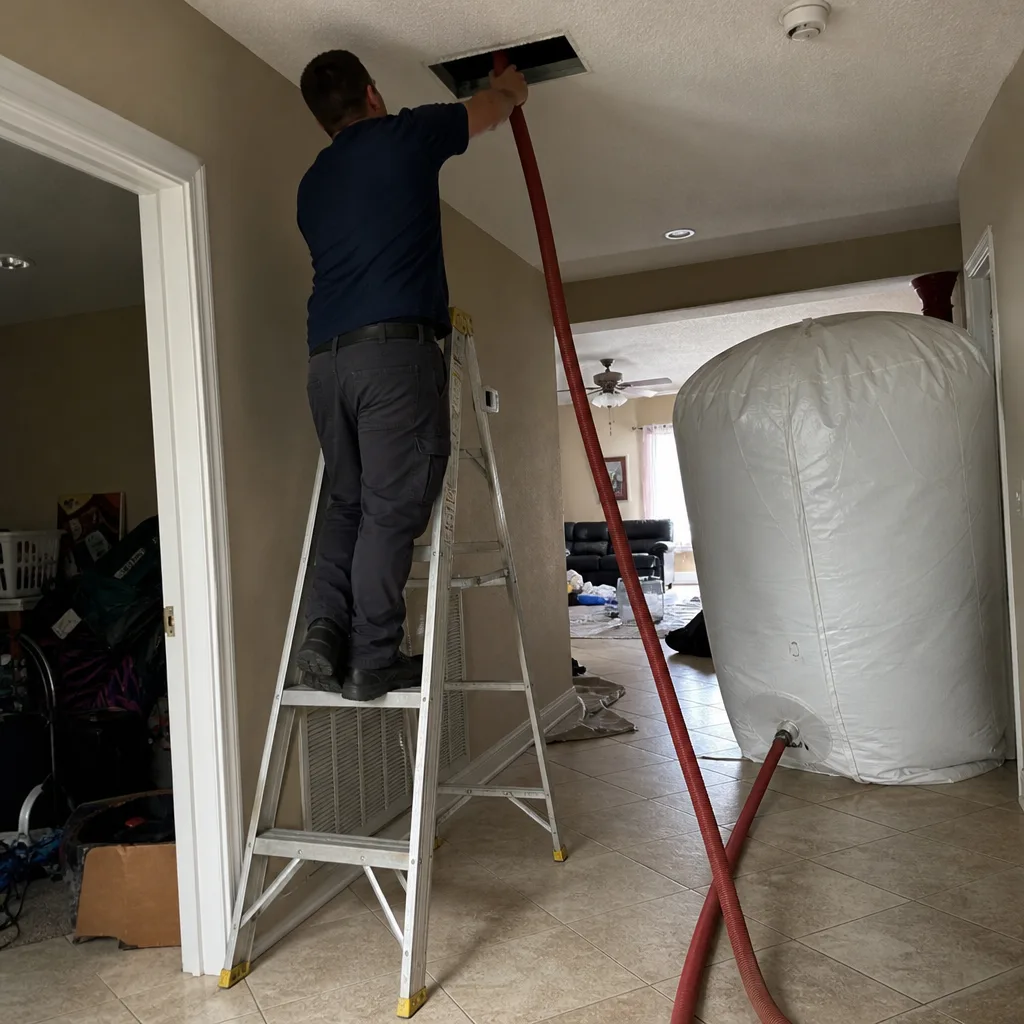
 Whole-home duct cleaning
 Dryer vent cleaning
 Camera inspection
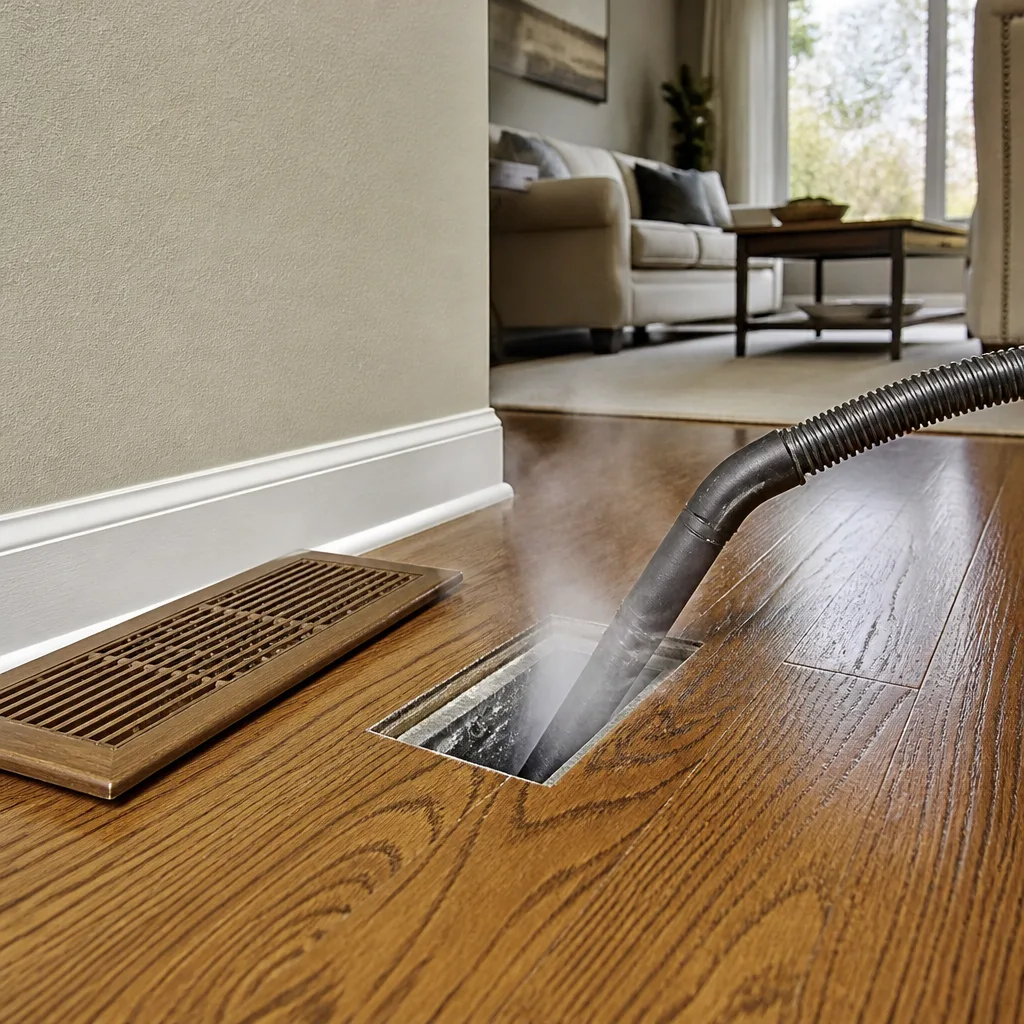 Sanitizing & deodorizing
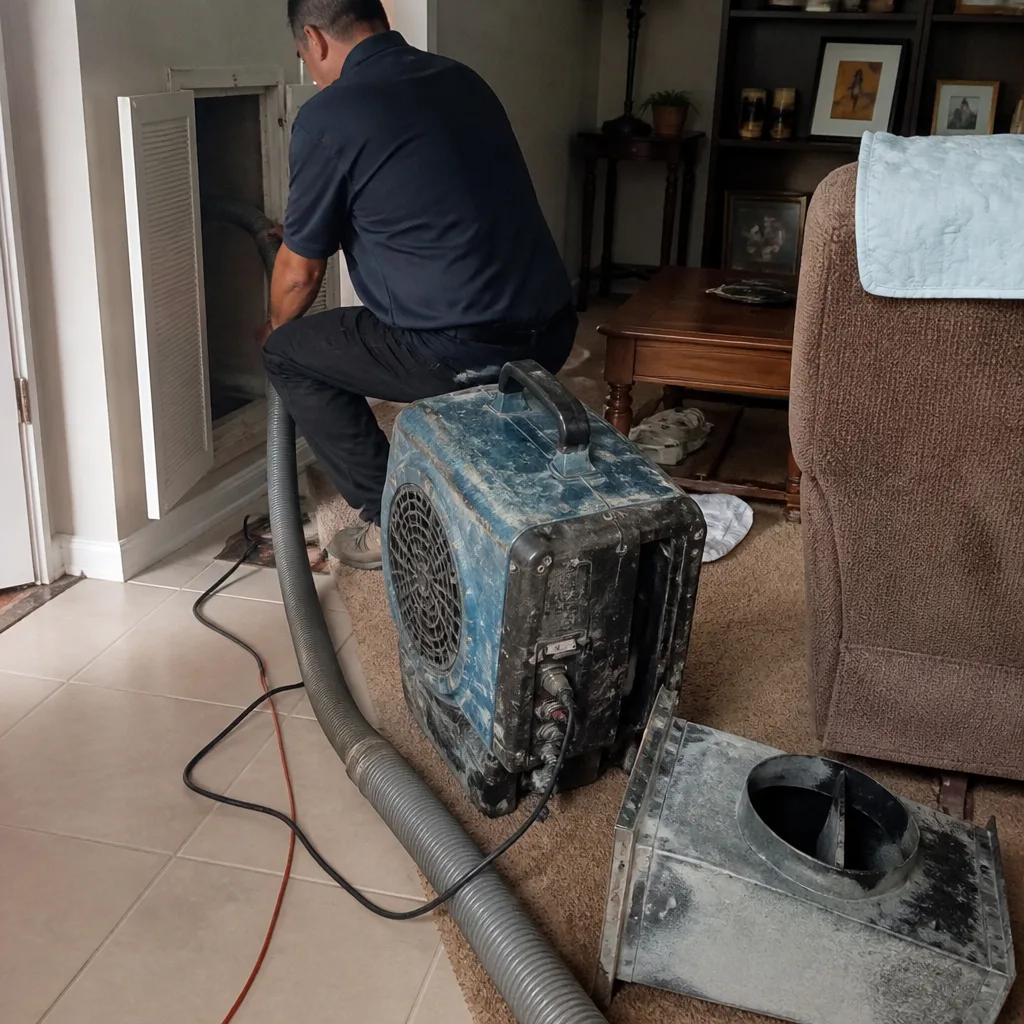
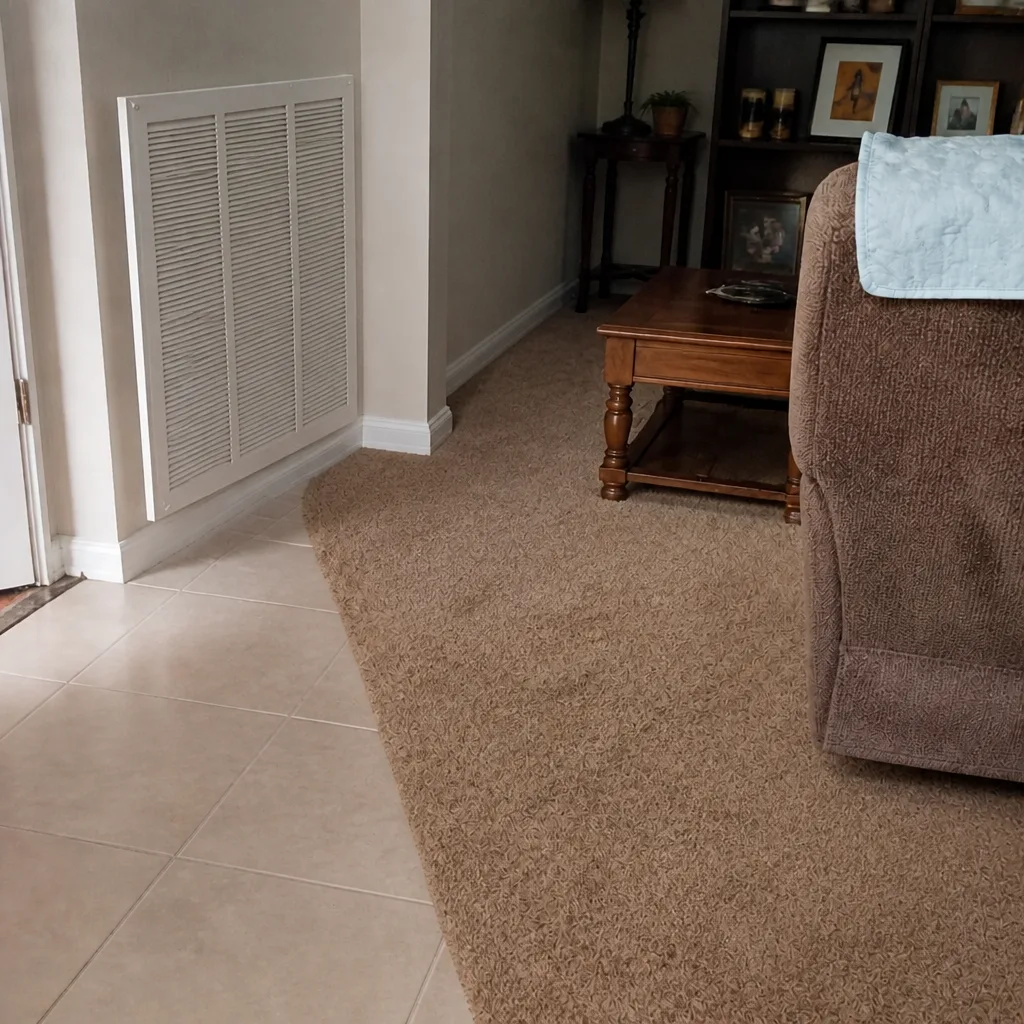
Whole-system duct and dryer vent check with before-and-after photos - you see exactly what came out of your vents
That "$99 whole-house special" is a bait ad - the real number appears once they are in your hallway, or the "clean" is a shop-vac at the register. We photograph the inside of your ducts before and after instead.
Air Duct Repair Troubleshooting in Riverview: Common Problems and How to Fix Them
Most homeowners in Riverview look in the wrong place when their air conditioning stops feeling right. They check the thermostat, the air filter, maybe the outdoor unit. They assume the system is getting old or undersized. The register in the back bedroom still pushes air, the furnace or air handler still runs. But the real problem is often hidden above the ceiling, out of sight and out of reach. If one room in your Riverview home is always a few degrees warmer than the rest, you probably don’t have an undersized system. A disconnected, crushed, or leaking duct section is likely dumping that conditioned air into your attic instead of delivering it to the room. This guide teaches you to read the symptoms your house is already showing and trace them back to the actual failure point.
Quick Answer
Air duct repair troubleshooting in Riverview starts with noticing where the cooling and airflow aren’t reaching, then checking the accessible duct runs for leaks, disconnects, and crushed sections. Most problems trace back to unsealed flex duct joints in the attic, collapsed duct runs, or liner damage made worse by summer attic heat, not to a failing air conditioner. A homeowner can find the likely branch with a tissue and a flashlight, but damaged duct lining usually needs professional containment before anyone touches it.
Styles & brands we work with
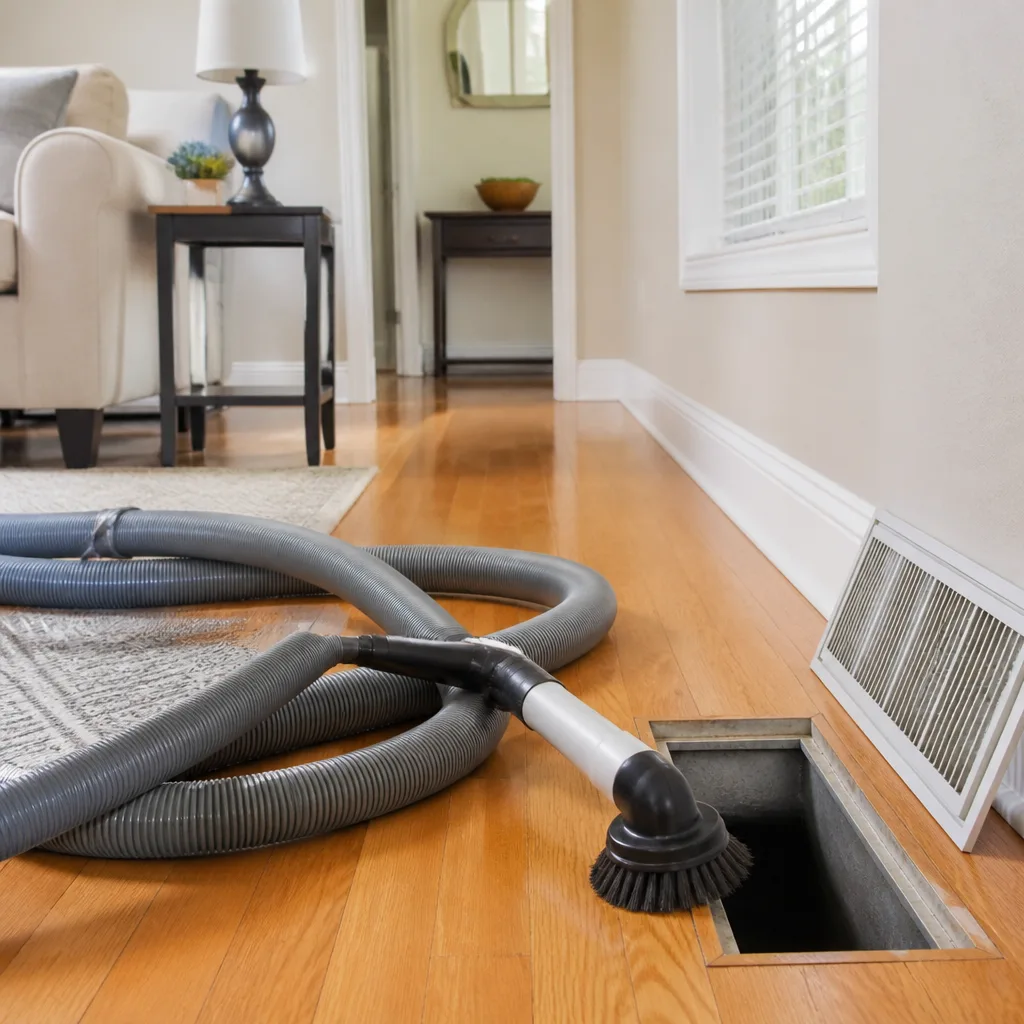
- Whole-home duct cleaning
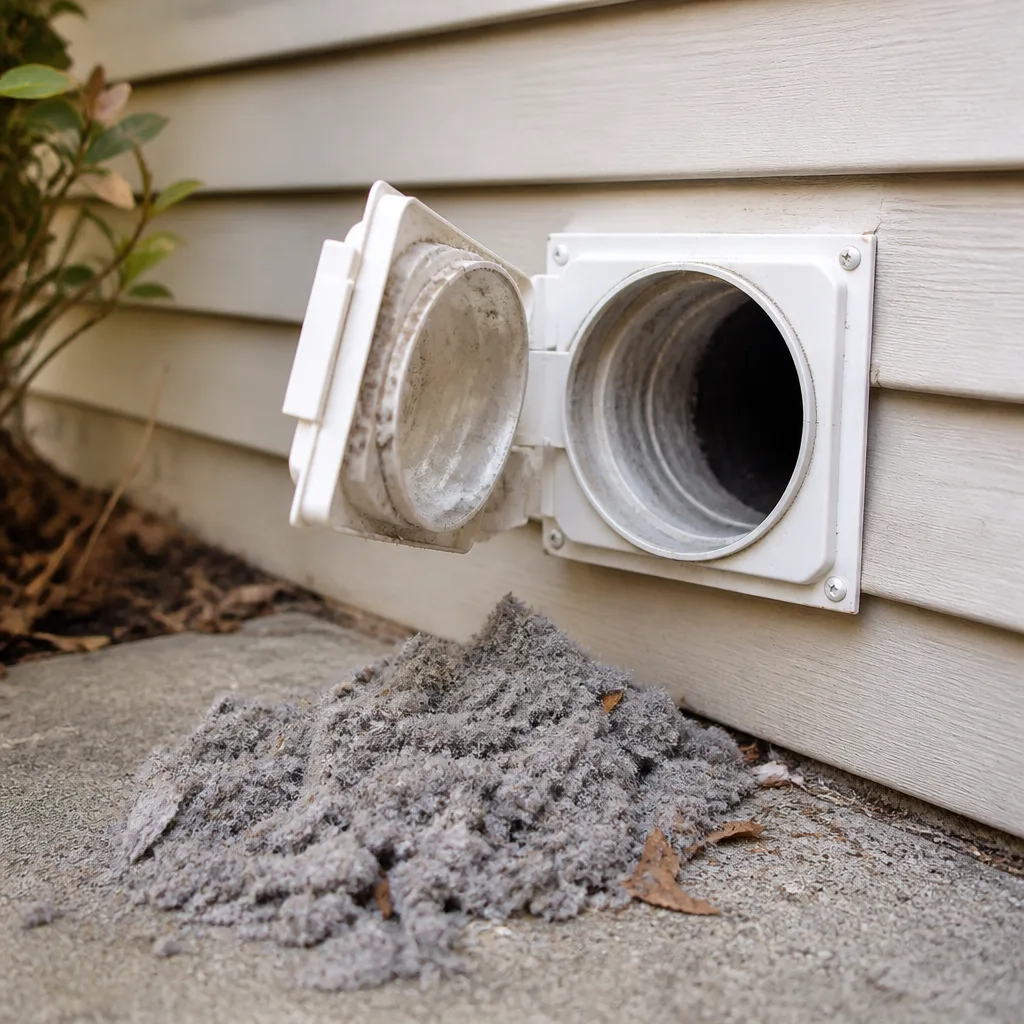
- Dryer vent cleaning
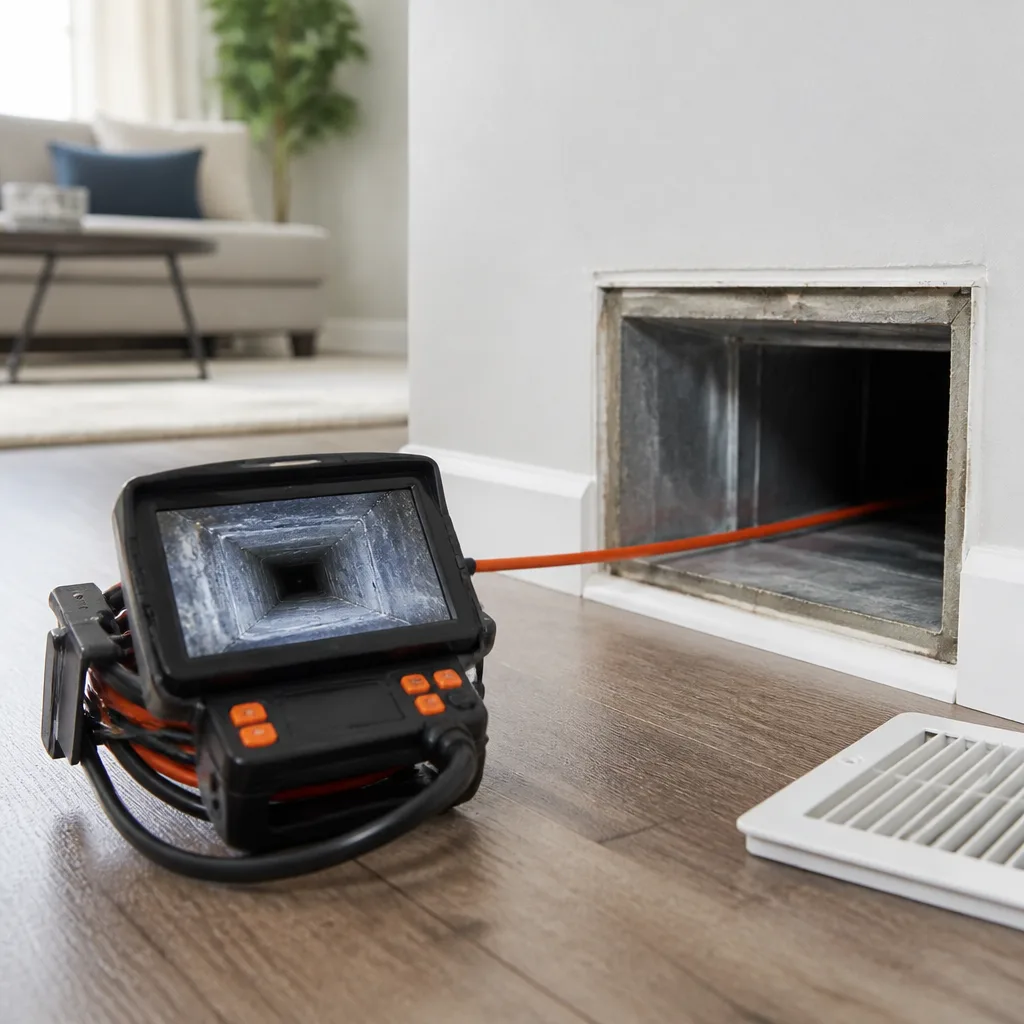
- Camera inspection
- Sanitizing & deodorizing
Table of Contents
- Reading Your Home’s Symptoms Before You Call Anyone
- How to Map Airflow Room by Room With a Tissue
- Duct Leak vs. Duct Blockage: Two Very Different Fixes
- Flex Duct Failures vs. Hard-Pipe Failures in Riverview Attics
- Why Attic Heat Above 140°F Damages Flex Duct
- What You Can Patch Yourself vs. What Needs Containment
- When to Bring in a Professional
Reading Your Home’s Symptoms Before You Call Anyone
Your house tells you where the duct problem is long before you climb into the attic. The trick is knowing which symptom points to which failure. Homeowners in Riverview tend to blame the air conditioner for every temperature complaint, but the air handler, the outdoor condenser, and the ductwork are three separate things, and each fails in its own way. If the system runs, cycles normally, and still leaves one part of the house uncomfortable, the problem is almost always in the distribution side.
Here’s a working set of symptoms and what they typically point to:
- One room always warmer than the rest, even with the door open. This usually points to a compromised branch duct feeding that room – disconnected at a joint, crushed from foot traffic in the attic, or leaking so heavily that little air reaches the register.
- Whistling or whooshing at a single register. Air forced through a squeeze point. Could be a crushed section, a partially closed damper, or debris caught inside the run.
- Dust settling on horizontal surfaces faster than usual. A leaking return or supply duct pulling unfiltered attic air into the system can pump dust and fiberglass particles into the living space.
- A musty or dusty smell when the system kicks on. Often a sign of dust and moisture collecting inside duct walls, or lining material breaking down.
- Higher than expected energy bills for the same usage. A system leaking conditioned air into a hot attic has to run longer to hit the thermostat setting.
The point of reading symptoms is not to make you crawl through the attic. It’s to help you narrow the search before anyone shows up, so you can describe the problem in a way that saves everyone time. When we look at a Riverview home for air duct cleaning or repair, the first thing we ask is where the house doesn’t feel right. That one answer often points us straight to the right branch.
How to Map Airflow Room by Room With a Tissue
You don’t need a flow hood or a pressure gauge to find which duct branch is compromised. A single-ply tissue and your hand will do a surprisingly accurate job. This is a low-tech method that works because duct branches are sized to deliver a predictable volume of air, and when one branch fails, the change in airflow at its registers is measurable by feel.
Here’s the step-by-step:
- Turn the system to fan-only mode. You want air moving without the cooling cycle kicking on and off, which makes the test more even.
- Walk the house and hold a tissue flat against each supply register. Note how strongly the tissue is pulled or pushed. You’re looking for the outlier – one register noticeably weaker or stronger than the rest.
- Write down the order from strongest to weakest. Do this on a notepad or your phone. You’ll want the record for comparison.
- Repeat at the return grilles. A return pulling much harder than usual can mean a supply branch is leaking and the system is short-circuiting air back to the return.
- Check the same registers again with interior doors both open and closed. A duct system that behaves very differently with doors closed can mean the branches aren’t properly balanced.
The weakest register on your list is your prime suspect. Trace that branch back toward the air handler if it’s visible from an access panel, or note its position so a technician can find it quickly. In a typical Riverview home, the weak register is in a bedroom over the garage or at the far end of a run, because those branches are the longest and most likely to have lost a joint in the attic. This kind of room-by-room mapping is a core part of how we approach duct cleaning Riverview diagnostics, because a branch that’s leaking won’t clean evenly either.
Duct Leak vs. Duct Blockage: Two Very Different Fixes
This single distinction saves homeowners real money, because a leak and a blockage show similar symptoms but require opposite fixes. If you misdiagnose a leak as a blockage and add airflow, you’ll make the leak worse. If you misdiagnose a blockage as a leak and seal the duct, you trap the problem in place.
Here’s how to tell them apart:
- A duct leak means conditioned air is escaping the duct before it reaches the room. Symptoms include weak airflow at the supply register, dust intrusion, and often a cool spot in the attic near the failed joint. The duct is intact but disconnected, split, or unsealed.
- A duct blockage means air can’t get through because something is in the way. Symptoms include weak airflow at one register, whistling, and sometimes a partial collapse where the duct has been crushed. The duct is connected but pinched, filled with debris, or collapsed.
The tissue test gives you a clue. A leak at the branch joint usually reduces airflow at the register but doesn’t cause that squeeze-point whistle. A blockage usually does. If you can safely look at the accessible run, a disconnected joint is visible: the two ends of the duct are physically apart, and there’s often a telltale gap where hot attic air is being pulled in. A crushed run shows as a pinched oval, often where someone stepped on it or where it’s been pulled tight around a corner.
The fix for a leak is sealing or reconnecting. The fix for a blockage is opening or replacing the run. And because a leak of a supply duct can suck fiberglass insulation particles right into the airstream, treating it as a blockage and simply adding air is the worst outcome. We repair what we find during service so the fix happens once, in one visit, rather than being kicked down the road. If you’re looking at repair and cleaning together, it helps to start with Riverview service that covers both.
Flex Duct Failures vs. Hard-Pipe Failures in Riverview Attics
Most Riverview homes are built with flexible duct, and the rest use rigid metal or duct board. Each has its own failure signature, and knowing which one you have tells you where to look first.
Flex duct failures
- Failed mastic or tape joints. The most common failure. Flex duct is joined to boots and trunks with mastic and tape, and over several seasons that tape can dry and peel. The joint opens and the branch starts dumping air into the attic.
- Disconnected runs. Flex duct snags on framing and nails during install and can pull free over time. A detached run sends its entire airflow into the attic.
- Sagging and compression. Flex duct that isn’t supported properly sags under its own weight, which crushes the interior volume and reduces flow. Foot traffic in the attic does the same thing.
- Inner liner delamination. The inner plastic liner can peel away from the insulation blanket, collapsing inward and partially blocking the run. This is often a heat-related failure in Riverview.
Hard-pipe failures
- Joint separation at screwed fittings. Rigid metal will separate at seams and screws if the whole run moves. Less common than flex joint failures but possible.
- Duct board degradation. Duct board can absorb moisture and lose its integrity, sometimes developing soft spots that leak.
- Less prone to compression than flex, which is why hard-pipe runs are more forgiving in an attic but heavier to work with.
The practical takeaway: if your house has flex duct, look at the joints first. Most Riverview attic duct problems are a joint that gave up, not a dramatic system failure.
Why Attic Heat Above 140°F Damages Flex Duct
Attic temperatures in Riverview routinely climb above 140°F in the summer, and that heat is doing quiet damage to the flex duct running through it. The inner liner on flex duct is a thin plastic sleeve held to the insulation blanket by a bonding layer, and heat accelerates the failure of that bond. When the bond gives, the liner can peel and collapse inward. The duct looks fine from outside. Inside, the airstream is squeezed and the system loses capacity at that branch.
UV light is the other quiet failure mode. Flex duct that’s exposed to sunlight through a vent or gap in the attic deck can degrade on the outer jacket, then the insulation, then the liner, in that order. The damage builds up season after season until the affected section stops insulating and starts leaking.
Compression from foot traffic is the third. Attics get visited for cable installs, inspections, and other reasons, and every step on a flex run crushes it. A crushed run acts like a partial blockage and reduces flow to that register permanently. High attic heat makes the crushed liner more likely to stay crushed, because hot plastic loses its shape memory.
These three failure modes are exactly why we treat flex duct repair as a job for remediation-grade equipment. A collapsed liner that has been cooking in a Riverview attic for a few seasons is often contaminated with dust and fiberglass, and it needs to be handled with containment, not just ripped out. We use Nikro HEPA vacuums and Abatement Technologies air scrubbers to keep the debris controlled while the repair happens. Cleaner air starts at the source, and the source is the duct wall itself.
What You Can Patch Yourself vs. What Needs Containment
Some duct repairs are within reach of a careful homeowner with a ladder and a tube of mastic. Others aren’t, and the line isn’t about difficulty. It’s about whether disturbing the failed section will release contamination into the house.
Safe to handle yourself, if you’re comfortable in tight spaces:
- A visibly open joint on a clean run. If the two ends are apart and there’s no sign of mold, water damage, or significant dust buildup, reconnecting the run and sealing it with duct mastic is a legitimate DIY repair.
- Replacing a torn or loose jacket section on flex duct where the liner inside is intact and clean.
- Re-securing a sagging section with proper straps or support.
- Re-taping a peeling joint with mastic or foil-backed tape – never standard cloth duct tape, which fails in high attic heat.
Not safe to handle yourself:
- Any run where the liner is torn, collapsed, or deteriorating. The moment the liner is disturbed, it releases dust and fiberglass into the airstream. That’s not a dust pan situation. It’s a negative-air containment job, and it needs a HEPA vacuum running before anything gets moved.
- Any run showing moisture, staining, or suspected mold growth. Disturbing it spreads spores through the house. Remediation equipment and containment are the right tools.
- Any run you can’t safely reach. Attics in Riverview get very hot very quickly, and a DIY job in July attic conditions is a heat-exposure risk. If it’s not accessible from a stable surface, don’t force it.
- Joined systems where the repair will affect other branches. Once you’re working around the trunk line, the fix needs to be coordinated with the whole system.
One more consideration: a patch is temporary if the underlying cause is still in place. If a run was crushed by foot traffic and you reconnect the joint without rerouting the run, it will crush again the next time someone walks there. That’s why we pair repairs with cleaning and often with filtration improvements when the same failure keeps showing up.
When to Bring in a Professional
If you’ve done the tissue test, you know which branch is the problem, and there’s no visible leak or obvious DIY fix, it’s time to call. Other clear signs: any run you can’t safely inspect because of heat or access, any sign of moisture or a musty smell, any failed liner, or any repair that would require working around the trunk line or the main plenum. If two or more rooms are affected, the whole system likely needs a look, not a single patch. And if you’ve been quoted a suspiciously low price for a “complete duct clean” and the crew only spent fifteen minutes, the safest move is to get a second assessment from a process-based provider before spending more.
Duct Cleaning Riverview offers free estimates in Riverview – call (866) 293-1514. We answer 24/7, and dispatch runs 7am to 7pm, Sunday through Friday. We use remediation-grade equipment (Rotobrush rotary-brush systems, Nikro vacuum and HEPA filtration units, Abatement Technologies air scrubbers) so the repair happens with containment, not just a heavy hand.
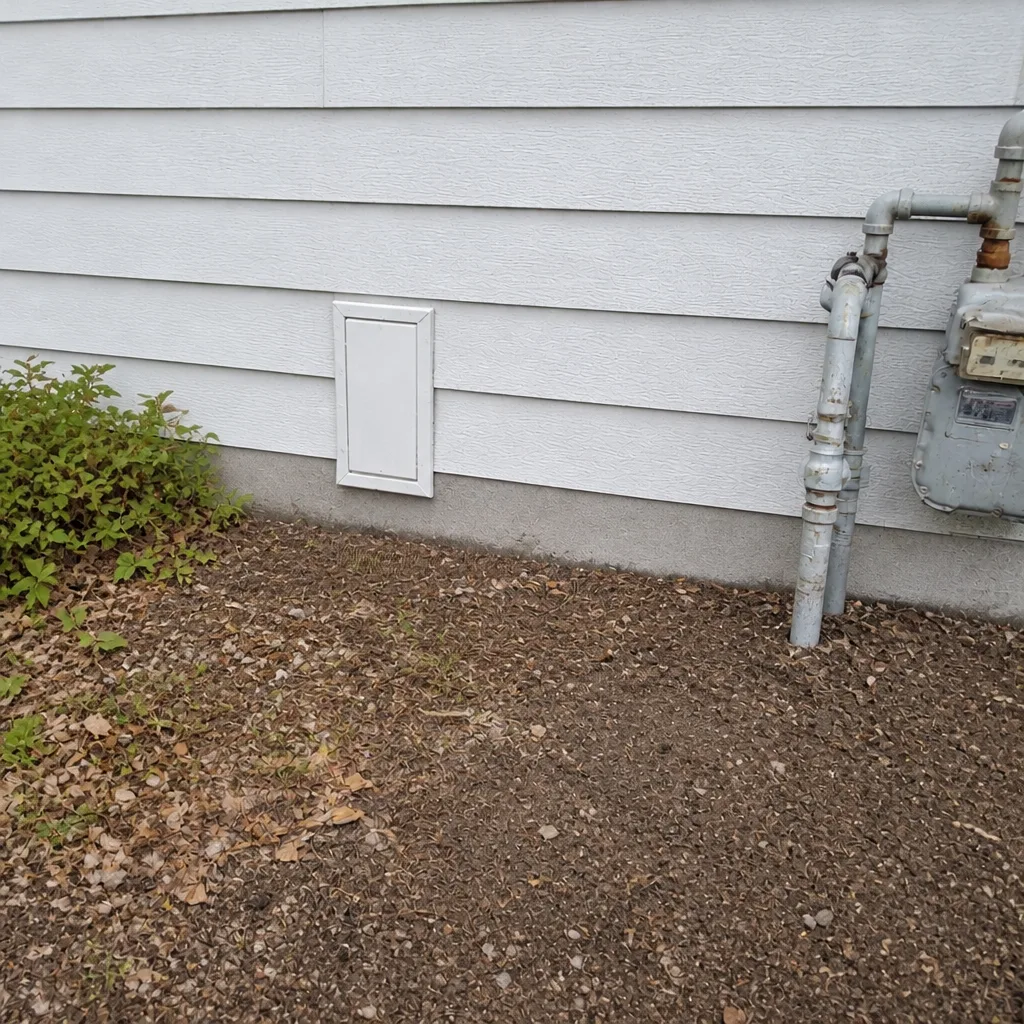
See the difference
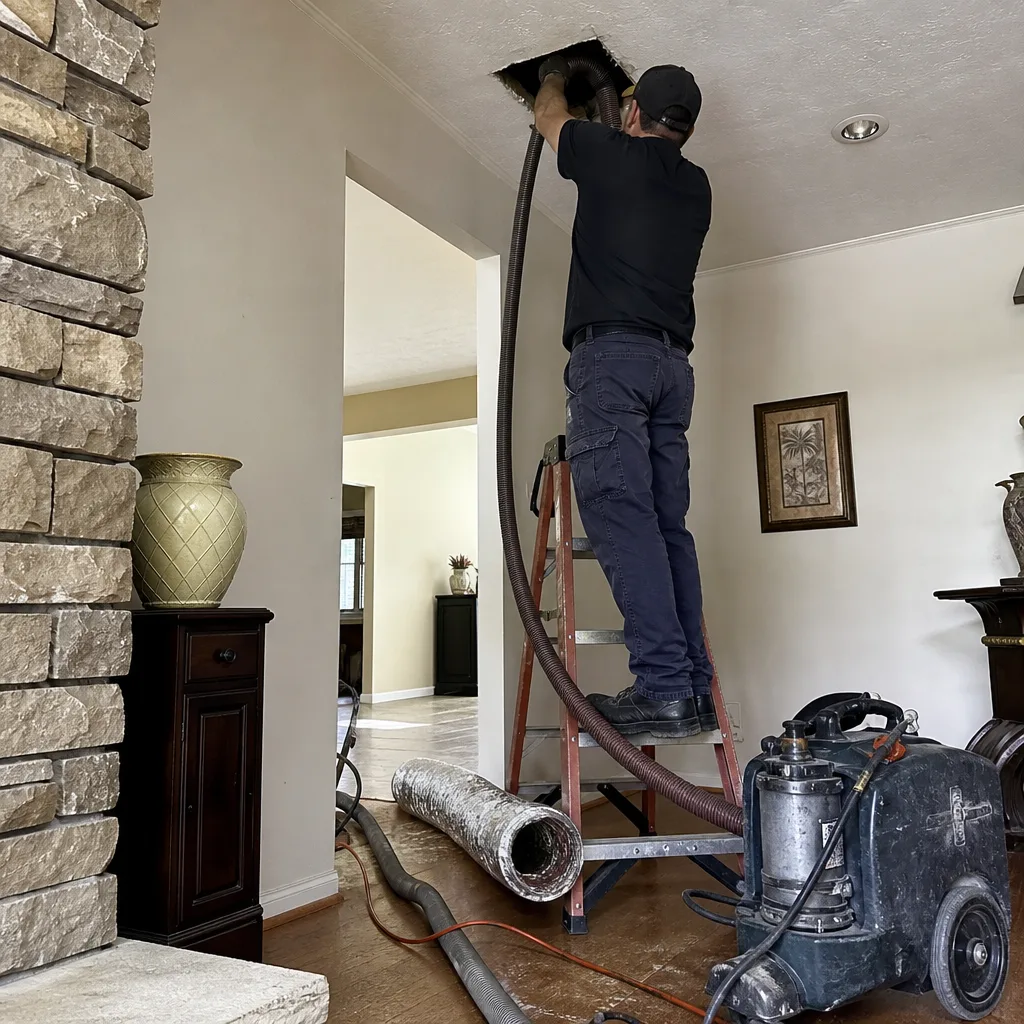 Before
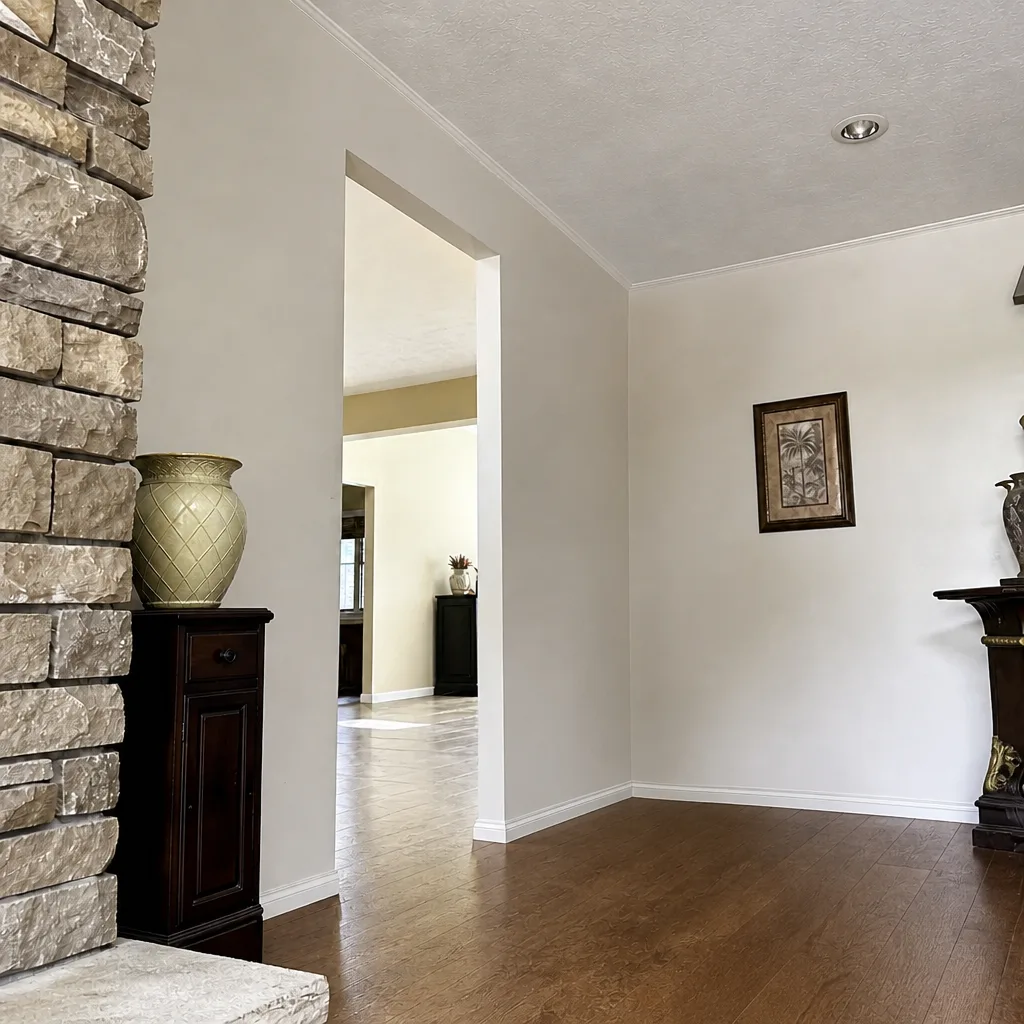 After
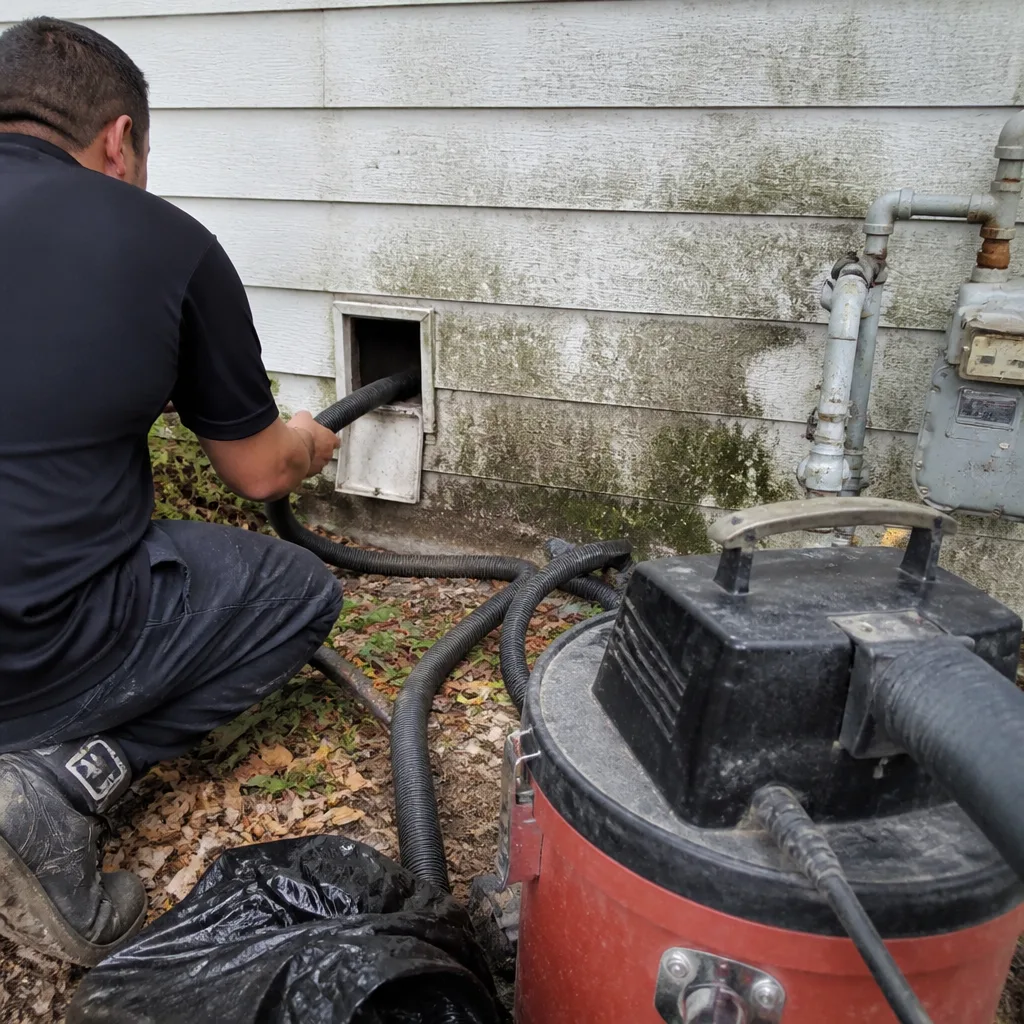 Before
 After
 Before
 After
Common Mistakes to Avoid
- Blaming the air conditioner for a duct problem. A system that runs and cycles normally while one room stays hotter than the rest isn’t undersized – it’s leaking. Check the ductwork before assuming you need a bigger unit.
- Using standard cloth duct tape on joints. It peels off in high attic heat. Duct mastic or foil-backed tape is the only acceptable fix in a Riverview attic.
- Adding airflow to a leaking duct. If you misdiagnose a leak as a blockage and crank the system up, you make the leak worse and pull more attic air into the house.
- Handling a collapsed liner without containment. A disturbed liner releases fiberglass and dust into the airstream. This is a HEPA-vacuum-and-containment job, not a hands-on fix.
- Stepping on ductwork while doing other attic work. Every step on a flex run permanently crushes it and reduces flow to that branch. Plan attic visits around the duct runs.
- Choosing the cheapest duct cleaning quote. A blow-and-go crew leaves the problem in place. Ask what equipment they’re using and whether they provide before-and-after photos. If they can’t answer, walk.
- Ignoring the dryer vent. Lint buildup is a genuine fire-risk factor. It’s easy to overlook because it’s not tied to comfort. Dryer vent cleaning is a standalone safety service and worth doing separately from the main duct system.
Frequently Asked Questions
Air duct repair in Riverview is typically quoted per job rather than per foot of duct, and the estimate is set by what’s actually wrong. A simple joint reconnect and reseal is usually much less expensive than replacing a run or repairing a collapsed liner. We give one clear price for the whole job before work starts, not per-vent pricing, so you know the total up front. Call (866) 293-1514 for a free estimate – a written quote sets the final price.
Not without a visual inspection of the accessible run. Symptoms overlap heavily, so a tissue test narrows down the suspect branch, but a technician still needs to look at the joint and the run to confirm. A disconnected joint is visible; a crushed or collapsed liner often needs the duct opened or scoped. Call (866) 293-1514 for an estimate.
Most often a compromised branch duct – disconnected, crushed, or leaking at a joint – is dumping conditioned air into the attic before it reaches that room. The bedroom over the garage and the far end of a long run are the usual suspects. It’s rarely an undersized air conditioner. Call (866) 293-1514 to book a look.
Air duct cleaning in Riverview is priced per system, not per vent, and prices depend on system size and condition. Be wary of very low teaser prices because they often turn into a much higher invoice once a technician is on site. We give one flat price for the whole system, agreed before work starts, and we provide before-and-after photos of your own ducts. Call (866) 293-1514 for a free estimate.
Ask for photos of the ducts before and after – clear before-and-after images are the simplest way to verify a job was completed properly. Ask for details on the equipment as well: rotary-brush extraction with HEPA filtration is a different process from a blower with a vacuum hose. Call (866) 293-1514 for an estimate.
There’s no single calendar answer. The honest rule is condition-based: if you’ve had recent remodeling, water intrusion, visible dust buildup at registers, or a system showing airflow problems, that’s the trigger, not a fixed number of years. Households with pets or allergy concerns often clean more often. Call (866) 293-1514 for a free estimate and a straight answer.
You can handle small patches and joint reseals when the run is visible and clean. What you can’t safely do at home is disturb a failed liner or a contaminated run without containment, and that’s where a professional job matters. The dryer vent cleaning side is also best done with the right tools, because lint buildup is a fire-risk concern. Call (866) 293-1514 for an estimate.
The Bottom Line
Most air duct problems in Riverview aren’t where homeowners look. The register, the thermostat, and the air handler can all be fine while a disconnected or crushed branch duct quietly dumps conditioned air into a 140°F+ attic. Read your home’s symptoms, run the room-by-room tissue test, and figure out whether you have a leak or a blockage before calling anyone. Small joint repairs are within reach. Anything involving a collapsed liner, moisture, or contamination needs a professional with containment. The right equipment matters as much as the right diagnosis, and that’s where a specialized provider makes the difference.
Call (866) 293-1514 for a free estimate. We answer 24/7. Fast dispatch from 7am to 7pm, Sunday through Friday.
Written by the team at Duct Cleaning Riverview.